Adventure Travel Destinations | BY Rami Rasamny | PUBLISH DATE: January 22 2024 | READ TIME: 5 mins | UPDATED DATE: September 23 2026
When is the Best Time to Hike the Tour du Mont Blanc?
DOWNLOAD YOUR Tour du Mont Blanc Trek GUIDEBOOK
For most hikers, the most practical time to trek the Tour du Mont Blanc is from late June to mid-September. July and August usually offer the broadest combination of open accommodation, transport services and long daylight hours, but they are also the busiest months. Late June and early September can feel quieter, with a greater […]
For most hikers, the most practical time to trek the Tour du Mont Blanc is from late June to mid-September. July and August usually offer the broadest combination of open accommodation, transport services and long daylight hours, but they are also the busiest months. Late June and early September can feel quieter, with a greater chance that snow, shorter service windows or colder weather will affect the plan.
Treat that range as a planning window, not a weather guarantee. Conditions vary around the circuit and from year to year. The Chamonix-Mont-Blanc hiking guidance notes that access to high-altitude routes depends on snow conditions and can remain unsafe into late June. The official Tour du Mont Blanc refuge network publishes property-specific availability, so the workable season for your itinerary depends on every overnight stop and connection you intend to use.
Best Time to Hike the Tour du Mont Blanc at a Glance
- Before late June: not the default window for a standard summer trek. High passes may still hold significant snow, while some refuges and seasonal transport may not yet be operating.
- Late June: potentially quieter, greener and rich in wildflowers, but snowfields and incomplete services can still shape the route.
- July: long days and broad service availability make planning easier. Early July can still carry snow on higher ground, and popular accommodation books quickly.
- August: a popular and logistically straightforward period, with busy trails and refuges. Heat, strong sun, afternoon storms and abrupt mountain-weather changes remain possible.
- Early to mid-September: cooler and often quieter, but with shorter daylight, colder mornings and a growing chance of seasonal services closing.
- Late September onward: a more committing choice. Hut, bus and lift closures can remove normal support, while frost or fresh snow may change the character of the route.
Late June: Quieter Trails, More Uncertainty
Late June can be rewarding if you value flowers, green valleys and a quieter atmosphere. It is also the period when winter may still be visible on the route. Snow can linger on high passes and shaded slopes, so a date that worked easily one year may demand different equipment, a route variation or a delayed start the next. Confirm current conditions rather than assuming that the calendar alone makes the circuit ready.
July and August: The Easiest Months Logistically
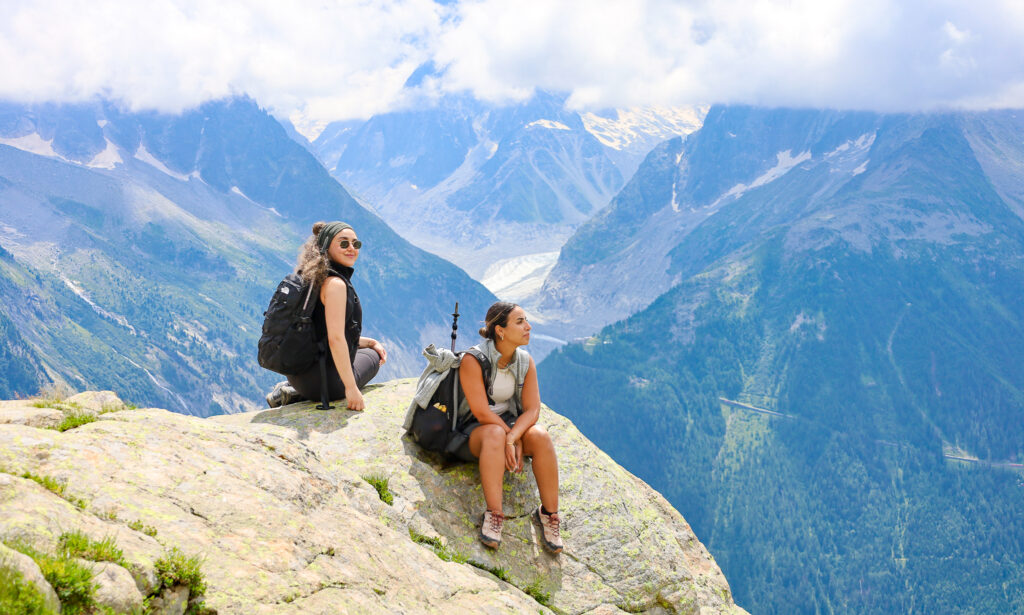
July and August are the simplest months for many first-time TMB hikers because the seasonal network is generally at its fullest. Longer daylight gives more margin on the trail, and the circuit has an energetic international atmosphere. The trade-off is demand: refuges and popular hotels can fill early, trails are busier, and hot or stormy days still require conservative timing and good judgement. Choose these months for logistical breadth, not because mountain weather becomes predictable.
September: Cooler, Quieter and Less Forgiving
Early September can provide an excellent balance for experienced hikers who are comfortable with colder starts and shorter days. Crowds often ease, but there is less margin if weather slows you down. Later in the month, accommodation and transport options narrow and the chance of frost or fresh snow increases. Check the closing date of every service in your itinerary rather than relying on a general statement that the TMB season runs through September.
What to Check Before You Commit to Dates
- Trail and snow conditions: look for recent local guidance on the high passes and any variants you plan to use.
- Every overnight stop: confirm opening dates and availability for the exact refuges, hotels or campsites in your route.
- Seasonal transport: check buses, lifts and transfers for your dates, especially in late June and September. Our Tour du Mont Blanc transport guide explains how those connections fit together.
- Weather and daylight: use a mountain forecast close to departure, start early when appropriate and preserve time for a slower-than-planned stage.
- A realistic fallback: know where you can shorten, reroute or stop if conditions make the planned stage unsafe.
Operational guidance checked 17 August 2026. Hut dates, transport timetables and trail conditions change by season and provider; verify the official sources again before travel.
Which TMB Month Fits Your Priorities?
Choose July or August if you want the widest service network and do not mind a sociable, busy trail. Consider late June if flowers and quieter paths matter more than certainty, and you can adapt to remaining snow. Consider early September if you prefer cooler conditions and fewer people, and you accept shorter days and a narrower operational window. Your fitness and pacing matter too: compare the options in our Tour du Mont Blanc duration guide before deciding that a particular month gives you enough margin.
How the Life Happens Outdoors Itinerary Fits
The live Life Happens Outdoors Tour du Mont Blanc itinerary remains the source for current departure dates, stages, inclusions and availability. This article is the seasonal decision guide; it does not replace the trip page or promise that a particular departure will use every part of the classic circuit.
Complete Your Tour du Mont Blanc Planning
Once you have a likely month, use the Tour du Mont Blanc Planning Guide to compare route and support choices. Then confirm your overnight strategy in the accommodation guide and prepare for the season with the Tour du Mont Blanc gear list.
Expert review
Alps trekking review
Review scope: Route, itinerary, terrain, stages, preparation, equipment and practical Alps trekking guidance.
Reviewed and approved: 23 August 2026
Reviewer
Lucía Guichot Martín
AMM Trekking Guide and IFMGA Mountain Guide
Lucía is a Spanish AMM trekking guide and IFMGA–IVBV–UIAGM mountain guide who guides LHO programmes and reviews its Alps trekking content.
CONTINUE YOUR RESEARCH







ABOUT THE AUTHOR

Rami Rasamny
Rami Rasamny is the founder of Life Happens Outdoors, a premium adventure travel company that uses the outdoors as a catalyst for human transformation. His work brings people into the mountains not only for challenge, but for clarity, confidence, and connection. He believes that when people answer the call to adventure truthfully, they come back different.