Adventure Travel Destinations | BY Rami Rasamny | PUBLISH DATE: March 31 2025 | READ TIME: 12 mins | UPDATED DATE: September 17 2026
Tour du Mont Blanc Planning Guide: Route, Difficulty, Costs and What to Expect

DOWNLOAD YOUR Tour du Mont Blanc Trek GUIDEBOOK
The Tour du Mont Blanc is one of the great multi-day treks of the Alps: a journey around the Mont Blanc massif through France, Italy and Switzerland. It brings together high mountain passes, glacial valleys, refuges, village hotels and three distinct Alpine cultures in one continuous experience. It is also a trek with a lot […]
The Tour du Mont Blanc is one of the great multi-day treks of the Alps: a journey around the Mont Blanc massif through France, Italy and Switzerland. It brings together high mountain passes, glacial valleys, refuges, village hotels and three distinct Alpine cultures in one continuous experience.
It is also a trek with a lot of moving parts. Before booking anything, you need to decide whether you want to walk the classic circuit or a curated selection of stages, how many days you have, whether you prefer to travel independently or with support, and how much comfort you want along the way.
This guide gives first-time trekkers the full planning picture. Where a decision needs more depth, it points you to the dedicated Life Happens Outdoors guide rather than trying to squeeze every answer into one page.
Tour du Mont Blanc quick facts
- Location: The Mont Blanc massif across France, Italy and Switzerland
- Classic route: More than 170 kilometres, depending on variants and start point
- Typical duration: Roughly seven to ten walking days for the classic route, with shorter and longer itineraries available
- Terrain: Mountain paths, forest trails, rocky ascents, long descents, open passes and valley sections
- Technical level: A walking route rather than a mountaineering climb, but still a serious multi-day mountain journey
- Accommodation: Refuges, guesthouses, hotels, camping or a combination
- Main season: Generally summer into early autumn, subject to snow, weather, refuge and transport conditions
- Support options: Self-guided, guided, luggage-supported or fully organised
The numbers only tell part of the story. Two people can both say they have “done the TMB” while following different variants, using different transfers and spending a very different number of days on the trail. Be clear about the experience you want before comparing itineraries.
The classic circuit, a shortened route or curated highlights?
The classic Tour du Mont Blanc is a full circuit around the massif. Walking every traditional stage gives you a strong sense of continuity, but it also requires more time and includes sections that some trekkers find less rewarding than the major passes and balcony trails.
A shorter itinerary may use local transport to bypass road-heavy or lower-valley sections. A curated highlights route can focus on memorable areas such as Lac Blanc, Col du Balme, Champex-Lac, Grand Col Ferret, Val Veny, Col de la Seigne and the Beaufortain. Neither approach is automatically better. The important thing is that the itinerary is honest about what it includes, what it skips and why.
If your time is limited, read our guide to whether the Tour du Mont Blanc can be completed in six days. For the current Life Happens Outdoors stage sequence, distances and transfers, use the live guided Tour du Mont Blanc itinerary as the source of truth.

Guided or self-guided?
A self-guided TMB offers independence. You choose the route, book the accommodation, manage luggage, monitor conditions and decide how to respond if weather, transport or availability changes. It can be a rewarding choice for experienced trekkers who enjoy logistics and feel comfortable making decisions in mountain terrain.
A guided trek removes much of that planning pressure. The itinerary, accommodation, group pace and daily logistics are organised, while a guide monitors conditions and helps the group make sensible decisions. This can be particularly valuable if the TMB is your first hut-to-hut trek, your first multi-day walk in the Alps or your first journey across three countries on foot.
Support sits on a spectrum. Some people only want luggage transfer. Others want a guide but prefer to arrange their own travel. A fully supported trip may include accommodation, meals, transport and preparation help as well as guiding. Compare the complete experience rather than the headline price alone.
The Life Happens Outdoors Tour du Mont Blanc Trek is a curated guided journey. Its page holds the current itinerary, dates, prices, inclusions and booking options.
Where should you start, which direction should you walk and how long do you need?
Because the TMB is a circuit, there is no single compulsory start line. Les Houches and the wider Chamonix Valley are common gateways on the French side, while Courmayeur is a practical option from Italy. Your travel plans, first accommodation and chosen direction all influence the best starting point.
Read the dedicated guide to choosing the best starting point for the Tour du Mont Blanc before booking flights or transfers.
The route can be walked clockwise or anti-clockwise. Anti-clockwise is the more familiar pattern, but clockwise itineraries can change when you meet other groups, how the major climbs are sequenced and how the journey builds. There is no universally correct direction; it depends on your itinerary and priorities. Our clockwise versus anti-clockwise comparison explains the trade-offs.
The same applies to duration. A strong trekker moving lightly has different options from a first-time hiker who wants recovery time and a gentler rhythm. Read how long it takes to trek the Tour du Mont Blanc before treating any advertised number of days as automatically right for you.
How difficult is the Tour du Mont Blanc?
The TMB is not a technical climb. You do not normally need ropes, crampons or mountaineering experience on the standard summer trail. That does not make it easy.
The difficulty comes from repeated ascent and descent, consecutive days on your feet, uneven ground and changing Alpine conditions. Long descents can be as tiring as the climbs, especially for knees and tired legs. Heat, rain, wind or lingering snow can turn a manageable day into a much harder one.
You should be comfortable walking for several hours, climbing steadily and descending on rough paths while carrying a daypack. Previous multi-day trekking experience helps, but good preparation and honest pacing matter more than bravado.
Use How Difficult Is the Tour du Mont Blanc? for the complete readiness assessment. If you want to understand the difference between overall difficulty and one particularly demanding stage, read What Is the Hardest Stage of the Tour du Mont Blanc?.

How should you train?
The best preparation is consistent walking. Build towards longer days with ascent and descent, then practise doing useful work again when your legs are not completely fresh. That back-to-back effort is one of the defining demands of a multi-day trek.
A sensible programme normally combines:
- regular hill walking;
- aerobic work such as cycling, running or stair climbing;
- leg and core strength;
- downhill practice;
- time on uneven terrain; and
- gradual use of the footwear, poles and daypack you plan to take.
Training should make the journey more enjoyable, not simply make it possible to survive each day. Our Tour du Mont Blanc training plan gives you a more structured route from your current fitness to trail readiness.
When is the best time to go?
The normal trekking window runs through the Alpine summer into early autumn, but calendar dates do not guarantee trail conditions. Snow can linger on high passes early in the season. Heat and thunderstorms can affect exposed days in midsummer. Refuges and transport services begin to close as the season ends.
July and August bring long days and a lively atmosphere, but also greater demand for accommodation. June and September can feel quieter, while asking more of your planning because snow, weather and service availability may be less predictable.
Use the dedicated guide to the best time to hike the Tour du Mont Blanc for the full seasonal comparison. Close to departure, check current mountain conditions, forecasts, refuge information and transport status rather than relying on an evergreen article alone.

Where will you sleep, eat and recover?
Accommodation changes the character of the trek.
Refuges keep you immersed in the mountains and bring a sociable end to the day. Facilities range from simple dormitories to smaller rooms, and the experience depends on the hut.
Hotels and guesthouses offer more privacy and recovery in the valleys. They may also make luggage transfer easier because they are accessible by road.
Camping creates more independence but adds weight, logistics and local rules that must be checked for each country and protected area.
A mixed itinerary can give you the atmosphere of mountain huts without asking you to give up a good shower and a comfortable bed every night. Our guide to accommodation on the Tour du Mont Blanc explains the options in more depth.
Book early. The TMB is popular, and the most useful accommodation can fill well before the walking season begins. The official Association of Tour du Mont Blanc Refuges and Gîtes provides current refuge information and booking availability.
Food is part of the experience, but it is also part of your daily plan. Many refuges provide dinner and breakfast, with packed lunches available by arrangement. Villages offer cafés, bakeries and small shops, but they are not evenly spaced. If you have allergies or dietary requirements, communicate them before arrival rather than assuming every remote refuge can adapt at short notice.
Carry enough water for the stage in front of you. Availability changes by route and season, and not every natural source should be treated as safe without reliable local information or appropriate treatment.
Plan for toilet stops as carefully as food and water. Most refuges and restaurants have facilities, but long sections of trail do not. Carry what you need, follow local guidance and Leave No Trace principles, and consider watercourses and other trail users when managing waste in the outdoors.
Should you carry everything or use luggage transfers?
Carrying your own kit gives you independence and keeps the journey simple in one sense: everything travels with you. It also increases the effort on every climb and descent.
Luggage transfer allows you to walk with a lighter daypack, but not every high refuge is accessible by road. On those nights, you may still need to carry an overnight layer, toiletries, hut liner and other essentials. Check the exact transfer pattern rather than assuming your main bag will appear at every stop.
Whatever support you choose, your daypack should still contain water, food, waterproofs, insulation, sun protection, navigation, personal medication and the essentials needed if the day takes longer than planned.

What gear, footwear and navigation do you need?
Pack for changing mountain conditions, not for the weather you see from the valley at breakfast. A simple layering system, reliable waterproofs and protection from sun and cold matter more than carrying a wardrobe.
The exact list depends on your accommodation and luggage plan. Use the Tour du Mont Blanc gear list to build your kit, then check the best footwear for the Tour du Mont Blanc before committing to boots or trail shoes. Whatever you choose, test it on long walks before the trip.
The TMB is well known and often well marked, but signs are not a substitute for preparation. Carry an offline route, sufficient battery and a backup appropriate to your level of independence. Fog, snow and fatigue can make an obvious path much less obvious. Self-guided trekkers should understand their map and navigation tools before reaching the first pass.
If you are travelling without a group, read Is the Tour du Mont Blanc Safe for Solo Hikers? as a separate decision rather than assuming a popular trail is risk-free.
How much does the Tour du Mont Blanc cost?
There is no single TMB price. Your total depends on duration, accommodation, food, baggage transfer, local transport, airport transfers, insurance, equipment and the amount of guiding or planning support you choose.
A self-guided plan may have a lower package price but requires you to assemble and manage every component. A guided trip costs more upfront because it can combine route planning, accommodation, logistics, leadership and support. Compare like with like: a cheap headline can look very different after meals, transfers and accommodation upgrades are added.
Our guide to all-inclusive versus guide-only Tour du Mont Blanc costs helps you compare booking models. For current Life Happens Outdoors prices and inclusions, always use the live Tour du Mont Blanc Trek page rather than an editorial article.
What are the highlights of the route?
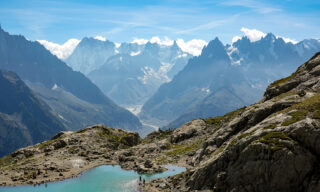
The Tour du Mont Blanc is memorable because the landscape keeps changing. The French side brings the Chamonix Valley, the Aiguilles Rouges and classic views across to the Mont Blanc massif. Switzerland feels quieter and greener, with pastures, forests and villages creating a different rhythm. Italy opens into the dramatic southern side of the massif, where Val Ferret, Courmayeur and Val Veny give the journey another distinct character.
High passes create the transitions between those worlds. Lac Blanc, Col du Balme, Grand Col Ferret, Col de la Seigne and the Beaufortain are among the places many trekkers remember, but the “best” section depends on whether you value high views, village culture, solitude or the feeling of completing a continuous circuit.
Explore the must-see sectors of the Tour du Mont Blanc before choosing a shortened itinerary.

Is the Tour du Mont Blanc the right Alpine journey for you?
Choose the TMB if you want a demanding but non-technical multi-day trek, enjoy moving through different landscapes and cultures, and are comfortable sharing the trail and accommodation with an international walking community.
If you want a quieter point-to-point journey with a different character, compare the Walker’s Haute Route with the Tour du Mont Blanc. If you are deciding between trekking around the massif and attempting its summit, start with Tour du Mont Blanc versus the Mont Blanc summit. They are completely different objectives.
For a wider view of the region, use our Hiking in the Alps guide to compare the TMB with other Alpine journeys.
The right TMB plan is not the one with the most kilometres or the fewest days. It is the one that matches your fitness, available time, appetite for logistics and preferred level of support. Once those decisions are clear, the route becomes much easier to shape.
If you want a guided, curated journey with the major logistics handled for you, explore the current Life Happens Outdoors Tour du Mont Blanc Trek for its itinerary, dates, inclusions and next steps.
Expert review
Alps trekking review
Review scope: Route, itinerary, terrain, stages, preparation, equipment and practical Alps trekking guidance.
Reviewed and approved: 23 August 2026
Reviewer
Lucía Guichot Martín
AMM Trekking Guide and IFMGA Mountain Guide
Lucía is a Spanish AMM trekking guide and IFMGA–IVBV–UIAGM mountain guide who guides LHO programmes and reviews its Alps trekking content.
CONTINUE YOUR RESEARCH







ABOUT THE AUTHOR

Rami Rasamny
Rami Rasamny is the founder of Life Happens Outdoors, a premium adventure travel company that uses the outdoors as a catalyst for human transformation. His work brings people into the mountains not only for challenge, but for clarity, confidence, and connection. He believes that when people answer the call to adventure truthfully, they come back different.