Adventure Travel Destinations | BY Rami Rasamny | PUBLISH DATE: August 02 2025 | READ TIME: 5 mins | UPDATED DATE: September 23 2026
What I Wish I Knew Before Trekking in Nepal
DOWNLOAD YOUR Everest Base Camp Trek GUIDEBOOK
No matter how much you research, Nepal has a way of humbling even the most prepared trekkers. Between the spiritual energy of the Himalayas and the raw physicality of the trails, it’s a place that transforms but also tests you. Looking back, there are a few things I wish someone had told me before I […]
No matter how much you research, Nepal has a way of humbling even the most prepared trekkers. Between the spiritual energy of the Himalayas and the raw physicality of the trails, it’s a place that transforms but also tests you. Looking back, there are a few things I wish someone had told me before I zipped up my duffel and headed for the hills. If you’re planning your first (or even fifth) Himalayan trek, here are a few things worth knowing before you go.
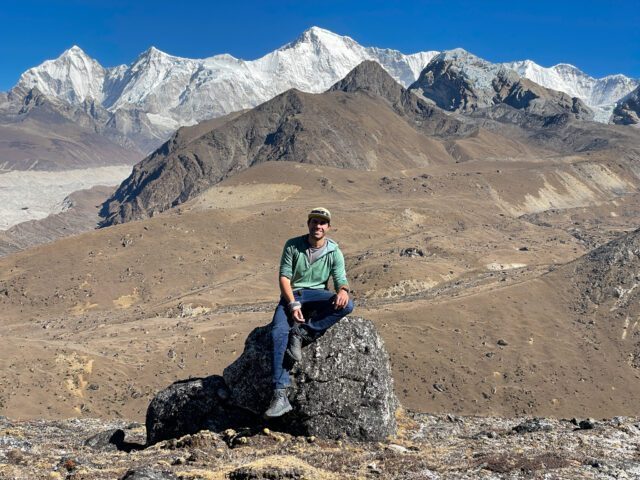
1. “Nepali flat” is anything but flat
Ask a local how the trail is and they’ll say, “It’s flat.” What they really mean is a little up, a little down. What that really means is a few hundred meters of vertical gain and loss. It’s charming until you’ve been walking for five hours on what you thought was going to be a rest day. Embrace the rhythm, pack light, and don’t trust the word “flat.”
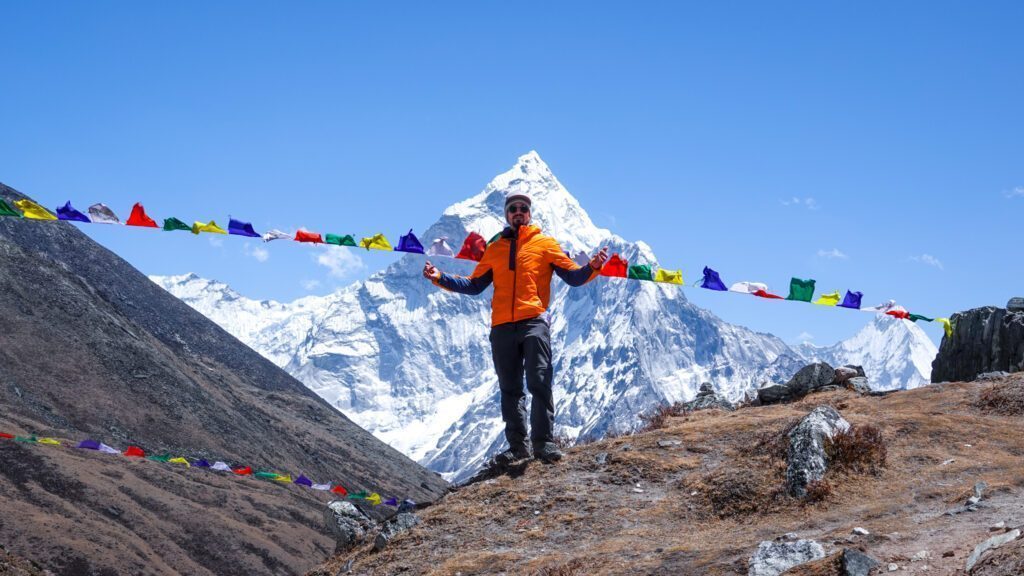
2. Kathmandu dust is no joke
Kathmandu is chaotic, colourful and coated in a fine layer of dust. If you’re exploring on foot before your trek, wear a mask. The last thing you want is to start your adventure with a sore throat or sinus infection. It’s a simple fix that can save your whole trip.
3. The Everest region is iconic but it’s not everything
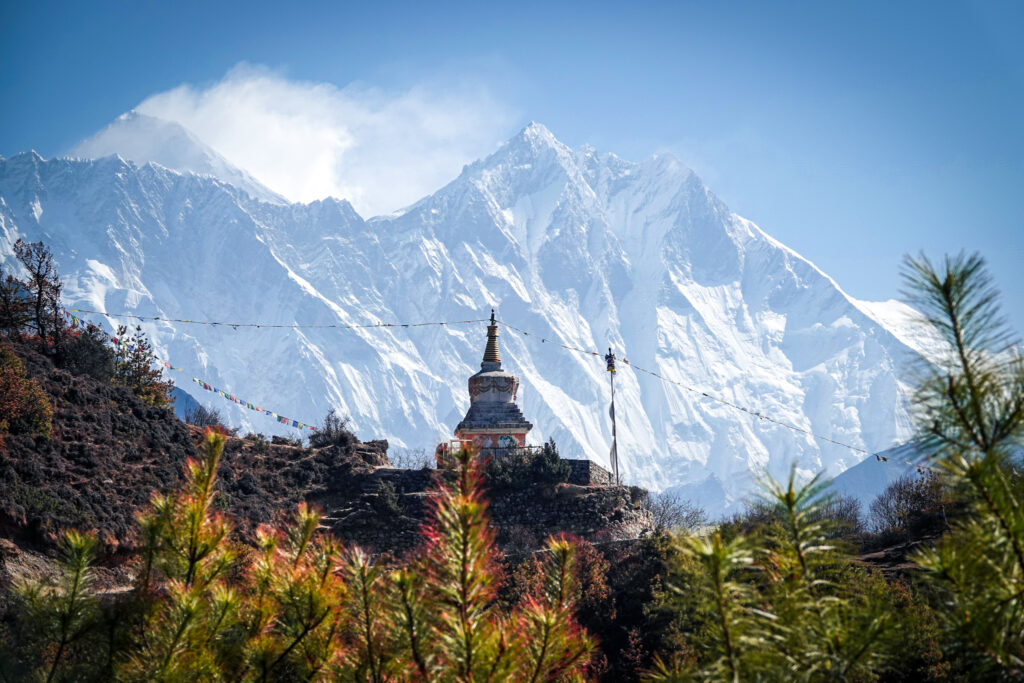
There’s no denying the magic of Everest Base Camp. But Nepal has more to offer than just one trail. The serene lakes of Gokyo, the quiet beauty of Langtang, the rich culture of the Annapurna region each offers its own kind of wonder. If you’ve only heard of Everest, dig a little deeper. You might find something even better.
4. Yaks have right of way and opinions
Here’s the rule: always stay on the mountain side when yaks or donkeys pass. It’s not just about etiquette. A gentle nudge from a pack animal can send you tumbling. And never raise your trekking poles at them they see it as aggression and trust us, you don’t want to start a standoff with a yak.
5. Treat your drinking water properly
Do not drink untreated tap or stream water. Use water from an unopened, factory-sealed bottle or water that has been reliably boiled, filtered and disinfected. Use treated water for drinking and brushing your teeth, and follow your guide’s water protocol on the trail.
Properly treated water is a legitimate alternative to bottled water; filtration may need to be combined with disinfection depending on the system. CDC food and water precautions, CDC water-treatment guidance.
6. Thamel is just the beginning
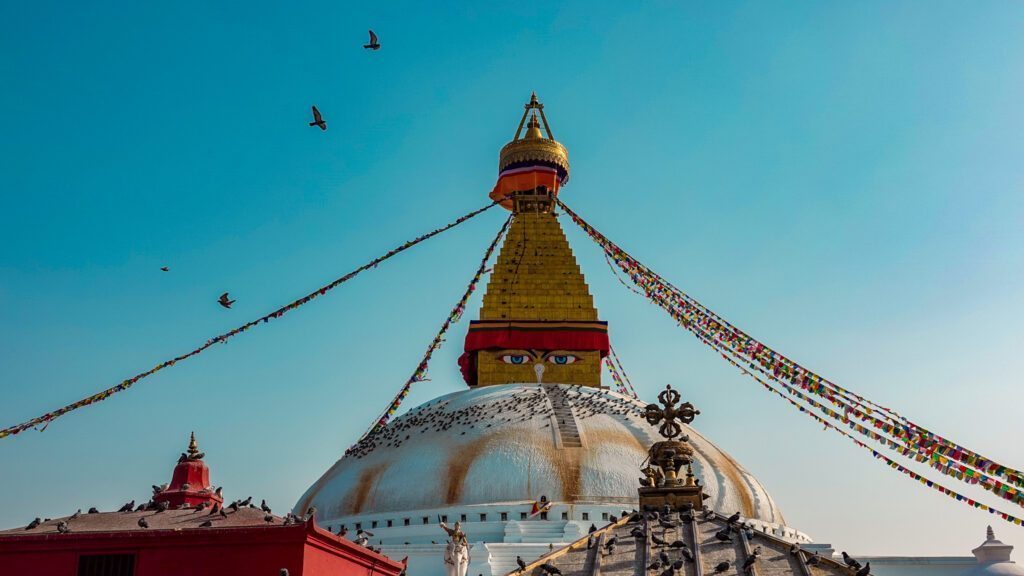
Too many people breeze through Kathmandu like it’s just a layover. But if you give it time, the city reveals a deeper soul. Wander the courtyards of Patan, get lost in the alleys of Bhaktapur, or sit in quiet reflection at Boudhanath. Nepal’s culture is just as moving as its mountains.
7. Altitude can affect anyone
Altitude illness is not a fitness test. It can affect strong, experienced trekkers as well as first-timers. Follow a gradual, well-paced itinerary, allow time to acclimatise and tell your guide immediately about headaches, nausea, dizziness, unusual fatigue or breathlessness. Never continue ascending when symptoms are worsening.
8. Dress smart and avoid the sweat trap
You’ll see it often people hiking uphill in down jackets, sweating through every layer. It’s a recipe for dehydration and temperature swings. Try to keep your body temperature stable. Peel layers off when you’re moving, put them on the second you stop. Stay dry and stay ahead of the chill.
9. Hydration matters, but it is not an altitude cure
Cold, dry air and long walking days make it easy to become dehydrated, so drink steadily throughout the day. Dehydration can cause headaches and fatigue and make altitude symptoms harder to interpret, but it is not the principal cause of acute mountain sickness. Drinking more water cannot compensate for ascending too quickly.
The strongest protections are a gradual ascent, sensible pacing, acclimatisation time and reporting symptoms early. Our altitude sickness prevention guide explains what trekkers can—and cannot—control.
This aligns the article with LHO’s canonical guidance, which correctly states that hydration supports acclimatisation but does not prevent AMS by itself. The CDC similarly treats dehydration as a possible alternative explanation for symptoms and identifies gradual ascent as the primary preventive measure. LHO altitude guidance, CDC high-altitude guidance.
10. Clean clothes clean start
After long days of trekking, it’s tempting to collapse into your sleeping bag the moment you arrive. But take the time to shower (when available) or at least change your clothes. Wet sweaty base layers at night can make you cold fast. A quick rinse and dry set can go a long way for comfort and hygiene on multi day trails.
Final thought? Trekking in Nepal is one of the most rewarding things you’ll ever do. But reward comes from awareness of your body, of your surroundings, and of the culture you’re stepping into. Know the little things ahead of time and you’ll spend less time worrying and more time taking it all in.
Planning a trip to Nepal? Explore our complete Nepal guide covering treks, climbs, and everything you need to know.
This article was reviewed for trekking accuracy by Shiva Raj Bastakoti, a Nepalese Trekking Guide licensed by Nepal’s Department of Tourism (Licence No. 2997).
Expert review
Reviewed by
Dr. Nima Namgyal Sherpa
Mountaineering guide and expedition doctor
Dr. Nima is LHO’s high-altitude and wilderness medicine reviewer. He has reviewed the altitude-related medical and physiological guidance in this article.
CONTINUE YOUR RESEARCH






ABOUT THE AUTHOR

Rami Rasamny
Rami Rasamny is the founder of Life Happens Outdoors, a premium adventure travel company that uses the outdoors as a catalyst for human transformation. His work brings people into the mountains not only for challenge, but for clarity, confidence, and connection. He believes that when people answer the call to adventure truthfully, they come back different.