Trip Planning for Treks & Climbs | BY Rami Rasamny | PUBLISH DATE: August 20 2026 | READ TIME: 11 mins | UPDATED DATE: September 22 2026
Everest Base Camp Trek in October: What to Expect

DOWNLOAD YOUR Everest Base Camp Trek GUIDEBOOK
October is one of the strongest months for an Everest Base Camp trek, with clearer post monsoon skies and generally settled conditions. This guide explains the cold, crowds, trail experience and trade offs first time trekkers should expect.
Yes, October is one of the best times for an Everest Base Camp trek. The monsoon has usually withdrawn, mountain views are often clearer, the trail is generally drier and tea houses are fully open. The trade off is popularity. October can be busy, high villages are cold after sunset and Himalayan weather can still interrupt flights or bring snow. Choose October if clear views and a lively trail matter more to you than solitude.
Is October the Best Time for Everest Base Camp?
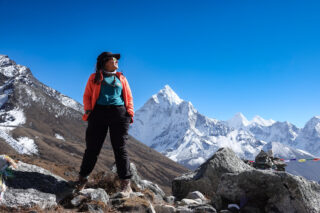
October is a prime Everest Base Camp trekking month because it offers one of the strongest combinations of visibility, manageable daytime conditions and active trail services. Nepal Tourism Board identifies October and November as a main window for the Everest region.
That does not make October perfect. There is no month in the Himalayas that guarantees blue skies, dry paths or an on time flight to Lukla. October simply improves the odds of the classic conditions most first time trekkers hope for.
| Factor | What to expect in October |
|---|---|
| Mountain views | Often clear, especially in the morning |
| Rain | Usually much less frequent after the monsoon, but still possible |
| Snow | Possible at higher elevations, even in a strong trekking month |
| Daytime feel | Comfortable in the sun on lower sections, colder as altitude rises |
| Nights | Cold around Namche and commonly below freezing higher on the route |
| Trail traffic | Busy on the classic route and at popular stops |
| Tea houses | Open, sociable and often full in the most popular villages |
| Lukla travel | Still dependent on weather and airport operations |
If you are comparing October with spring, winter or the monsoon, our guide to the best time to visit Nepal for trekking explains the wider seasonal trade offs.
Everest Base Camp Weather in October
October weather on the EBC route changes with altitude. A sunny afternoon near Lukla can feel mild, while the same day may end with frost and a very cold bedroom higher in the Khumbu.
Broad planning ranges are more useful than one average for the entire trek. Around Namche Bazaar, daytime temperatures can reach the low teens Celsius, while nights can sit close to freezing. Around Dingboche, Lobuche and Gorak Shep, daytime temperatures are often in single figures and nights commonly fall below freezing, sometimes towards minus 10°C.
These are packing ranges, not a forecast. Wind, cloud, fresh snow, the time of day and the exact village can change how cold it feels.
Early October
Early October can still carry some moisture from the retreating monsoon. The lower trail may be greener and occasional cloud or rain can linger. It can also feel slightly warmer than the end of the month.
Middle of October
The middle of October often delivers the balance people associate with peak season: crisp mornings, strong visibility and busy trail life. It is also one of the periods when flights, guides and popular tea houses can be under the most pressure.
Late October
Late October usually feels colder, particularly before sunrise and after dark. Conditions may be clear and dry, but frost becomes more noticeable and upper route nights demand a warm sleeping system.
What Are Trail Conditions Like in October?
The main route is generally well established and drier than it is during the monsoon. You should still expect stone steps, loose rock, dust, suspension bridges, glacier moraine and uneven ground. Moraine is the loose rock and debris carried and left by a glacier. It can make the approach to Gorak Shep and Base Camp feel far less smooth than the lower valley paths. Our Everest Base Camp difficulty guide explains how terrain, repeated walking days and altitude combine across the full journey.

Fresh snow or overnight ice can change a familiar section quickly. Waterproof boots with reliable grip, trekking poles and warm layers belong in an October kit even when the long range forecast looks settled.
Good weather also does not change the altitude. Everest Base Camp sits at 5,364 metres, and fitness does not make anyone immune to altitude illness. A sensible itinerary, gradual ascent and honest communication about symptoms remain essential. Read our guide to altitude sickness on the Everest Base Camp trek for route specific planning. The Himalayan Rescue Association altitude guidance provides the underlying medical safety principles.
How Crowded Is Everest Base Camp in October?
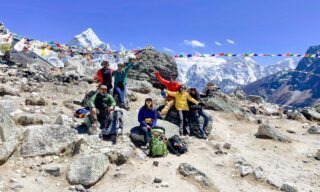
October is one of the busiest periods on the Everest Base Camp trail. Expect other trekking groups on the paths, fuller dining rooms in the evening and pressure on the most popular tea houses. Namche Bazaar, Tengboche, Dingboche, Lobuche and Gorak Shep can feel especially active.
Busy does not mean that every hour feels like a queue. Groups spread out according to departure time and pace. You can still have quiet stretches, particularly early in the day and between the main village stops.
The practical effects matter more than the label “crowded”:
- The best located rooms may be allocated early.
- Meal service can take longer when several groups arrive together.
- Shared dining rooms can be noisy and sociable.
- Charging, showers and internet access can be in greater demand.
- Lukla flights and local teams need earlier planning.
A well organised operator cannot remove the crowds, but it can reduce avoidable friction through advance reservations, clear group timings and realistic aviation plans.
What Does an October Day on the Trail Feel Like?
Most days begin cool and early. You may start in a light insulated layer, warm up during the first climb, then stop to add clothing when the group pauses or cloud moves across the valley. Layering matters because the temperature can change several times in one walking day.
Mornings often offer the clearest mountain views. As the route rises beyond the tree line, the air feels drier, the landscape becomes more open and your pace naturally slows. This is not a sign that you are failing. At altitude, steady movement is more useful than trying to match your speed at home.
Evenings are simple. You arrive at a tea house, change out of damp walking layers, eat in a shared dining room and prepare for an early night. Bedrooms are normally unheated, so a warm sleeping bag and dry sleep clothing matter more than a sunny afternoon might suggest.
The atmosphere is part of October’s appeal. You meet trekkers from around the world, share small milestones and feel the route building towards Base Camp. If you want complete solitude, this is not the month. If you enjoy a shared sense of purpose, the energy can add to the experience.
Who Should Trek to Everest Base Camp in October?
October suits you if you:
- Prioritise clear mountain views and generally settled conditions
- Are comfortable sharing the trail and tea houses with other groups
- Can prepare for cold nights even when days are sunny
- Want the reassurance of fully active trail services
- Can keep some flexibility around Lukla travel
- Are willing to train for consecutive walking days and respect a slow altitude pace
October and November form the core autumn trekking window. November is the natural alternative if you want a quieter feel and can accept colder nights. It is not a lesser season. It is a different balance within the same strong window.
For the colder, quieter side of the autumn window, read our guide to trekking in Nepal in November before choosing your date.
Consider another period if quiet trails are your highest priority, you strongly dislike cold bedrooms or you cannot allow any margin for weather related travel changes. Spring can feel warmer and more colourful, with its own crowd and visibility trade offs. Current LHO dates may offer November rather than October, so check the live calendar before choosing your month.
If you are deciding between Everest Base Camp and another Himalayan objective, compare LHO Nepal trekking and climbing trips before you commit.
How to Prepare for an October EBC Trek
Reserve the important parts early
October is not the month to leave guides, internal travel and popular tea houses to chance. Confirm the full trip structure early, then keep live prices and dates on the operator’s trip page rather than relying on an old article.
Pack for sun and freezing nights
Use a flexible layering system, a warm insulated jacket, waterproof shell, gloves, a warm hat, sun protection and a sleeping bag suited to the expected upper route temperatures. Wear your trekking boots before departure so you know they are comfortable for consecutive days. Use the complete Everest Base Camp packing list to build and check your kit.
Protect acclimatisation time
Clear skies can tempt people to move faster. Your body still needs time. Do not cut acclimatisation days because the weather looks good, and do not ascend with worsening altitude symptoms. Prepare for repeated walking days with our Everest Base Camp training plan, while remembering that fitness cannot replace acclimatisation.
Allow for Himalayan aviation
Flights serving Lukla remain weather dependent in October. Build suitable time around international connections and make sure your insurance covers the altitude, planned activity and emergency evacuation.
For LHO journeys using Lukla, learn how the included Lukla helicopter sector works as part of the travel plan.
LHO’s current guided Everest Base Camp trek is a 16 day journey with two planned acclimatisation days, local Khumbu guides, porter support, tea house accommodation and one included helicopter sector between Kathmandu and Lukla. Check the trip page for the current itinerary, live dates, price and full inclusions.
Plan an Autumn Everest Base Camp Trek
October offers some of the strongest seasonal odds for the mountain views people imagine, but the right trip still depends on pacing, preparation and calm decisions when conditions change.
View current Everest Base Camp departures and book an available autumn trek. You will find the live dates, inclusions and trip structure in one place. The current calendar may offer November rather than October.
If you would like help comparing October and November, speak to an LHO Adventure Specialist about timing and the available alternatives. A short conversation can help you choose the right balance of weather, trail energy and cold.
Frequently Asked Questions
Is October the best month for Everest Base Camp?
October is one of the best months for most first time trekkers because it usually combines clearer views, drier trails and fully open services. November belongs to the same strong autumn window and is often quieter, though colder. March and April are also strong choices. The best month for you depends on whether you value warmth, quieter trails or the clearest possible mountain views.
Does it snow at Everest Base Camp in October?
Yes, snow is possible in October, especially on the higher route. October is generally more settled than the monsoon or winter, but a fresh weather system can still bring snow, ice and colder conditions. Pack and plan for mountain weather rather than the monthly average.
How cold is EBC in October at night?
Around Namche, nights can sit near freezing. At higher overnight stops such as Lobuche and Gorak Shep, temperatures commonly fall below freezing and may approach minus 10°C. Rooms are usually unheated, so a suitable sleeping bag and dry night layers are important.
Are the tea houses full in October?
Popular tea houses can fill during October, particularly in smaller upper villages with limited room choice. Advance coordination reduces uncertainty. Facilities remain simple, and high demand can affect meal times, charging and room allocation.
Is October suitable for a first Everest Base Camp trek?
Yes, October can suit a prepared first time high altitude trekker. Good seasonal conditions help, but the trek is still challenging. You need training for consecutive walking days, a gradual itinerary, suitable cold weather equipment and the confidence to report altitude symptoms early.
Is early or late October better for EBC?
Early October can be a little warmer and greener, with a greater chance of lingering monsoon cloud. Late October can be clearer and drier, but nights are colder. The middle of the month often brings the classic peak season balance and some of the highest demand.
Can Lukla flights be delayed in October?
Yes. October may offer more settled weather, but Lukla flights still depend on visibility, wind and airport operations. Leave suitable margin around international connections and choose insurance that covers the full itinerary and potential disruption.
What Comes Next
October is a prime choice when you want strong seasonal conditions and do not mind a lively trail. November offers another strong autumn option if you would exchange some warmth and trail energy for fewer people.
Your next step is to compare the live departures with your priorities, available leave and comfort with cold. If you would like a personal recommendation, speak with the team before choosing your season or trek.
This article was reviewed for trekking accuracy by Shiva Raj Bastakoti, a Nepalese Trekking Guide licensed by Nepal’s Department of Tourism (Licence No. 2997).
Expert review
Reviewed by
Dr. Nima Namgyal Sherpa
Mountaineering guide and expedition doctor
Dr. Nima is LHO’s high-altitude and wilderness medicine reviewer. He has reviewed the altitude-related medical and physiological guidance in this article.
CONTINUE YOUR RESEARCH






ABOUT THE AUTHOR

Rami Rasamny
Rami Rasamny is the founder of Life Happens Outdoors, a premium adventure travel company that uses the outdoors as a catalyst for human transformation. His work brings people into the mountains not only for challenge, but for clarity, confidence, and connection. He believes that when people answer the call to adventure truthfully, they come back different.