Outdoor Skills & Safety | BY Elie Abi Akar | PUBLISH DATE: February 06 2025 | READ TIME: 4 mins | UPDATED DATE: September 24 2026
Can You Get Altitude Sickness at Annapurna Base Camp?
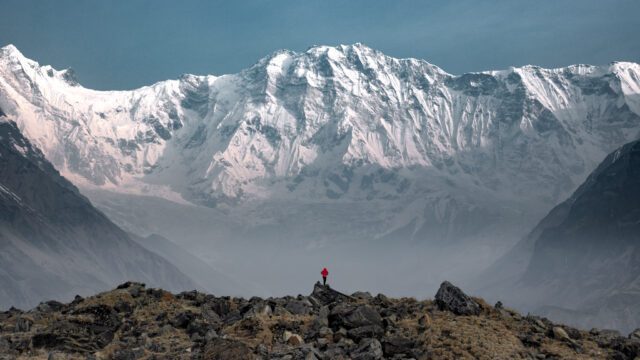
The Annapurna Base Camp (ABC) trek is a dream for many outdoor enthusiasts, offering breathtaking landscapes, diverse terrain, and a glimpse into Nepal’s vibrant culture. But with an elevation of 4,130 meters (13,549 feet), altitude sickness is a real concern. So, can you get altitude sickness at Annapurna Base Camp? The short answer: yes. Here’s […]
The Annapurna Base Camp (ABC) trek is a dream for many outdoor enthusiasts, offering breathtaking landscapes, diverse terrain, and a glimpse into Nepal’s vibrant culture. But with an elevation of 4,130 meters (13,549 feet), altitude sickness is a real concern. So, can you get altitude sickness at Annapurna Base Camp? The short answer: yes. Here’s what you need to know and how to stay safe.
For the wider physical picture, read our Annapurna Base Camp route and difficulty guide, which explains the stairs, consecutive days, ascent, descent and current LHO rating.

Understanding Altitude Sickness
Altitude sickness, or Acute Mountain Sickness (AMS), occurs when your body struggles to adjust to reduced oxygen levels at high altitudes. Symptoms can range from mild to severe and typically begin above 2,500 meters (8,200 feet). Since ABC is well above this threshold, trekkers are at risk if they ascend too quickly.
Symptoms of Altitude Sickness
- Mild AMS: Headache, dizziness, nausea, loss of appetite, fatigue, and difficulty sleeping.
- Moderate AMS: Worsening headaches, vomiting, increased fatigue, and difficulty walking straight.
- Severe AMS: Confusion, inability to walk, fluid buildup in the lungs (High Altitude Pulmonary Edema – HAPE) or brain (High Altitude Cerebral Edema – HACE), both of which can be fatal if untreated.
Factors That Increase Your Risk
1. Rapid Ascent
The biggest mistake trekkers make is climbing too fast. Your body needs time to acclimate to reduced oxygen levels, so a slow and steady ascent is crucial.
2. Dehydration
High altitude increases fluid loss, making hydration essential. Dehydration exacerbates AMS symptoms and can make recovery difficult.
3. Physical Condition
While fitness helps with endurance, it does not prevent AMS. Even seasoned athletes can experience symptoms if they ascend too quickly.
4. Genetic Susceptibility
Some people are simply more prone to altitude sickness than others. If you’ve experienced AMS before, you’re likely to experience it again.
How to Prevent Altitude Sickness at ABC
1. Follow a Sensible Itinerary
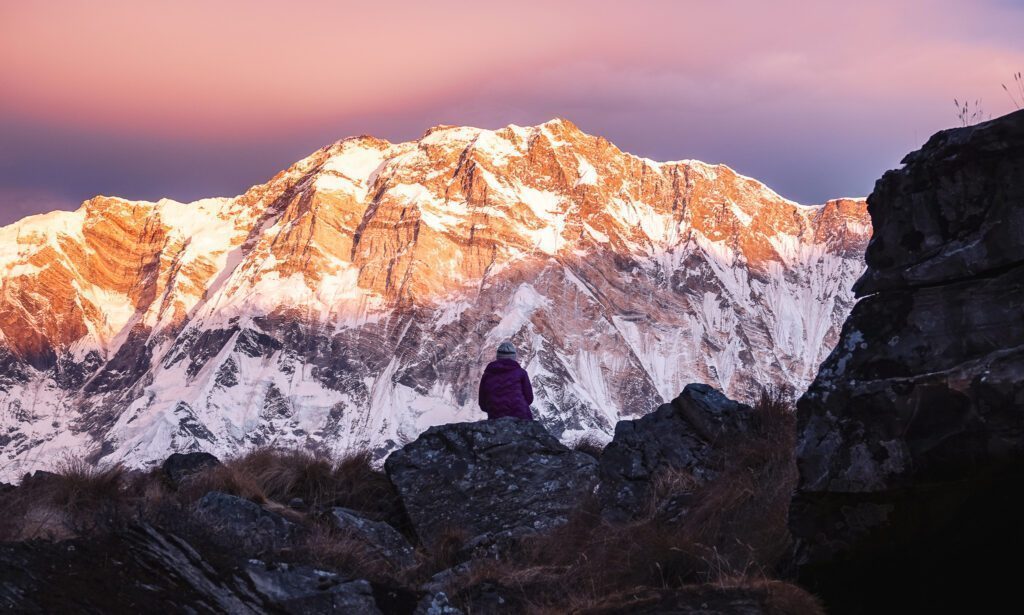
Most ABC trek itineraries include gradual ascents with acclimatization stops. Aim to keep daily altitude gains below 500 meters (1,640 feet) after reaching 3,000 meters (9,840 feet).
2. Stay Hydrated
Drink at least 3–4 liters of water daily. Avoid excessive alcohol and caffeine, as they can contribute to dehydration.
3. Eat Well
Your body needs energy to acclimatize. Opt for high-carb meals, as they’re easier to digest at altitude and help maintain energy levels.
4. Listen to Your Body
If you experience mild AMS symptoms, take a rest day or descend if they worsen. Ignoring symptoms can lead to severe complications.
5. Relax
Getting stressed out while trekking leads to a higher heart rate overall energy consumption, and your body needs all the energy it can get for the acclimatization process.
What to Do if You Get Altitude Sickness
If you start feeling the effects of AMS, the best remedy is to stop ascending and rest. If symptoms persist or worsen, descend immediately. In severe cases, evacuation may be necessary. Guides, Team Leaders, and teahouse owners along the trail are familiar with AMS and can provide assistance if needed.
Final Thoughts
Yes, you can get altitude sickness at Annapurna Base Camp, but with proper preparation and awareness, you can minimize your risk. Trekking to ABC is an incredible adventure. Preparation and precautions help manage the risks, but cannot eliminate them. Remember: the mountain isn’t going anywhere—your health comes first.
Have you experienced AMS on a trek? Share your tips and experiences in the comments below!
Planning a trip to Nepal? Explore our complete Nepal guide covering treks, climbs, and everything you need to know.
This article was reviewed for trekking accuracy by Shiva Raj Bastakoti, a Nepalese Trekking Guide licensed by Nepal’s Department of Tourism (Licence No. 2997).
Expert review
Reviewed by
Dr. Nima Namgyal Sherpa
Mountaineering guide and expedition doctor
Dr. Nima is LHO’s high-altitude and wilderness medicine reviewer. He has reviewed the altitude-related medical and physiological guidance in this article.
CONTINUE YOUR RESEARCH







ABOUT THE AUTHOR

Elie Abi Akar
Elie is the Base Camp Chief at Life Happens Outdoors, orchestrating every adventure from first step to summit. He believes the outdoors offer something essential which is a space to disconnect from routine and reconnect with what truly matters. His mission is simple: to make every journey feel meaningful and unforgettable.