







Adventure Travel Destinations | BY Rami Rasamny | PUBLISH DATE: November 11 2025 | READ TIME: 4 mins | UPDATED DATE: September 18 2026
When is the Best Time to Visit Annapurna Base Camp?
DOWNLOAD YOUR Annapurna Base Camp Trek GUIDEBOOK
Spring (March–May) and autumn (September–November) are the main planning windows for an Annapurna Base Camp trek. For an initial shortlist, compare March–April and October–November departures, then assess May and September against the conditions expected for your dates. No month guarantees clear views, dry trails or uninterrupted access. Few journeys in the world capture the spirit […]
Spring (March–May) and autumn (September–November) are the main planning windows for an Annapurna Base Camp trek. For an initial shortlist, compare March–April and October–November departures, then assess May and September against the conditions expected for your dates. No month guarantees clear views, dry trails or uninterrupted access.
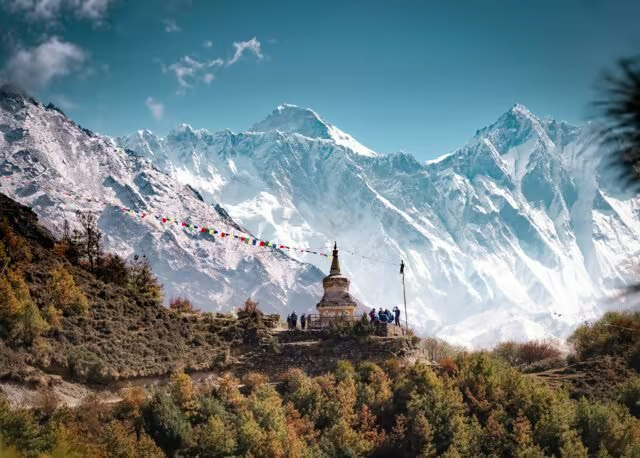
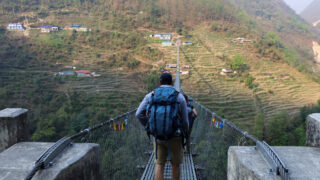
Few journeys in the world capture the spirit of the mountains like the Annapurna Base Camp trek. It winds through terraced hillsides, ancient forests, and high alpine valleys before opening into one of the most extraordinary mountain circles on Earth. To truly experience its beauty, timing is everything.
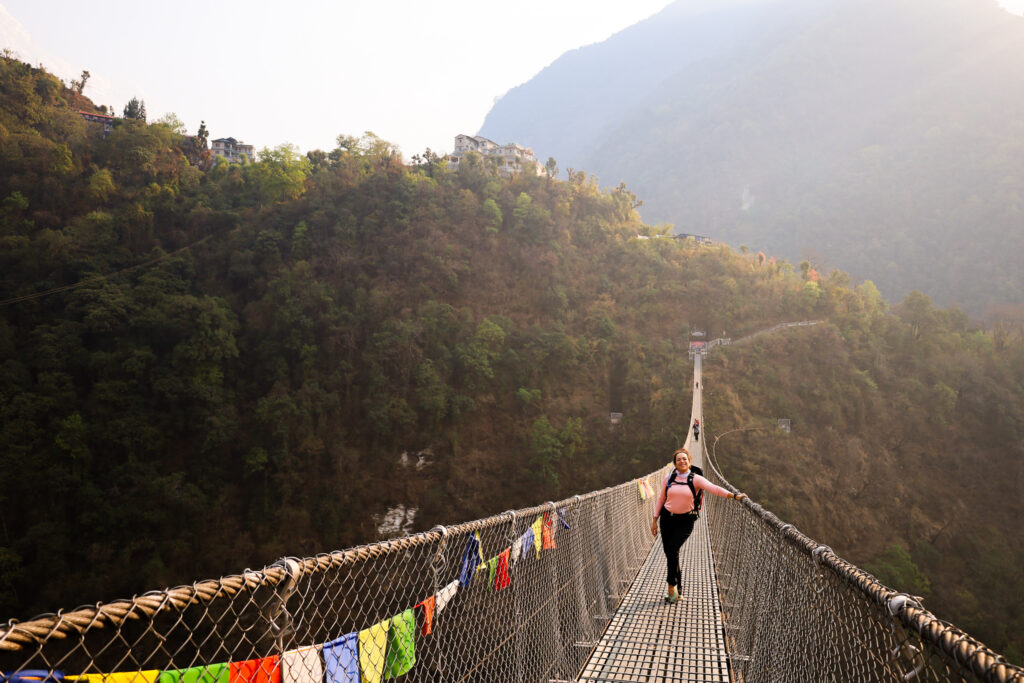
Spring and Autumn: Planning Windows
These are seasonal planning windows, not forecasts. The Nepal Tourism Board’s climate guidance places the monsoon broadly in June–September and highlights October and November for post-monsoon visibility. September therefore overlaps the usual autumn travel window and the possible tail of the rains.
Conditions vary between the lower valleys and high camp, and between day and night. A single temperature range cannot describe the whole trek. Check forecasts for the places and elevations on your itinerary close to departure, alongside your guiding team’s advice.
Spring (March to May)
Spring can bring rhododendron flowers to the forests, but warm, clear weather is not assured throughout the route. The Nepal Tourism Board’s trekking guidance notes that spring can bring rain and snowstorms. March–April and May fall within the same broad season; later spring dates should still be assessed against the conditions expected for your departure.
Why consider it: Forest colour and a spring trekking experience.
Plan for: Changeable weather and colder conditions higher on the route.
Autumn (September to November)
Autumn is a popular trekking season in the Annapurna region. October–November are the main post-monsoon months to consider for mountain visibility. September can still be wet, so it should not be described as reliably dry just because it falls within the autumn travel window. Clear views and firm trails are never guaranteed.
Why consider it: A post-monsoon trek with the possibility of clear mountain views.
Plan for: Rain, cloud and cold conditions when the weather changes.
Other Seasons: What to Expect
Winter (December to February)
Winter can offer clear views, but it also brings colder conditions and shorter days. Snow and ice can affect the upper trail. Before choosing a winter departure, ask your guiding team about current route conditions, accommodation and the planned itinerary; experience alone does not make a date suitable.
Planning priority: Cold-weather preparation and confirmation that the proposed route can operate.
Monsoon (broadly June to September)
Rain can make trails wet or muddy and obscure mountain views. The broad June–September monsoon window can overlap the start of the autumn trekking season, and its timing varies from year to year. Do not choose a monsoon departure only for quieter trails: confirm transport, trail conditions and the operating plan with your team.
Planning priority: Current local advice and flexibility if weather changes the itinerary.
From the LHO Experience
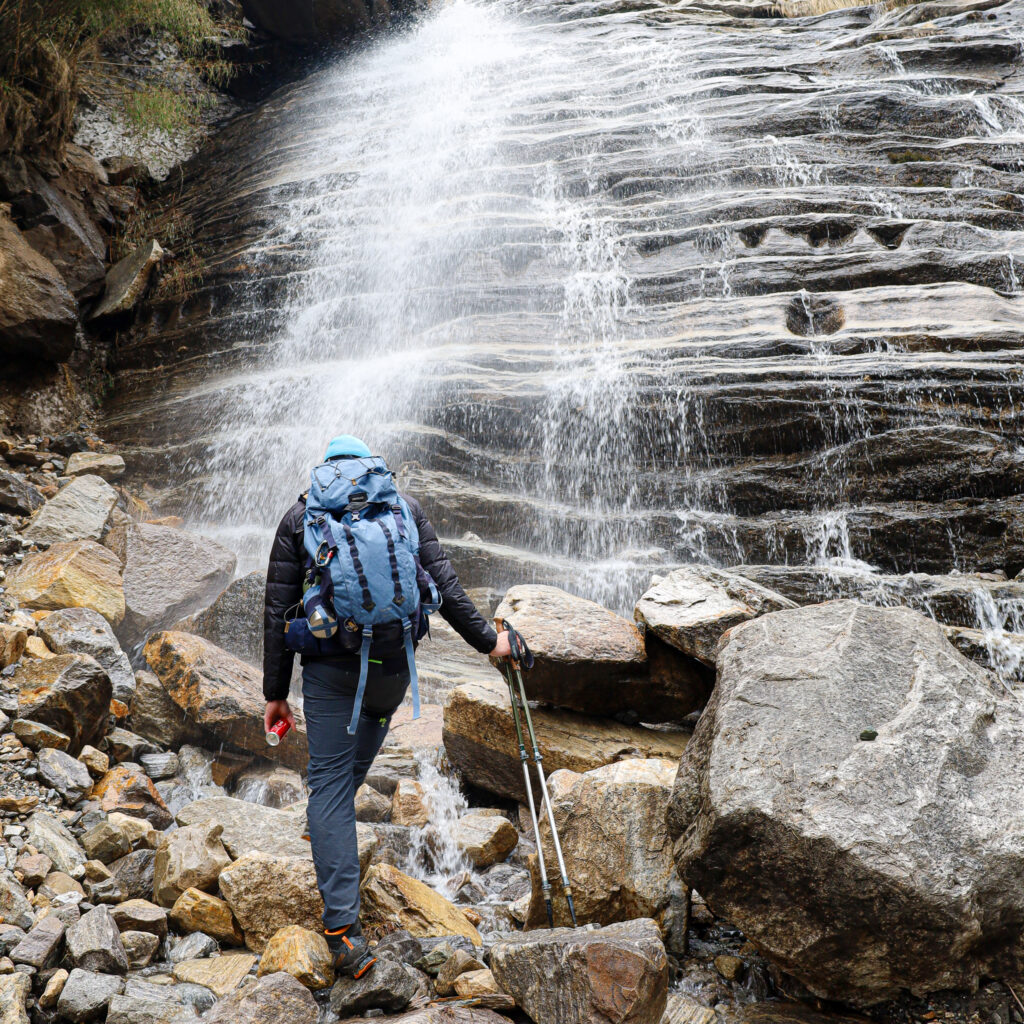
At Life Happens Outdoors, we encourage you to choose your Annapurna Base Camp dates with the season, current conditions and your preparation in mind. Spring or autumn can be a good starting point for planning, but the final itinerary remains dependent on weather and local conditions. For how weather and trail conditions affect the effort, read our Annapurna Base Camp difficulty guide.
Our Annapurna Base Camp trek is designed as an all inclusive, airport to airport experience. It blends the best trails with handpicked lodges, charming towns, and deep cultural encounters. Every moment is crafted so you can focus on the journey itself—the rhythm of your footsteps, the conversations along the trail, and the feeling of standing beneath some of the highest peaks on Earth.
With expert guides, a dedicated team, and our signature focus on transformation through adventure, we invite you to experience the Himalayas the LHO way.
Come for the mountains. Leave with something far greater.
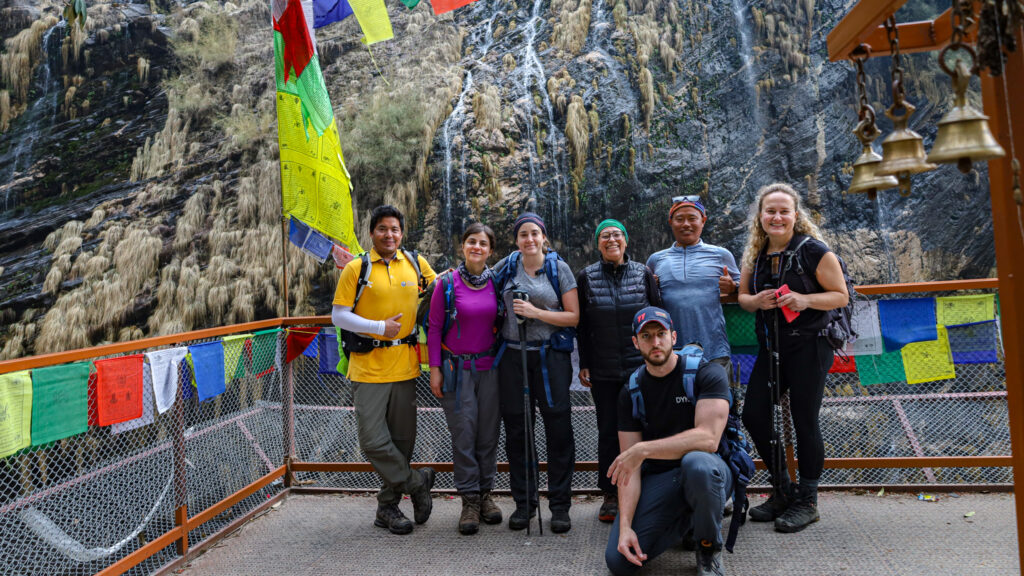
This article was reviewed for trekking accuracy by Shiva Raj Bastakoti, a Nepalese Trekking Guide licensed by Nepal’s Department of Tourism (Licence No. 2997).
CONTINUE YOUR RESEARCH



ABOUT THE AUTHOR

Rami Rasamny
Rami Rasamny is the founder of Life Happens Outdoors, a premium adventure travel company that uses the outdoors as a catalyst for human transformation. His work brings people into the mountains not only for challenge, but for clarity, confidence, and connection. He believes that when people answer the call to adventure truthfully, they come back different.