Mountains & Peaks | BY Elie Abi Akar | PUBLISH DATE: April 03 2025 | READ TIME: 3 mins | UPDATED DATE: August 23 2026
How Does Kilimanjaro Affect the Surrounding Area?

DOWNLOAD YOUR Climb Kilimanjaro GUIDEBOOK
Mount Kilimanjaro, Africa’s tallest mountain, is more than just a breathtaking peak—it is a vital force that shapes the environment, economy, and culture of the surrounding region. Its presence influences everything from weather patterns to local livelihoods, making it an essential part of life in northern Tanzania and beyond. Climate and Weather Patterns Kilimanjaro plays […]
Mount Kilimanjaro, Africa’s tallest mountain, is more than just a breathtaking peak—it is a vital force that shapes the environment, economy, and culture of the surrounding region. Its presence influences everything from weather patterns to local livelihoods, making it an essential part of life in northern Tanzania and beyond.
Climate and Weather Patterns
Kilimanjaro plays a significant role in regulating the local climate. Its immense size affects rainfall distribution, creating a microclimate that supports diverse ecosystems. The southern slopes receive more rainfall due to moisture-laden winds rising and cooling as they meet the mountain. This creates fertile land ideal for agriculture, while the drier northern slopes transition into savannah.
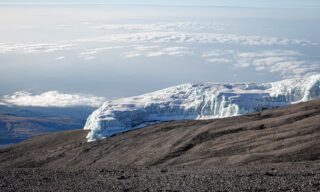
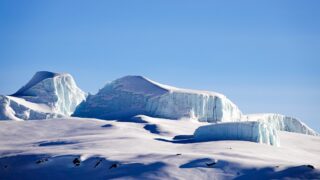
However, climate change is altering this balance. Kilimanjaro’s glaciers, once a defining feature, are retreating at an alarming rate. This loss affects water supply for both human populations and wildlife that depend on glacial melt.
Biodiversity and Ecosystems
Kilimanjaro’s varied elevation supports a range of ecosystems, from dense rainforests at its base to alpine deserts near the summit. These diverse habitats are home to an array of wildlife, including elephants, colobus monkeys, and unique plant species found nowhere else on Earth. The mountain serves as a crucial water catchment area, feeding rivers and streams that sustain both agriculture and wildlife in the region.
Local Communities and Economy
For the Chagga people and other local communities, Kilimanjaro is more than just a natural landmark—it is a source of livelihood. Agriculture thrives on the fertile volcanic soil, with crops like coffee and bananas forming the backbone of the local economy.
Tourism is another major economic driver. Tens of thousands of climbers attempt to reach the summit each year, creating jobs in guiding, portering, hospitality, and conservation efforts. However, the increasing number of visitors also brings challenges, such as environmental degradation and resource management.
Cultural and Spiritual Significance
Kilimanjaro holds deep cultural and spiritual meaning for local communities. For centuries, it has been a place of myths, legends, and reverence. Many indigenous groups consider it sacred, incorporating the mountain into their traditions and beliefs.
Challenges and Conservation Efforts
Despite its importance, Kilimanjaro faces numerous threats, including deforestation, climate change, and overtourism. Conservation initiatives aim to protect its fragile ecosystems through reforestation projects, sustainable tourism practices, and awareness campaigns.
Conclusion
Mount Kilimanjaro is not just a towering peak—it is a lifeline for the surrounding area. Its influence extends across climate, ecosystems, economy, and culture. Preserving this natural wonder is crucial for maintaining the delicate balance that supports both people and wildlife in its shadow.
This article was reviewed for Kilimanjaro accuracy by Emmanuel Matinde Asseno, a Tanzanian mountain guide licensed by Tanzania’s Ministry of Natural Resources and Tourism (Mountain Guiding Licence No. 037979) and a current Board Member of the Kilimanjaro Guides Association.
CONTINUE YOUR RESEARCH




ABOUT THE AUTHOR

Elie Abi Akar
Elie is the Base Camp Chief at Life Happens Outdoors, orchestrating every adventure from first step to summit. He believes the outdoors offer something essential which is a space to disconnect from routine and reconnect with what truly matters. His mission is simple: to make every journey feel meaningful and unforgettable.