Mountains & Peaks | BY Rami Rasamny | PUBLISH DATE: May 02 2024 | READ TIME: 3 mins | UPDATED DATE: August 23 2026
Exploring Kilimanjaro: Fascinating Facts About Africa’s Tallest Peak

DOWNLOAD YOUR Climb Kilimanjaro GUIDEBOOK
Kilimanjaro, the majestic rooftop of Africa, captivates the imagination of adventurers with its towering peaks, diverse ecosystems, and rich cultural heritage. As one of the world’s most iconic mountains, Kilimanjaro offers a multitude of intriguing facts and features that make it a must-visit destination for trekking enthusiasts. Let’s delve into some fascinating insights about this […]
Kilimanjaro, the majestic rooftop of Africa, captivates the imagination of adventurers with its towering peaks, diverse ecosystems, and rich cultural heritage. As one of the world’s most iconic mountains, Kilimanjaro offers a multitude of intriguing facts and features that make it a must-visit destination for trekking enthusiasts. Let’s delve into some fascinating insights about this legendary mountain:
1. Elevation Gain
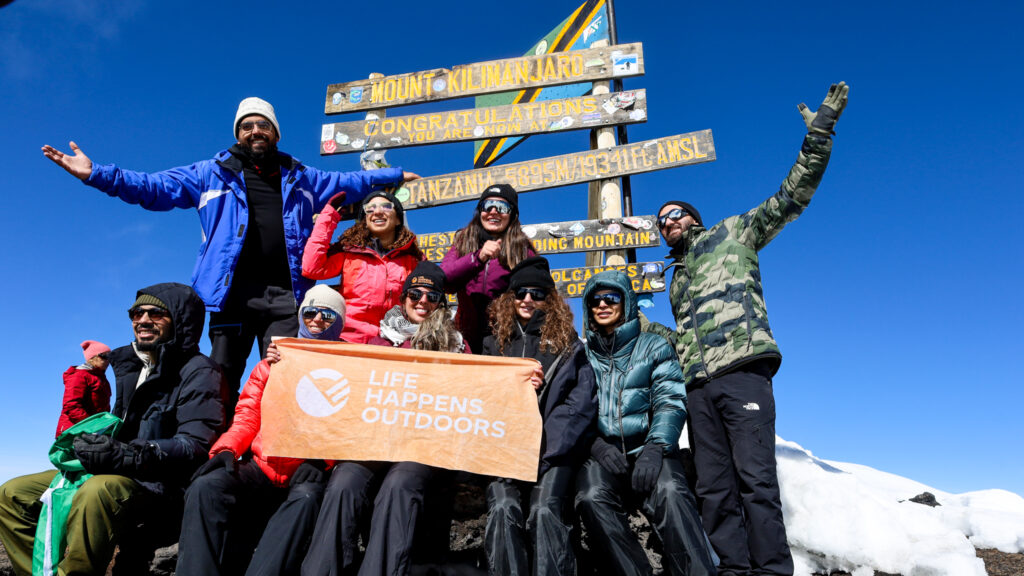
Rising majestically to an elevation of 5,895 meters (19,341 feet) above sea level, Kilimanjaro boasts an impressive vertical gain from its base to its summit. Climbers undertaking the trek can expect to ascend approximately 4,900 meters (16,000 feet) from the lush foothills to the snow-capped peak.
2. Environments and Ecological Zones
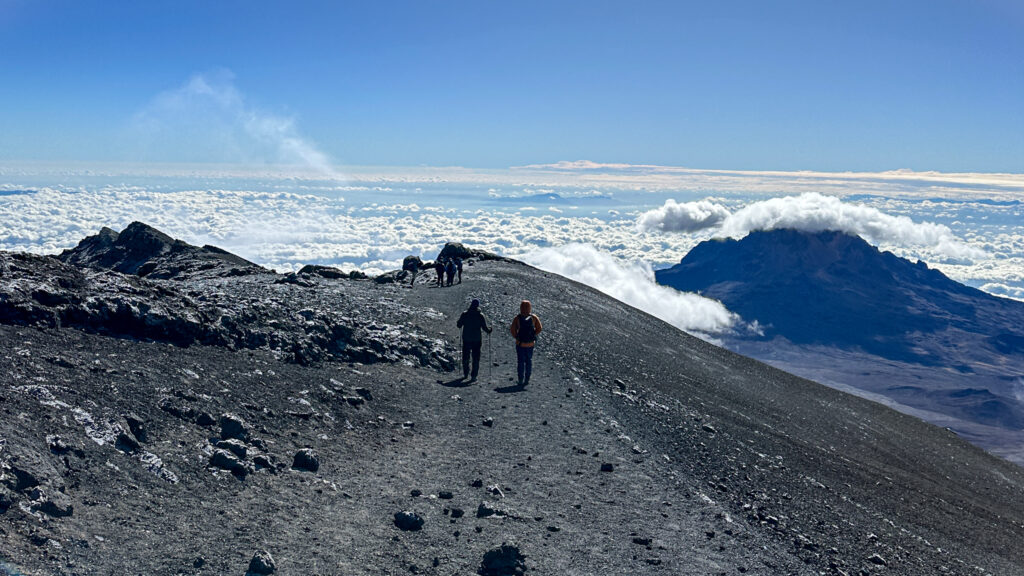
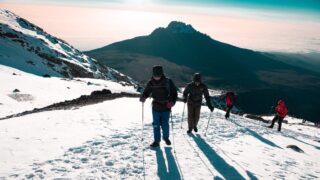
Kilimanjaro’s ascent traverses through five distinct ecological zones, each characterized by its unique climate, vegetation, and wildlife. These zones include the lush rainforest, moorland, alpine desert, alpine meadow, and arctic summit.
3. Indigenous People
The Chaga tribe, also known as the Chagga or Chaggga, are the native inhabitants of the Kilimanjaro region. With a rich cultural heritage deeply intertwined with the mountain, the Chaga people have traditionally practiced agriculture and trade, thriving in the fertile lands surrounding Kilimanjaro’s slopes.

4. Temperature Fluctuation
One of the most remarkable features of Kilimanjaro is its dramatic temperature fluctuation throughout the trekking experience. Climbers may encounter balmy tropical conditions in the lower foothills, with temperatures averaging around 25°C (77°F), before facing freezing temperatures and bitter cold winds near the summit.
5. Average Distance Trekking Per Day
The average distance trekked per day on Kilimanjaro varies depending on the chosen route and itinerary. Most climbers cover approximately 10-15 kilometers (6-9 miles) per day, with longer distances covered on summit day to reach Uhuru Peak.
6. Average Elevation Gain Per Day
The average elevation gain per day on Kilimanjaro typically ranges from 800 to 1,200 meters (2,600 to 3,900 feet). Climbers gradually ascend to higher altitudes, allowing their bodies to acclimatize to the thinning air and reducing the risk of altitude-related illnesses.
7. Flora and Fauna:
Kilimanjaro’s diverse ecosystems support a rich array of flora and fauna, including unique plant species such as giant lobelias, senecios, and heathers. Wildlife sightings along the trail may include monkeys, antelopes, and a variety of bird species, adding to the allure of the trek.
In conclusion, Kilimanjaro’s allure extends far beyond its towering summit, encompassing a rich tapestry of ecological diversity, cultural heritage, and natural wonders. Whether embarking on a trek to conquer the peak or simply basking in the beauty of its surroundings, Kilimanjaro promises an unforgettable adventure filled with fascinating facts and awe-inspiring moments.
This article was reviewed for Kilimanjaro accuracy by Emmanuel Matinde Asseno, a Tanzanian mountain guide licensed by Tanzania’s Ministry of Natural Resources and Tourism (Mountain Guiding Licence No. 037979) and a current Board Member of the Kilimanjaro Guides Association.
CONTINUE YOUR RESEARCH



ABOUT THE AUTHOR

Rami Rasamny
Rami Rasamny is the founder of Life Happens Outdoors, a premium adventure travel company that uses the outdoors as a catalyst for human transformation. His work brings people into the mountains not only for challenge, but for clarity, confidence, and connection. He believes that when people answer the call to adventure truthfully, they come back different.