Adventure Travel Destinations | BY Elie Abi Akar | PUBLISH DATE: May 23 2025 | READ TIME: 3 mins | UPDATED DATE: September 18 2026
How Difficult is it to Trek to Everest Base Camp?
DOWNLOAD YOUR Everest Base Camp Trek GUIDEBOOK
How Difficult Is It to Trek to Everest Base Camp? Let’s get one thing straight: trekking to Everest Base Camp isn’t a walk in the park—but it’s also not reserved for elite mountaineers. This is a journey that sits right at the edge of your comfort zone, where challenge meets reward in equal measure. Walking […]
How Difficult Is It to Trek to Everest Base Camp?
Let’s get one thing straight: trekking to Everest Base Camp isn’t a walk in the park—but it’s also not reserved for elite mountaineers. This is a journey that sits right at the edge of your comfort zone, where challenge meets reward in equal measure. Walking fitness, preparation, patience and respect for changing mountain conditions all matter.
Altitude, Not Attitude
At 5,364 meters (17,598 feet), Everest Base Camp involves substantial altitude exposure. The standard route is a trek rather than a technical climb because of the terrain and route, not because of an altitude threshold. Being comfortable walking five to seven hours on consecutive days with uphill and downhill sections is useful preparation, but it does not establish that the trek is suitable for you or predict your response to altitude.
Fitness does not protect against altitude illness. Report headache, nausea, dizziness, unusual fatigue or loss of appetite promptly to your guide. Do not ascend to sleep higher while symptoms persist; worsening symptoms at the same elevation require descent and medical assessment. Read the CDC’s altitude guidance.
The Trail Itself
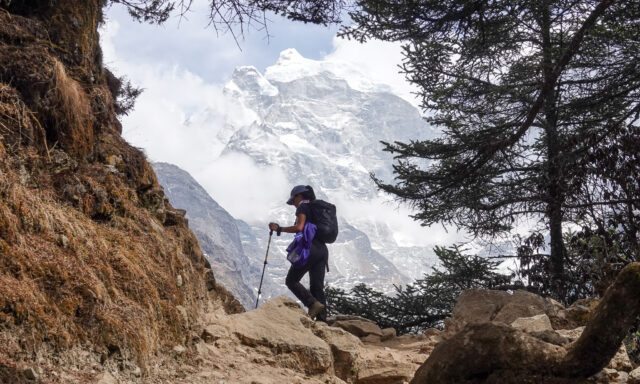
The route from Lukla to Base Camp winds through rhododendron forests, across suspension bridges, and into the heart of Sherpa culture. Most days involve 10 to 15 kilometers of trekking, with plenty of elevation gain and loss. The trail is well-marked and supported by lodges, but it’s not without its challenges: stone staircases, rocky terrain, and the constant push of elevation.
Still, this is not a sufferfest. It’s tough, yes—but it’s also beautiful. You’ll share tea with locals in Namche Bazaar, walk beneath towering peaks in Tengboche, and wake up to sunrise over Ama Dablam. This trek rewards effort with awe, every single day.
Mental Game
EBC isn’t just a physical challenge. It’s long days, cold nights, and the slow rhythm of altitude. You’ll need patience and resilience. You’ll need to be okay with discomfort. But more than anything, you’ll need to be present—because the landscape demands your attention, and the journey changes you.
Who Can Do It?
We’ve guided CEOs, students, teachers, and first-time trekkers to Base Camp. The trek can be achievable for many people with appropriate preparation, a suitable itinerary and experienced support, but it is not suitable for everyone. Individual health and circumstances need consideration. Planned acclimatisation and support do not guarantee reaching Base Camp.
Final Word
Everest Base Camp is a demanding trek that can be a realistic goal for many well-prepared walkers. Assess the itinerary and your readiness with the trip team, and be willing to change plans or descend when needed.
Climb On!
This article was reviewed for trekking accuracy by Shiva Raj Bastakoti, a Nepalese Trekking Guide licensed by Nepal’s Department of Tourism (Licence No. 2997).
CONTINUE YOUR RESEARCH






ABOUT THE AUTHOR

Elie Abi Akar
Elie is the Base Camp Chief at Life Happens Outdoors, orchestrating every adventure from first step to summit. He believes the outdoors offer something essential which is a space to disconnect from routine and reconnect with what truly matters. His mission is simple: to make every journey feel meaningful and unforgettable.