Adventure Stories | BY Rami Rasamny | PUBLISH DATE: June 25 2024 | READ TIME: 3 mins | UPDATED DATE: September 23 2026
Hindsight on Kilimanjaro: Advice From a Veteran

DOWNLOAD YOUR Climb Kilimanjaro GUIDEBOOK
Climbing Kilimanjaro is a challenge that beckons adventurers from around the globe. The allure of Africa’s highest peak, standing majestically at 5,895 meters (19,341 feet), promises an experience of a lifetime. However, as I embarked on this monumental journey, there were crucial insights I wish I had known beforehand. These lessons, learned through sweat, determination, […]
Climbing Kilimanjaro is a challenge that beckons adventurers from around the globe. The allure of Africa’s highest peak, standing majestically at 5,895 meters (19,341 feet), promises an experience of a lifetime. However, as I embarked on this monumental journey, there were crucial insights I wish I had known beforehand. These lessons, learned through sweat, determination, and awe-inspiring vistas, are invaluable to anyone daring to experience the Roof of Africa.
First and foremost, the pace at which you climb Kilimanjaro can make or break your summit attempt. It cannot be overstated: going slow and steady should commence from day one. Many who struggle in the later stages often find themselves in this predicament due to unnecessary exertion on the initial ascent. While you need not be an athlete, a serious approach to training is indispensable. Both physical and mental preparation are essential for tackling the challenges that await on the slopes of Kilimanjaro.
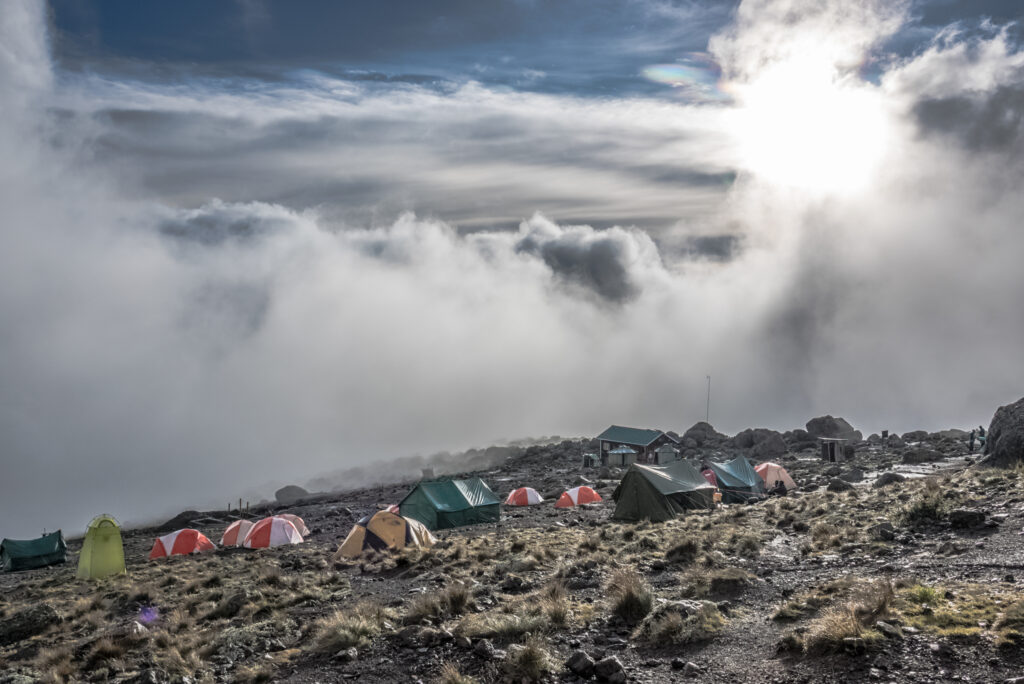
One aspect that took me by surprise was the logistical effort behind something as simple as water provision. Water, sourced from distant rivers, is laboriously transported by porters to the campsites. Understanding the effort involved in this process would have made me more mindful of conserving water throughout the journey.
Another misconception I encountered was the widespread recommendation of diamox, a diuretic, for altitude sickness prevention. Contrary to popular belief, dehydration poses a greater threat than altitude-related ailments. It’s imperative to stay hydrated, and relying solely on diamox may not be the most effective strategy.
Kilimanjaro is a testament to diversity, welcoming climbers of all shapes and sizes. Success on the summit is not dictated by physical prowess but rather by the relentless determination to persevere. Breaking down the daunting summit night into manageable micro-objectives proved to be a morale-boosting strategy, making each stage feel more achievable.
Food, often underestimated, plays a pivotal role in summit success. Adequate calorie intake from the outset is crucial for acclimatization and sustained energy levels. Neglecting nutrition in the early stages can spell disaster, even for those feeling strong at lower altitudes.
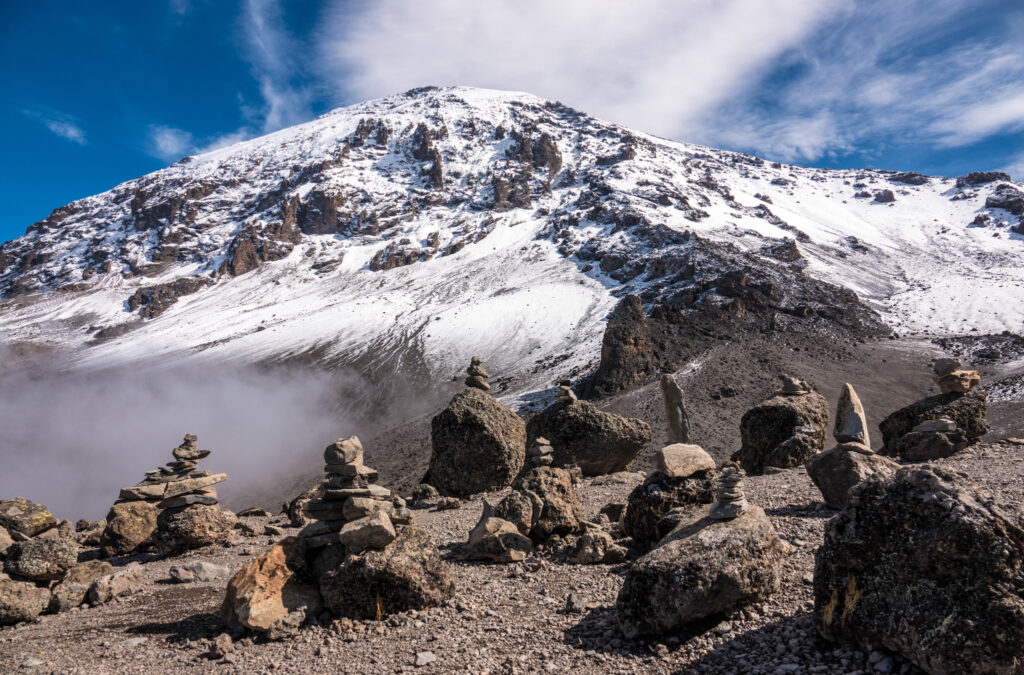
Sleep, the unsung hero of mountain expeditions, cannot be overlooked. Quality rest is paramount for recovery and resilience. Investing in essentials such as earplugs, a warm sleeping bag, and strategic tent setup can make all the difference in ensuring a restful night at high altitude.
In hindsight, these insights would have significantly enhanced my Kilimanjaro experience. While the journey is undeniably arduous, the rewards of experiencing Africa’s highest peak are immeasurable. By embracing these lessons, aspiring climbers can embark on their adventure with confidence, preparedness, and a deep appreciation for the majestic beauty of Kilimanjaro.
This article was reviewed for Kilimanjaro accuracy by Emmanuel Matinde Asseno, a Tanzanian mountain guide licensed by Tanzania’s Ministry of Natural Resources and Tourism (Mountain Guiding Licence No. 037979) and a current Board Member of the Kilimanjaro Guides Association.
Expert review
Reviewed by
Dr. Nima Namgyal Sherpa
Mountaineering guide and expedition doctor
Dr. Nima is LHO’s high-altitude and wilderness medicine reviewer. He has reviewed the altitude-related medical and physiological guidance in this article.
CONTINUE YOUR RESEARCH






ABOUT THE AUTHOR

Rami Rasamny
Rami Rasamny is the founder of Life Happens Outdoors, a premium adventure travel company that uses the outdoors as a catalyst for human transformation. His work brings people into the mountains not only for challenge, but for clarity, confidence, and connection. He believes that when people answer the call to adventure truthfully, they come back different.