







Trip Planning for Treks & Climbs | BY Rami Rasamny | PUBLISH DATE: January 19 2026 | READ TIME: 11 mins | UPDATED DATE: October 31 2026
Cost to Climb Kilimanjaro: Build Your Complete Budget
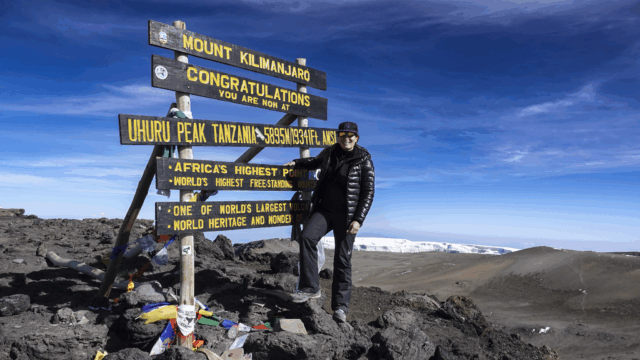
DOWNLOAD YOUR Climb Kilimanjaro GUIDEBOOK
Compare the cost of climbing Kilimanjaro with a dated LHO package example, a clear list of inclusions and extras, and practical questions to ask before booking.
How much does it cost to climb Kilimanjaro?
On 28 September 2026, LHO’s nine-day Machame trip was listed at a standard price of £3,050 per person, with £2,806 early-bird prices on selected departures. These are GBP examples from one operator’s published trip, not a market-wide price range or a promise that the lower price applies to your dates. Check the current Kilimanjaro departures and prices before making plans.
The organised journey includes seven trekking days and two hotel nights in Moshi. Your total spending also depends on international travel, insurance, personal equipment and other extras.
- Organised trip
- What the published LHO trip covers: The named departure’s package priceWhat you need to add or confirm: Use the price for your selected date and currency
- Mountain crew and permits
- What the published LHO trip covers: Certified guides, support crew, porters, required permits and certificatesWhat you need to add or confirm: Compare the written support arrangements, not just a headline price
- Accommodation and shared equipment
- What the published LHO trip covers: Two Moshi hotel nights, mountain tents, foam mats and private portable toiletsWhat you need to add or confirm: Personal sleeping equipment and any extra hotel nights unless confirmed included
- Meals and water
- What the published LHO trip covers: Meals and safe drinking water described in the published itineraryWhat you need to add or confirm: Personal snacks and spending outside the itinerary
- Transfers
- What the published LHO trip covers: Private Kilimanjaro International Airport–Moshi transfers and transport within the itineraryWhat you need to add or confirm: Travel outside the package and any individual changes
- International flights and entry
- What the published LHO trip covers: Not includedWhat you need to add or confirm: Your flight quote, baggage charges and applicable entry costs
- Insurance
- What the published LHO trip covers: Personal medical, travel and cancellation insurance excludedWhat you need to add or confirm: A policy confirmed for your actual route, altitude and activities
- Personal gear
- What the published LHO trip covers: Preparation and gear-shopping supportWhat you need to add or confirm: Clothing, footwear, sleeping gear and any confirmed rental charge
- Crew tips
- What the published LHO trip covers: ExcludedWhat you need to add or confirm: Request the current recommendation, currency and whether it is per traveller or per group
- Contingency
- What the published LHO trip covers: Not an unlimited extra-night or disruption allowanceWhat you need to add or confirm: Keep a separate reserve for costs outside the agreed itinerary
Do not enter zero for an item merely because you do not yet have a quote. Use this worksheet to finish your budget:
- A. Named departure
- Amount in your chosen currency: Enter your current quoteHow to complete it: Include any confirmed booking/payment charges
- B. International flights and baggage
- Amount in your chosen currency: Enter your current quoteHow to complete it: Check arrival and departure timing with LHO
- C. Entry costs
- Amount in your chosen currency: Enter the amount applicable to youHow to complete it: Check requirements for your nationality and travel dates
- D. Insurance
- Amount in your chosen currency: Enter your insurer’s quoteHow to complete it: Complete the itinerary checks before buying
- E. Equipment and rentals
- Amount in your chosen currency: Enter your remaining purchasesHow to complete it: Deduct items you already own and have tested
- F. Tips and personal extras
- Amount in your chosen currency: Enter your planned allowanceHow to complete it: Obtain the current written tipping guidance
- G. Extra nights and contingency
- Amount in your chosen currency: Enter your reserveHow to complete it: Keep this distinct from prepaid trip costs
- Total planning budget
- Amount in your chosen currency: A + B + C + D + E + F + GHow to complete it: This is your total; the package price alone is not
For a route overview, return to the Kilimanjaro planning guide. Before choosing insurance, use the Kilimanjaro insurance checklist.
Kilimanjaro price breakdown: what drives the cost?
The price you pay usually reflects five main cost buckets.
1. National park fees and permits
These are significant and largely fixed regardless of operator. They include park entry, camping or hut fees, rescue fees, and conservation charges.
2. Crew and wages
Your guides, assistant guides, porters, and cooks are the backbone of the expedition. Ethical operators pay fair wages, provide proper equipment, and keep porter loads reasonable. This directly impacts staff performance, morale, and your experience.
3. Route length and itinerary design
More days generally means higher cost because you are paying for more crew days, more food, more camp operations, and more park fees. But a longer itinerary is not automatically better if it drains energy for first timers. The goal is the right structure, not simply the longest number of days.
4. Food, hydration, and hygiene systems
At altitude, food is not a luxury. It is performance and recovery. Clean water systems, proper meal planning, and hygiene standards cost money and they matter.
5. Safety systems and expedition management
Emergency oxygen as backup, medical kits, communication systems, and the experience level of leadership and guides all contribute. Summit night is where systems matter most.
Cost breakdown: what you are paying for, why it matters, and what to ask
Park fees and permits
What it covers: Entry, conservation fees, camping or hut fees, rescue fees.
Why it matters: Fixed major cost, applies to every climber.
What to ask: Are park fees included in the price, and can you itemise them?
Crew and wages
What it covers: Guides, support guides, cook, porters, crew equipment.
Why it matters: Ethics, performance, load limits, crew morale.
What to ask: What is your guide ratio and porter load policy?
Accommodation before and after
What it covers: Hotel nights in Moshi or Arusha, transfers, airport support.
Why it matters: Recovery, logistics, experience quality.
What to ask: How many hotel nights are included and where?
Meals and water
What it covers: Mountain meals, snacks, treated water systems.
Why it matters: Energy, recovery, hydration, illness risk.
What to ask: How do you treat water and what is the meal plan?
Safety and medical support
What it covers: Emergency oxygen, medical kits, comms, training.
Why it matters: Response speed and decision making.
What to ask: What is your altitude protocol and evacuation process?
Group equipment
What it covers: Tents, toilets, dining tent, sleeping systems.
Why it matters: Comfort and hygiene, especially for first timers.
What to ask: Do you provide private toilet tents and what is the ratio?
Inclusions and exclusions
What it covers: Gear support, airport transfers, permits, hotel, meals.
Why it matters: True cost after add ons.
What to ask: What is not included, list it clearly?
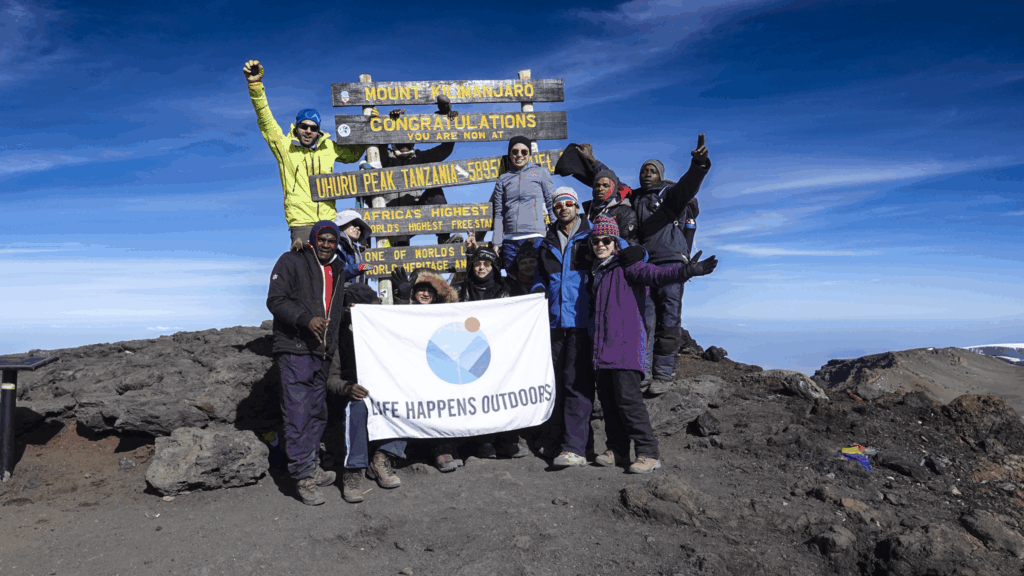
Kilimanjaro tipping: what to budget and how it works
Kilimanjaro tipping is part of the cost and it is often the part people underestimate. Tips support the mountain crew and are a standard part of the culture on the mountain.
As a guideline, plan a tip budget per climber for the full expedition crew, with the exact amount depending on route length, group size, and crew size. A good operator will give you a clear recommended tipping range, explain how it is distributed, and coordinate the process so it stays fair and respectful.
At Life Happens Outdoors, we explain tipping clearly in your pre departure briefing and we coordinate it on trip so you do not have to guess or manage it alone.
Value comparison checklist: how to compare Kilimanjaro operators
- Mountain days and overnight sequence
- Quote A: Record the actual itineraryQuote B: Record the actual itinerary
- Total organised days and hotel nights
- Quote A: Record arrival/departure coverageQuote B: Record arrival/departure coverage
- Guides, crew and responsibility for decisions
- Quote A: Obtain the written arrangementQuote B: Obtain the written arrangement
- Meals, water, tents, mats and toilets
- Quote A: Mark included / extra / unclearQuote B: Mark included / extra / unclear
- Personal equipment, tips and insurance
- Quote A: Add excluded costsQuote B: Add excluded costs
- Changes, early descent and extra nights
- Quote A: Read the applicable termsQuote B: Read the applicable terms
Use this checklist to compare offers that look similar on price.
1. What is the itinerary length and structure?
Is it designed for acclimatisation and energy management?
What Life Happens Outdoors does
We target seven days on the mountain, nine days in total including arrival and departure. Seven days is the sweet spot for acclimatisation without unnecessary fatigue, and nine days total gives you proper runway to arrive well, prepare well, and recover well.
2. What are the guide ratios and support levels?
Who is actually with you on summit night?
LHO’s current trip includes certified guides, support crew and porters. Ask the team to confirm the guide-to-guest arrangements for your departure, who supports summit night and whether any requested individual support carries an additional charge.
3. What is included in the price?
Park fees, hotel nights, meals, water, transfers
What Life Happens Outdoors does
Our Kilimanjaro experience is airport to airport. All permits and park fees. All logistics and transfers. All meals from arrival until departure. Pre expedition assistance for gear shopping, kit checks, training guidance, and nutrition support. You are not buying a climb. You are buying a complete system around you.
4. What hygiene systems are in place?
Toilets, handwashing, dining setup, water treatment
What Life Happens Outdoors does
Top standard hygiene at camp. Private toilets. Hot washing buckets and towels. Hand washing available consistently. Our dining is in a seated dining tent on the mountain, and on arrival and departure we run buffet style dinners. Water is boiled and treated.
5. What is the altitude protocol?
What triggers a rest, a descent, or evacuation
Read LHO’s Safety and Standards and ask the team to explain the current monitoring, descent, evacuation and communication arrangements. Personal medication questions belong with an appropriate clinician. This budget guide does not set a medical threshold or treatment protocol; compare the actual support arrangements and any costs excluded from the package.
6. What is the porter policy?
Loads, wages, equipment, staff welfare
Ask LHO for the current crew-welfare, pay and porter-load arrangements when comparing operators. The trip’s published 14 kg personal duffle allowance is a guest baggage allowance; it does not state a porter’s total carried load or establish a wage comparison.
7. What is the food plan?
What do you eat on summit day, how do they support recovery?
What Life Happens Outdoors does
We built a food plan designed around performance and recovery. You get the macros you need at every altitude, for every phase of the expedition, including recovery support on the way down.
8. What is the communication plan?
How do they manage incidents and logistics?
What Life Happens Outdoors does
We maintain direct communication with the valley at all times. The Life Happens Outdoors Base Camp office always has the latest information. Loved ones can contact the office for updates on progress and wellbeing, so no one feels in the dark while the team is on the mountain.
What to ask any operator checklist
These questions quickly reveal if you are buying a real expedition system or a thin product.
- Are park fees included, and can you itemise them?
- How many days on the mountain, and why this itinerary?
- What is your guide to climber ratio?
- What support staff to trekker ratio do you provide on summit night?
- What is your altitude sickness protocol and decision making process?
- Do you carry emergency oxygen and who is trained to use it?
- How do you treat drinking water and what is your hygiene setup?
- What is your toilet setup at camp and can I upgrade to a personal toilet?
- What is your porter load policy and how do you ensure fair standards?
- What is included and what is not, in plain language?
- How does tipping work and what budget should I plan for?
- What insurance requirements do you have for evacuation and altitude trekking?
Why Life Happens Outdoors focuses on value, not the cheapest price
At Life Happens Outdoors, the goal is not to sell the cheapest Kilimanjaro climb. The goal is to create the safest and most supportive environment possible for first timers and returning climbers alike.
That means disciplined pacing, strong leadership, robust hygiene standards, a food system designed for energy and recovery, and a mountain crew that is treated well and equipped properly. Because when the mountain gets real, the system around you is what carries you.
For a wider route, training and timing guide, read our Kilimanjaro planning guide.
Compare the complete journey before deciding on price. Review LHO’s Machame itinerary and current departures, then ask our team to clarify any inclusion or extra cost that affects your decision.
FAQ
How much does it cost to climb Kilimanjaro?
Start with the dated LHO example and exclusions above, then check the live price for your chosen departure. When comparing another operator, request the route duration and a written list of everything included and excluded.
What is included in the cost to climb Kilimanjaro?
This depends on the operator, so always check. Many climbs include park fees, guides and crew, meals on the mountain, group equipment, and transfers. Some include hotel nights before and after, treated water systems, private toilet setups, and stronger medical protocols. Always ask for inclusions and exclusions in plain language.
How much are Kilimanjaro park fees?
Park fees are a major cost component and are largely fixed across operators. They typically scale with route length and whether you camp or use huts. The key is not the exact number in an ad. The key is whether your operator includes them, itemises them, and runs clean logistics around them.
How does Kilimanjaro tipping work?
Kilimanjaro tipping is usually pooled and distributed to the crew at the end of the trek. A good operator will recommend a fair range, explain the distribution clearly, and coordinate it so the process is respectful and simple.
Is Kilimanjaro trek cost lower on shorter routes?
Sometimes, yes, but not always. Shorter routes can reduce days of park fees and crew logistics, but they may also reduce acclimatisation time, which can affect your experience. The best value is the itinerary that supports steady acclimatisation and energy management, with a strong system around you.
This article was reviewed for Kilimanjaro accuracy by Emmanuel Matinde Asseno, a Tanzanian mountain guide licensed by Tanzania’s Ministry of Natural Resources and Tourism (Mountain Guiding Licence No. 037979) and a current Board Member of the Kilimanjaro Guides Association.
Expert review
Reviewed by
Dr. Nima Namgyal Sherpa
Mountaineering guide and expedition doctor
Dr. Nima is LHO’s high-altitude and wilderness medicine reviewer. He has reviewed the altitude-related medical and physiological guidance in this article.
CONTINUE YOUR RESEARCH
What Am I Paying For? Why Premium Adventure Trips Cost More in Kilimanjaro, Nepal, the Alps, and Norway



DISCOVER MORE ADVENTURES


ABOUT THE AUTHOR
Rami Rasamny
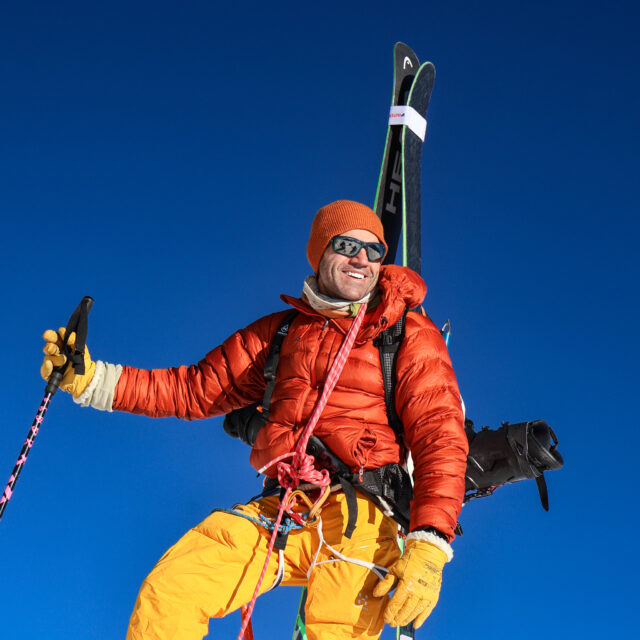
Rami Rasamny is the founder of Life Happens Outdoors, a premium adventure travel company that uses the outdoors as a catalyst for human transformation. His work brings people into the mountains not only for challenge, but for clarity, confidence, and connection. He believes that when people answer the call to adventure truthfully, they come back different.