








Trip Planning for Treks & Climbs | BY Rami Rasamny | PUBLISH DATE: November 25 2026 | READ TIME: 10 mins | UPDATED DATE: November 25 2026
Alta Via 1 Packing List: What to Carry Between Luggage Transfers
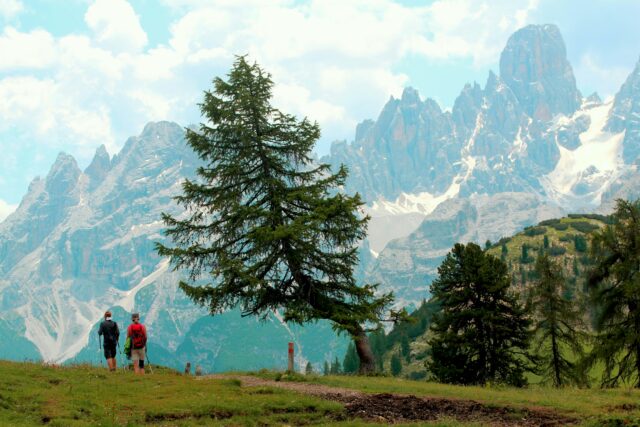
Plan your Alta Via 1 kit around the nights between luggage transfers. Understand the carried pack, the transferred duffel and the travel luggage that stays in Venice.
Your Alta Via 1 packing list should begin with one practical question: when will you next see your luggage? On LHO’s supported itinerary, you carry your personal hut essentials for three consecutive nights, then repack for a separate overnight section later in the journey. Luggage transfers help, but they do not mean your duffel reaches every hut.
That distinction decides what belongs in your backpack, what can travel ahead in the transferred duffel and what can stay in Venice. Get it right and your kit supports the experience: walking through the Dolomites, settling into a mountain hut and having what you need for the next morning.
Choose the packing scenario that matches your trek
This guide separates LHO’s supported Alta Via 1 programme from an independently arranged hut trek. The names of the huts, access to luggage and quantities you carry depend on the itinerary you have booked.
For LHO’s programme, plan around the luggage-access table below and your departure-specific kit list. If you are arranging the walk yourself, confirm each hut booking and transfer stop before using any operator’s list. A service available on one itinerary may not be part of another.
Still choosing your route? Start with our Alta Via 1 route and difficulty guide. It explains the different versions of the walk so that your packing matches the journey you intend to make.
Understand your three bags
Your carried backpack goes with you on the trail. It holds the equipment you need during the day and the personal essentials for every night before your next luggage reunion. Think of it as a pack for walking and hut stays, even when the trip includes luggage transfers.
LHO provides a separate 30 litre transferred duffel with a maximum weight of 10 kg for this programme. It is for items you can do without during the upcoming luggage gap. The 10 kg limit applies to this transferred bag; it is not a target weight for your backpack.
Your main travel luggage stays in Venice. Use it for belongings needed before or after the trek, rather than anything you will want in the mountains. Keep the distinction clear when you unpack on arrival: leaving something in Venice is different from putting it in the duffel you will see in Selva di Cadore.
When will you see your luggage?
The first gap covers Nights 2, 3 and 4 at Sennes, Fanes and Lagazuoi. You rejoin your duffel at the hotel in Selva di Cadore on Day 5. The second gap is Night 6 at Vazzoler, before returning to Venice on Day 7.
| Day and overnight | Transferred duffel | What your backpack needs to cover |
|---|---|---|
| Day 1, Venice | Sort your three bags before departure. | Pack for three hut nights and the walking stages before the Day 5 reunion. |
| Day 2, Sennes | No duffel access on Night 2. | Keep the kit for Nights 2, 3 and 4 in your backpack. |
| Day 3, Fanes | No duffel access on Night 3. | Continue with the personal kit you carried from Venice. |
| Day 4, Lagazuoi | No duffel access on Night 4. | Keep overnight essentials and everything needed for the following day’s walk. |
| Day 5, Selva di Cadore | Reunite with the duffel at the hotel. | Refresh supplies and repack for the separate Night 6 hut stay. |
| Day 6, Vazzoler | No duffel access on Night 6. | Carry trail kit and one night’s hut essentials through the following day’s walk. |
| Day 7, Venice | Reunite with luggage on return. | Keep the day’s walking essentials with you until the return. |
| Day 8, departure | Repack for onward travel. | No trekking carry is planned. |
Pack for the walking as well as the nights. A Day 5 luggage reunion does not give you access to the duffel during that day’s trek. The same applies on Day 7: keep everything needed for the walk in your backpack until you return.
What to carry on the trail
Start with your current departure kit list, then separate what you wear from what goes inside the backpack. The essential question for each item is whether you might need it before the next luggage reunion.
- Weather protection and warm layers that you can reach during the walk.
- Your water containers, the day’s water and the food or snacks specified in the briefing.
- Sun protection, a sun hat, sunglasses, warm headwear and gloves.
- A headlamp, with a checked power supply.
- Your necessary personal medication and personal essentials.
- Documents and information needed during the trek, including the details of your travel insurance.
- The personal hut kit needed until the next duffel reunion.
The current LHO guidebook lists two reusable one litre water bottles. That describes container capacity, not a fixed amount of water for every stage. Follow the team’s briefing on the day’s conditions, refill opportunities and how much to carry. Do not assume that every hut or stop provides an immediately usable refill.
Keep your waterproof layer and other items you may need during the day accessible. Pack the items that must stay dry with appropriate protection inside the bag, and check how your backpack cover fits when the pack is full.
Clothing and footwear for the hut sections
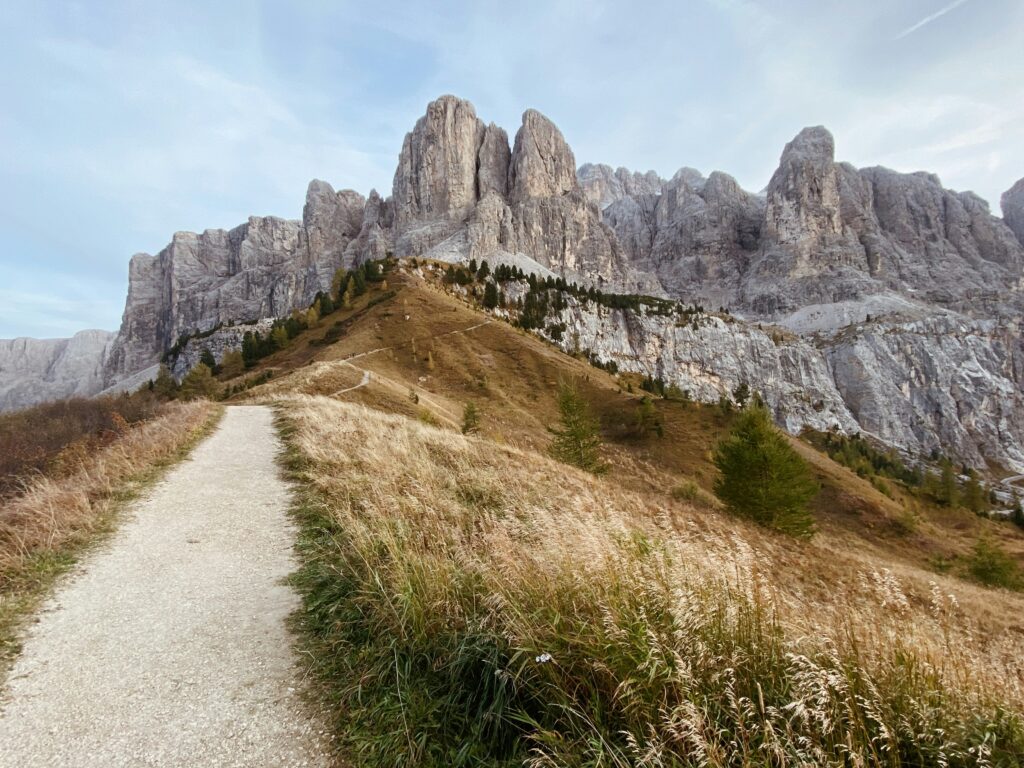
Build your clothing around layers you can add or remove as conditions change. LHO’s guidebook includes quick-drying shirts, warm layers, an insulated jacket, waterproof outer layers, trekking trousers, base layers and head and hand protection. Use the final departure list to settle the combination you need.
A whole-trip clothing list is not the same as the clothes you must carry on every stage. Before leaving Venice, select the changes needed for the first three hut nights. Keep a dry sleeping layer separate from the clothing you walk in. At Selva di Cadore, use the duffel reunion to reassess and repack for the final overnight section.
Do not base your clothing quantities on a promise that something will wash and dry overnight. Choose items you have used on walks, and test the combination with your backpack before travelling. Your final kit should be complete without adding several items that all serve the same purpose.
LHO currently lists waterproof trekking boots with ankle support. Check the fit with the socks you plan to wear, including how your toes feel on descents, and arrive having walked in them. Our Tour du Mont Blanc footwear guide explains useful fit and testing principles; its route-specific recommendations do not replace the Alta Via 1 kit list.
Your personal hut kit
A sleeping bag liner is included in LHO’s current kit list. Keep it in the carried pack for the hut nights, alongside sleepwear, compact toiletries, personal medication and any other overnight items required for your departure.
A liner and a sleeping bag are different pieces of equipment. Do not add a bulky sleeping bag simply because the accommodation is a mountain hut, or leave the liner behind because another hut provides bed linen. The right choice follows the actual accommodation and the confirmed kit list.
Hut arrangements vary by room type. Sennes distinguishes its rooms from its dormitories, with a liner requirement in the dormitory information. Fanes also gives different bedding and towel arrangements for its accommodation categories.
Lagazuoi publishes its own overnight arrangements, while Vazzoler distinguishes room linen from dormitory bedding. These details are a reason to check your booking, rather than assume that every rifugio provides the same things.
Before departure, confirm whether you need to carry a towel and hut footwear for the rooms allocated to your group. Earplugs are a small personal comfort item listed in LHO’s guidebook. Keep toiletries compact and carry only the amounts needed between luggage reunions.
Plan the charging of your phone, headlamp and other essential devices before leaving Venice. Confirm the practical arrangements with the team rather than relying on an available socket whenever you reach a hut.
Lagazuoi tunnels and route-specific equipment
The final route is a guide decision. Do not treat the Lagazuoi tunnel descent as guaranteed, or use a generic Alta Via 1 packing list to decide what technical equipment a particular route requires.
The official Lagazuoi tunnel information lists appropriate footwear, gloves, a headlamp and a helmet. If that route is part of your departure plan, confirm with LHO what you must bring and what, if anything, is supplied. A headlamp on the general kit list is not confirmation of the rest of the equipment arrangements.
How big should your Alta Via 1 backpack be?
Choose a backpack around the kit it needs to hold and how it fits you. For LHO’s programme, it must accommodate the first three hut nights as well as the day’s walking essentials. A bag that works for a day walk at home may feel very different with that overnight kit inside.
Lay out the actual items from your confirmed list and pack them together. Check that the bag closes properly, that you can reach weather protection and water, and that the load remains comfortable when walking up and down steps or slopes.
Our guide to choosing the right hiking backpack explains fit and support in more detail. Try the bag with the load you expect to carry before deciding that a particular litre figure is right for you.
Weigh the packed bag as part of that test and record what is included. Water, food, the backpack itself and any shared equipment all affect the reading. A weight without its contents tells you little about whether your own kit is complete.
What can go in the transferred duffel?
Use the transferred duffel for spare clothing and other belongings that can wait until the next reunion. Before closing it in Venice, check that none of the items inside is needed for Nights 2, 3 or 4, or for the walking before you reach the Day 5 hotel.
At Selva di Cadore, unpack deliberately rather than simply exchanging one shirt. Review the next stage, move the required overnight kit back into your backpack, check your remaining supplies and keep the items needed on Day 7 with you.
The duffel’s size and weight limit are a ceiling, not a reason to fill it. Leave travel-only items in your main luggage in Venice. Confirm the storage arrangements with the team and keep essential documents and necessary medication accessible.
If you are arranging Alta Via 1 independently
Build your own luggage-access schedule before choosing a backpack or deciding how many changes of clothing to carry. An independent itinerary may have no transfers, selected transfers or a different hut sequence from LHO’s programme.
- List each overnight stop and the room type actually booked.
- Ask each hut about bedding, liners, towels and indoor footwear.
- Identify exactly where and when any transferred bag becomes available.
- Check water, food and charging arrangements for the stages you will walk.
- Confirm route-specific equipment with an appropriately qualified local guide or authoritative route source.
- Test your complete carried kit before departure.
If you are still comparing supported trips, our Alta Via 1 and Tour du Mont Blanc comparison explains how the experiences differ. Each programme needs its own packing plan.
A final packing check before Venice
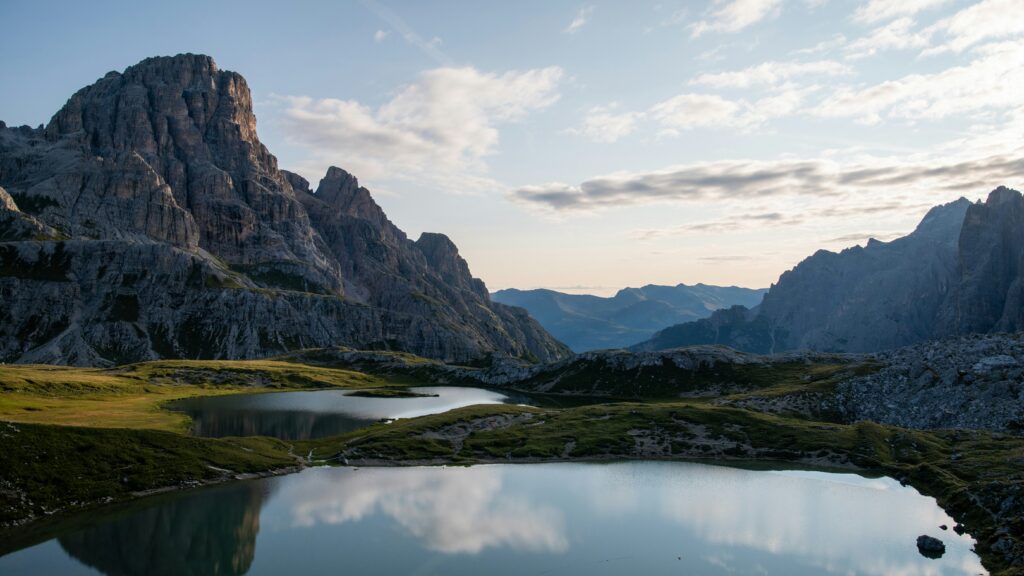
Pack your backpack as it will be for the first hut section and take it for a proper walk. Check fit, movement and access to essentials. Then review the two other bags: what will be waiting at the next reunion, and what can remain in Venice until the return?
The aim is to arrive with a kit you understand and have tested. You should be able to explain why each item is there and know where to find it when you need it.
Pack for the Alta Via 1 itinerary you are walking
Check the current itinerary and ask the LHO team for your departure’s confirmed kit list before buying equipment.
CONTINUE YOUR RESEARCH




DISCOVER MORE ADVENTURES

ABOUT THE AUTHOR
Rami Rasamny
Rami Rasamny is the founder of Life Happens Outdoors, a premium adventure travel company that uses the outdoors as a catalyst for human transformation. His work brings people into the mountains not only for challenge, but for clarity, confidence, and connection. He believes that when people answer the call to adventure truthfully, they come back different.











Comments are closed here.