







Trip Planning for Treks & Climbs | BY Rami Rasamny | PUBLISH DATE: November 20 2026 | READ TIME: 6 mins | UPDATED DATE: November 20 2026
Everest Base Camp Food: Meals, Snacks and Dietary Needs
DOWNLOAD YOUR Everest Base Camp Trek GUIDEBOOK
What meals are included on Everest Base Camp, what dietary requests should you raise, and how can you plan snacks and extras before departure?
On the Life Happens Outdoors Everest Base Camp trek, breakfast and dinner are usually served in the tea house where you sleep, and on walking days the group often stops for lunch along the trail. You can expect dishes such as porridge, eggs, noodles and dal bhat, the Nepali combination of lentils and rice. The trek meals are included. Bring money for personal snacks and extra drinks, and speak to us before booking if you need to know exactly what a kitchen can prepare.
What does a day of eating on the trek look like?
On the walk from Namche Bazaar to Tengboche, lunch comes before the long climb. Our usual route drops towards the river, where the team stops to eat and rest. The afternoon takes you back uphill to the monastery and the tea house where you will have dinner. There is no need to carry a full day’s food for a stage like this. Keep the snack you want on the climb in your daypack.
An acclimatisation day feels different. In Namche, the group returns to town for lunch after the morning walk. In Dingboche, lunch and dinner are at the tea house on the acclimatisation day. Later, on the standard walking descent from Gorak Shep, the itinerary gives Thukla as the lunch stop and Pheriche as the overnight stop. Check the plan with your guide each evening, particularly if an early start or a flight changes when you can sit down to eat. Our guide to Everest Base Camp tea houses shows the dining rooms and lodges that shape this routine.
What can I expect to eat?
On our Everest Base Camp trips, I usually see porridge, eggs, bread and pancakes on the tea house breakfast menus. The two photos below come from our 2023 Everest Base Camp and Island Peak archive. They show the same breakfast before and after someone added a syrup smile.
At lunch and dinner, four dishes our groups typically see are dal bhat, thukpa, chow mein and momos. Dal bhat is rice served with lentils, and the accompaniments depend on the kitchen. If you fancy noodles, thukpa comes as a soup and chow mein is fried. For momos, ask which dumpling fillings the kitchen has that day.
What have trekkers actually been served along the route?
In November 2025, independent trekker Hiromu Ishikawa photographed meals and menus at lodges on this route. Three stops give a sense of what the dish names mean when you sit down to order. The examples come from Ishikawa’s illustrated lodge diary. Your LHO departure may use different lodges, and each kitchen decides what it can serve that day.
Namche Bazaar, around 3,400 metres. At A.D. Friendship Lodge, Ishikawa photographed toast as well as shyakpa, a Sherpa stew containing pieces of wheat dough.
Dingboche, around 4,300 metres. At Peaceful Lodge & Restaurant, the photographs show Tibetan bread and a plate of fried noodles. If you are choosing between noodle dishes after a cold morning, it helps to know the difference between a plate of fried noodles and a bowl of noodle soup.
Gorak Shep, around 5,170 metres. Ishikawa photographed dal bhat at Himalaya Lodge. This is one example of a dish served at the last overnight stop before Base Camp.
Which meals are included, and what costs extra?
LHO’s published EBC itinerary includes meals throughout the trek and the welcome and farewell dinners in Kathmandu. Breakfast on departure day is also included. If you arrive early or stay on in Kathmandu, check which meals you will pay for yourself.
Personal snacks and drinks outside the itinerary are guest expenses. For example, set aside some spending money if you want coffee and cake during your free afternoon in Namche. Drinking water has its own arrangements in your predeparture information. If you are budgeting for bottled water or a particular drink, check what is provided before setting money aside for every stop.
Can I trek as a vegetarian or vegan, or with a food allergy?
Start with the dishes you would actually order. A vegetarian might ask which lentil or noodle dishes use vegetable stock. If you eat vegan food, ask whether porridge can be made with water, whether the noodles contain egg, and whether butter or milk is added to bread or potatoes. A short list of meals that work for you is easier for the team to check across several lodges.
If you have an allergy, tell LHO which ingredient you must avoid and whether shared equipment or cooking oil is a concern. Ask what the team can verify for the overnight lodges and the lunch stops. A menu description alone cannot establish how a dish was prepared. If a kitchen cannot confirm something you depend on, discuss that uncertainty with LHO before deciding whether to book.
A useful way to open the conversation is, “I need to avoid ___. Can you check which breakfasts and main meals I could have at the higher stops, how they are prepared and what I should bring myself?” Once booked, record the request on your Team Details Form as well. Ask for the agreed arrangements in writing and go over them with your Team Leader at the Kathmandu briefing.
Which snacks should I carry?
Take something you already enjoy on a long walk and can eat during a short stop. That might be a cereal bar, dried fruit or a savoury biscuit. Test it on a training walk first. Pack the day’s portion where you can reach it, and keep anything you need before lunch out of the duffel that travels with the porters. Our Everest Base Camp packing list covers the rest of your daypack.
If you rely on a specific brand or ingredient list, take a supply you know you can use. Buying a treat in Namche is one thing. Depending on finding a particular product in Gorak Shep is another. In Lobuche, ask your guide over dinner when you will next stop for a meal on the early walk to Base Camp and whether you need to carry lunch as well as your snacks.
What if I struggle to eat on the trail?
Tell your guide when it happens, even if the rest of the group is still finishing dinner. Say what you were able to eat and how you feel. For more on the guide team’s approach, see our Everest Base Camp altitude guide. Our guides to hydration at altitude and hygiene on the EBC trek cover drinking water and day to day hygiene in more detail.
Plan your Everest Base Camp trek
If there is a meal you need to plan differently, pick out the day on the itinerary and bring that question to our team before choosing your departure.
CONTINUE YOUR RESEARCH




ABOUT THE AUTHOR
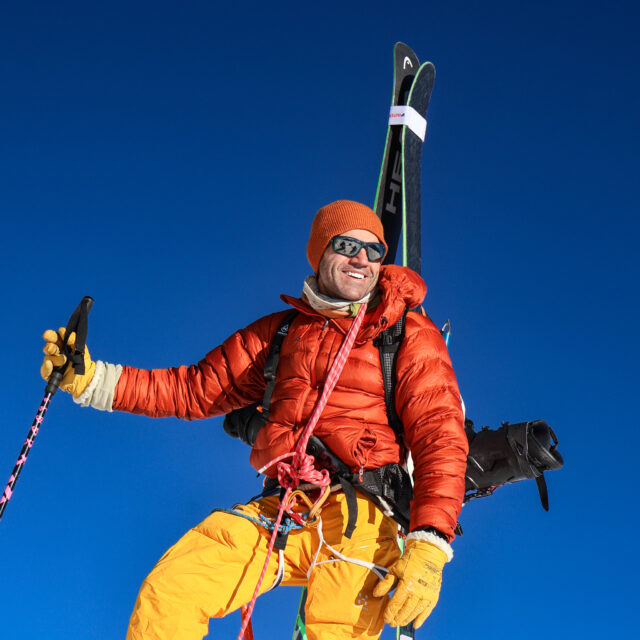
Rami Rasamny
Rami Rasamny is the founder of Life Happens Outdoors, a premium adventure travel company that uses the outdoors as a catalyst for human transformation. His work brings people into the mountains not only for challenge, but for clarity, confidence, and connection. He believes that when people answer the call to adventure truthfully, they come back different.