Adventure Stories | BY Elie Abi Akar | PUBLISH DATE: October 01 2025 | READ TIME: 3 mins | UPDATED DATE: September 23 2026
Alpine Style v Expedition Climbing. What’s the Difference?

DOWNLOAD YOUR Climb Mont Blanc GUIDEBOOK
When people talk about mountaineering, two terms often come up: alpine style and expedition climbing. They describe very different approaches to the same challenge: reaching high mountains safely and responsibly. Understanding the difference is key to choosing how you want to move in the mountains. Alpine style: fast and light Alpine style means carrying only […]
When people talk about mountaineering, two terms often come up: alpine style and expedition climbing. They describe very different approaches to the same challenge: reaching high mountains safely and responsibly. Understanding the difference is key to choosing how you want to move in the mountains.
Alpine style: fast and light
Alpine style means carrying only what you need for the climb and moving continuously without relying on fixed camps or large support teams. Climbers usually pack everything into their rucksack and commit to the mountain in one push.
The philosophy is about speed, simplicity, and efficiency. Moving light allows you to climb faster, reduce exposure to hazards, and keep your impact on the mountain minimal. It’s often seen as the purest form of climbing because success relies solely on your own preparation, skill, and decision-making.
Expedition climbing: slow and supported
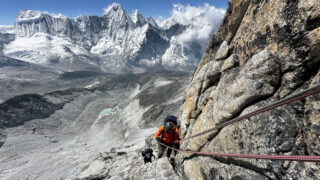
Expedition style, sometimes called siege style, is very different. Climbers establish a series of camps up the mountain, moving supplies step by step with the help of larger teams and often with the use of fixed ropes. This method can take weeks or even months, depending on the scale of the mountain.
The approach makes it possible to tackle the highest peaks on earth where weather, altitude, and scale demand more time. It also allows climbers to acclimatise gradually and carry heavier loads with shared effort.
Risk, commitment, and style of experience
The biggest difference between the two styles comes down to risk and commitment. Alpine style offers less margin for error: once you set off, there’s little chance of retreat or resupply. Expedition style provides more backup but demands more time, energy, and logistical effort.
Neither style is “better.” They simply reflect different philosophies and objectives. Alpine style may suit smaller, technical climbs where speed and self-sufficiency matter most. Expedition style is often the only realistic approach for the giants of the Himalaya or Karakoram.
Which style is right for you?
Choosing a style depends on your experience, fitness, and goals. If you value independence and moving lightly through the mountains, alpine style may speak to you. If you want to experience the teamwork and gradual rhythm of a big mountain campaign, expedition style could be the right fit.
In the end, both are ways of engaging deeply with the mountains. The style you choose shapes not only your chances of reaching the summit but also the meaning of the journey itself.
Expert review
Reviewed by
Dr. Nima Namgyal Sherpa
Mountaineering guide and expedition doctor
Dr. Nima is LHO’s high-altitude and wilderness medicine reviewer. He has reviewed the altitude-related medical and physiological guidance in this article.
CONTINUE YOUR RESEARCH





ABOUT THE AUTHOR

Elie Abi Akar
Elie is the Base Camp Chief at Life Happens Outdoors, orchestrating every adventure from first step to summit. He believes the outdoors offer something essential which is a space to disconnect from routine and reconnect with what truly matters. His mission is simple: to make every journey feel meaningful and unforgettable.