Trip Planning for Treks & Climbs | BY Rami Rasamny | PUBLISH DATE: September 28 2026 | READ TIME: 5 mins | UPDATED DATE: September 28 2026
Planning Your First Via Ferrata Trip in the Dolomites
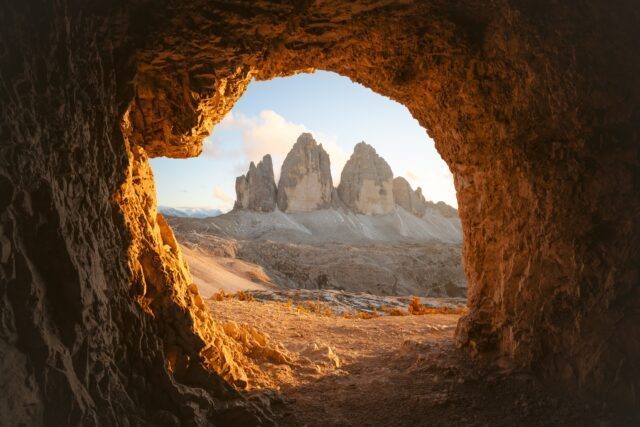
Understand the complete mountain day, exposure, instruction and equipment before choosing a guided via ferrata journey in the Dolomites.
Via ferrata can open a different view of the Dolomites: moving through exposed rock terrain, learning new skills and seeing the landscape from routes that feel very different from an ordinary walking trail. Preparation begins with understanding what that experience involves.
A via ferrata uses fixed aids such as cables, anchors or ladders. Appropriate equipment and the ability to use it matter, alongside fitness, weather and route judgement. This guide helps you assess a trip and prepare questions; practical instruction belongs with a qualified guide.
Start with the whole mountain day
The protected climbing section is only part of the outing. Consider the approach walk, ascent, time on the route and descent, as well as how you will feel on the following day. A short distance can still involve substantial climbing and exposure.
- How long is the complete day?
- Approach, climbing section, breaks and descent
- What makes it demanding?
- Terrain, ascent, descent, sustained effort and exposure
- What experience is expected?
- Prior walking or climbing, comfort with heights and the skills taught at the start
- How are routes selected?
- Guide assessment of conditions and the group, plus available alternatives
- Where do we sleep?
- The actual hotel or hut sequence and what you carry between nights
Use those details to compare options. A grade is useful context, but it cannot describe every aspect of a day or determine whether a particular route fits you.
Can a first-timer join?
Some guided trips introduce the activity to people without previous via ferrata experience. Suitability still depends on the trip’s demands, your preparation and the guide’s assessment. Tell the team about your recent hikes, exposure experience and concerns rather than trying to fit a vague “beginner” label.
The German Alpine Club recommends training with qualified experts and choosing routes within your abilities. Its guidance also emphasises planning the approach and descent, appropriate equipment and weather conditions. The presence of fixed protection does not remove the possibility of a fall or other mountain hazards.
Confirm individual equipment before buying or renting
For LHO’s six-day Dolomites trip, a harness, helmet and via ferrata set are included. Confirm fitting, condition and the instruction needed to use them, and follow the current kit list for clothing, footwear and other personal items. When comparing other trips, check each operator’s individual-equipment inclusions.
- Supplied items
- LHO includes a harness, helmet and via ferrata set; confirm arrangements and fitting before departure
- Personal items
- What must be brought or rented
- Fit and suitability
- How the guide checks the system for the person using it
- Clothing and footwear
- The departure’s actual kit instructions and conditions
- Carrying
- The daypack and overnight-kit requirements
Avoid buying from an incomplete checklist or assuming that equipment suited to a different activity is interchangeable. Get the current instructions, then test your ordinary walking kit before travel. This article does not replace instruction in attaching, checking or using protective equipment.
Let the conditions shape the route
Mountain plans need flexibility. Summer does not guarantee that every route is open, dry or free of snow. Thunderstorms, rain and changing conditions can affect whether a route should be attempted. Tell the team if you feel unwell, fatigued or uncomfortable with the progression, and follow the guide’s decisions.
When looking at a tour description, distinguish a named example from a guaranteed objective. The useful commitment is to a well-understood guided journey, with realistic alternatives and clear terms if the plan changes.
Via ferrata and Alta Via 1 answer different wishes
The Dolomites offer both protected climbing and walking journeys. If you want repeated climbing sections, exposure and new equipment skills, a guided via ferrata trip may be the right conversation. If the continuous walking journey and hut evenings matter more, start with the Alta Via 1 guide.
Do not assume that an Alta Via itinerary includes every nearby via ferrata, or that a tunnel variation is guaranteed. Read the actual stages and ask about route-specific equipment. The Alps hiking selection page is useful if you are still comparing kinds of mountain holiday.
Prepare a clear booking conversation
Bring your recent hiking record, available dates and questions about heights, equipment and accommodation. LHO’s six-day journey uses Venice arrival and Cortina as the mountain base, with three Cortina hotel nights, one mountain-hut night and a final Venice hotel night. Confirm the flight timing and transfers for your departure before booking international travel. Price the whole trip, including international travel, personal equipment or rentals, applicable entry costs, insurance and other exclusions.
For insurance, describe via ferrata explicitly and provide the itinerary and other planned activities. Ask your insurer to confirm the policy’s treatment of them; a general hiking answer may not address the trip you are choosing.
LHO’s six-day Dolomites via ferrata trip is the commercial reference for the current itinerary, dates and inclusions. Speak to the team to establish whether it fits your preparation and the experience you want to have.
CONTINUE YOUR RESEARCH




ABOUT THE AUTHOR

Rami Rasamny
Rami Rasamny is the founder of Life Happens Outdoors, a premium adventure travel company that uses the outdoors as a catalyst for human transformation. His work brings people into the mountains not only for challenge, but for clarity, confidence, and connection. He believes that when people answer the call to adventure truthfully, they come back different.