









Outdoor Skills & Safety | BY Elie Abi Akar | PUBLISH DATE: April 15 2025 | READ TIME: 4 mins | UPDATED DATE: October 31 2026
Is Annapurna Base Camp Safe?
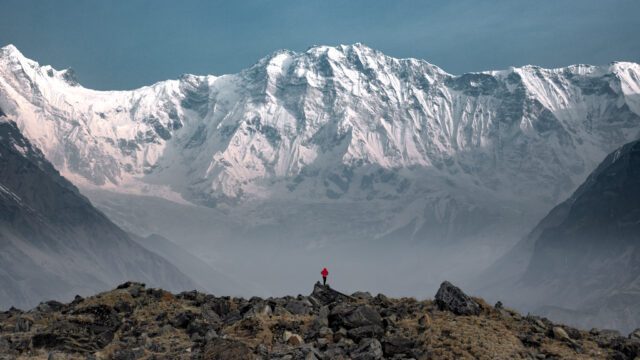
DOWNLOAD YOUR Annapurna Base Camp Trek GUIDEBOOK
Let’s be real—when you hear “Annapurna,” what comes to mind?Jaw-dropping peaks. Rhododendron forests in full bloom. Sunrise over Machapuchare that makes you forget you’ve been hiking for six days straight. And yes, a little voice in your head whispering, “Is it safe, though?”We get it. Safety is a fair concern—especially in the Himalayas. So let’s […]
Let’s be real—when you hear “Annapurna,” what comes to mind?
Jaw-dropping peaks. Rhododendron forests in full bloom. Sunrise over Machapuchare that makes you forget you’ve been hiking for six days straight. And yes, a little voice in your head whispering, “Is it safe, though?”
We get it. Safety is a fair concern—especially in the Himalayas. So let’s unpack it.
The Short Answer: Yes—But With a Few Asterisks
Annapurna Base Camp (ABC) is one of the most popular trekking destinations in Nepal. It’s well-trodden, well-supported, and doable for anyone with decent fitness and a sense of adventure. But it’s still the Himalayas, and you’re still venturing into high-altitude terrain that plays by its own rules.
So, is it safe?
Let’s break it down.
1. The Route is Generally Well-Maintained
One of the best things about the ABC trek is that it doesn’t require technical climbing. It’s a trek, not an expedition. You’re walking through villages, crossing suspension bridges, and ascending through a mix of subtropical forest and alpine terrain.
The paths are well-defined, and guesthouses (teahouses) are plentiful. You’ll meet other trekkers along the way, and the guides know this route like the backs of their hands.
✅ Bonus: You don’t need to camp. Beds, hot meals, and charging outlets exist.
2. Altitude is Real, But Manageable
ABC sits at 4,130 meters (13,550 feet). That’s high enough to feel the effects of altitude, but low enough that severe altitude sickness is less common than on, say, the Everest Base Camp trek.
Still, go too fast, and you might find yourself with a pounding headache or worse. The golden rule? Go slow, hydrate, and listen to your body.
3. Avalanches & Landslides: The Real Risk Zone
Now here’s where things get serious. The section between Deurali and Machapuchare Base Camp (MBC) is avalanche-prone—especially in late winter and early spring (think February to March). This area has seen fatal avalanches in recent years. And yes, it can be unpredictable. The same goes for landslides during monsoon season (June to August). Trails can get washed out, and conditions change fast. It would be wise to avoid trekking within these windows.
4. Solo Trekking Isn’t Allowed Anymore
As of 2023, the Nepalese government officially banned solo trekking in most regions, including ABC. So even if you think you’re Bear Grylls, you’ll need to hire a licensed guide or go through an agency.
Honestly? This is a good thing.
Guides add a layer of safety and enrich the experience with local knowledge you won’t find in a Lonely Planet.
5. Weather Can Flip the Script
Weather in the Himalayas changes like a moody teenager. What starts as a sunny morning can turn into a snowstorm by afternoon. Always check forecasts and pack for everything—sun, snow, rain, and wind.
🧢 Your layering game better be strong.
So… Should You Go?
Absolutely.
If you’re prepared, aware of the risks, and travel with a good guide, Annapurna Base Camp is not only safe—it’s unforgettable.
It’s the kind of place that humbles you. That strips life down to boots, breath, and beauty. That reminds you that the best stories are never the safest ones.
So yes, there are risks—but with the right mindset and team, it’s all part of the adventure.
Planning a trip to Nepal? Explore our complete Nepal guide covering treks, climbs, and everything you need to know.
This article was reviewed for trekking accuracy by Shiva Raj Bastakoti, a Nepalese Trekking Guide licensed by Nepal’s Department of Tourism (Licence No. 2997).
Expert review
Reviewed by
Dr. Nima Namgyal Sherpa
Mountaineering guide and expedition doctor
Dr. Nima is LHO’s high-altitude and wilderness medicine reviewer. He has reviewed the altitude-related medical and physiological guidance in this article.
CONTINUE YOUR RESEARCH


ABOUT THE AUTHOR

Elie Abi Akar
Elie is the Base Camp Chief at Life Happens Outdoors, orchestrating every adventure from first step to summit. He believes the outdoors offer something essential which is a space to disconnect from routine and reconnect with what truly matters. His mission is simple: to make every journey feel meaningful and unforgettable.