Trip Planning for Treks & Climbs | BY Elie Abi Akar | PUBLISH DATE: August 11 2025 | READ TIME: 4 mins | UPDATED DATE: September 23 2026
How To Choose The Best Trekking in Nepal
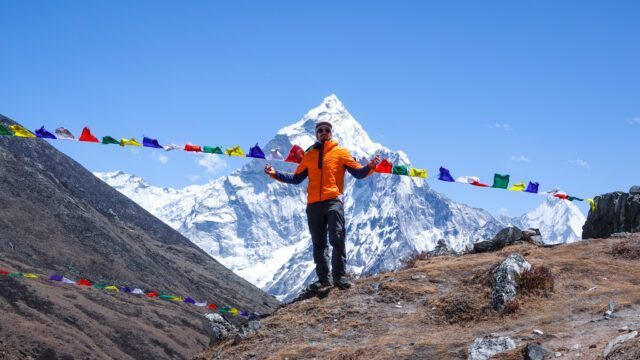
DOWNLOAD YOUR Everest Base Camp Trek GUIDEBOOK
Nepal isn’t short on options. From the snow-dusted summits of the Himalayas to the quiet green valleys tucked away from the world, the country offers more than just treks – it offers journeys into landscapes and cultures unlike anywhere else. But with so many famous routes, each promising its own magic, how do you choose […]
Nepal isn’t short on options. From the snow-dusted summits of the Himalayas to the quiet green valleys tucked away from the world, the country offers more than just treks – it offers journeys into landscapes and cultures unlike anywhere else. But with so many famous routes, each promising its own magic, how do you choose the one that’s right for you?
Start with your time frame
Your available time is the first filter. Some treks, like the Everest Base Camp route, typically take around two weeks, while shorter options such as the Ghorepani Poon Hill trek can be done in four to five days. If you have only a week, look for trails in the Annapurna or Langtang regions that are accessible yet still rewarding. Longer itineraries open the door to more remote adventures like the Manaslu Circuit or Upper Mustang.
Think about altitude and fitness
Not all treks demand the same level of preparation. High-altitude routes such as Everest Base Camp or the Annapurna Circuit require gradual acclimatisation and a good base level of fitness. Mid-altitude trails in the Langtang Valley or Helambu are gentler but still deliver incredible views. Your choice should balance ambition with comfort, ensuring you enjoy the journey rather than endure it.
Consider the season
The most popular trekking seasons in Nepal are spring (March to May) and autumn (September to November). These months bring clear skies, comfortable temperatures, and vibrant landscapes. Winter trekking is possible for lower-altitude routes, while the summer monsoon transforms trails into lush green corridors, ideal for those seeking solitude and don’t mind some rain.
Decide on the type of experience
Do you want to walk through bustling teahouse villages or venture into regions where the trail is quiet and days pass without meeting another group? Annapurna and Everest regions are well-served with facilities and easy logistics. Areas like Dolpo or Kanchenjunga require more planning and often involve camping, but offer unmatched remoteness.
Look beyond the big names
Everest and Annapurna deserve their fame, but Nepal’s lesser-known treks can be just as memorable. The Mardi Himal trek, for example, offers stunning ridge walks and close-up mountain views with far fewer crowds. The Manaslu Circuit blends towering peaks with Tibetan-influenced culture. Exploring these alternatives can lead to a more personal and intimate experience.
Let your interests guide you
If cultural immersion matters most, choose routes that pass through traditional villages where daily life still follows rhythms shaped by the land. If photography is your focus, consider trails with varied landscapes – rhododendron forests, glacial rivers, and sweeping Himalayan vistas all in a single trek, such as the Gokyo Lakes Trek.
In the end, it’s your trek
There’s no single “best” trek in Nepal – only the one that fits your time, ability, and interests. Whether you’re walking among the giants of Everest or tracing quiet paths through the hills of Helambu, the right trek will feel like it was made for you. And that’s when Nepal becomes more than just a destination – it becomes part of your story.
If you are still comparing routes, explore our Nepal trekking and climbing trips to see how Life Happens Outdoors itineraries differ by altitude, duration, fitness, technical difficulty and experience level.
This article was reviewed for trekking accuracy by Shiva Raj Bastakoti, a Nepalese Trekking Guide licensed by Nepal’s Department of Tourism (Licence No. 2997).
Expert review
Reviewed by
Dr. Nima Namgyal Sherpa
Mountaineering guide and expedition doctor
Dr. Nima is LHO’s high-altitude and wilderness medicine reviewer. He has reviewed the altitude-related medical and physiological guidance in this article.
CONTINUE YOUR RESEARCH






ABOUT THE AUTHOR

Elie Abi Akar
Elie is the Base Camp Chief at Life Happens Outdoors, orchestrating every adventure from first step to summit. He believes the outdoors offer something essential which is a space to disconnect from routine and reconnect with what truly matters. His mission is simple: to make every journey feel meaningful and unforgettable.