









Trip Planning for Treks & Climbs | BY Rami Rasamny | PUBLISH DATE: February 20 2025 | READ TIME: 5 mins | UPDATED DATE: October 31 2026
Mont Blanc Boots: Choosing for Warmth, Fit and Crampon Compatibility
DOWNLOAD YOUR Climb Mont Blanc GUIDEBOOK
For a Mont Blanc ascent, choose mountaineering boots with enough warmth for the expected conditions and a secure fit with your exact crampons. Confirm the boot and crampon combination with your guide before buying or renting. Fit, insulation and compatibility matter more than choosing a model by name alone. What to Look for in a […]
For a Mont Blanc ascent, choose mountaineering boots with enough warmth for the expected conditions and a secure fit with your exact crampons. Confirm the boot and crampon combination with your guide before buying or renting. Fit, insulation and compatibility matter more than choosing a model by name alone.
What to Look for in a Mont Blanc Boot
Crampon compatibility: check boots and bindings
Semi-automatic crampons normally use a heel lever and a front basket; automatic crampons require compatible toe and heel welts. The binding style alone does not make a setup suitable. Follow both manufacturers’ compatibility guidance and have the exact pair adjusted and checked by your guide.
Warmth and construction: confirm the requirements for your course
Single and double boots describe different constructions; neither label, by itself, confirms that a boot is suitable for your Mont Blanc course. The relevant questions are how warm the actual boot is, how it fits you, whether it works with the required crampons and what your guide expects for the planned conditions.
Ask the LHO team to check the model and construction before you commit to a purchase or rental. Send the exact model name and, for boots you already own, clear photographs of the sole, toe and heel. Include the crampon model if you have one. A familiar brand name or a “mountaineering” label is not enough to establish compatibility.
A waterproof membrane is only one part of a boot’s specification. It does not tell you the level of insulation or whether the boot is suitable for the temperatures and terrain you may encounter. Follow the current course equipment instructions and the manufacturers’ guidance, then resolve any uncertainty with your guide.
Fit and Comfort
- Your toes should have enough space not to touch the front of the boot when descending, avoiding painful impact, which is key when considering the Mont Blanc climb difficulty.
- The heel should remain securely planted when ascending to prevent blisters and ensure stability during your Mont Blanc climbing experience.
Fit comes before the model name. A boot must hold the heel securely, allow appropriate toe room on descent and work with the crampons required for the course; a recommended model is not automatically right for every foot. Buying suitable boots does not establish mountain readiness or safety. Confirm your boot and crampon combination against the current course instructions and speak with the LHO team if you are uncertain.
Boot models to discuss with your guide
These examples show how named models differ in construction and the binding information manufacturers provide. They are a starting point for discussion with your guide, rather than approval for your climb. Specifications checked on 8 October 2026.
SCARPA Mont Blanc Pro GTX
Leather upper with GORE-TEX Insulated Comfort lining. SCARPA lists compatibility with automatic and semi automatic crampons.
SCARPA Phantom Tech HD
Insulated synthetic construction with a protective outer gaiter. SCARPA lists compatibility with automatic and semi automatic crampons.
La Sportiva Nepal EVO GTX
Leather upper with GORE-TEX Insulated Comfort lining. Confirm the binding options for the exact version from current manufacturer guidance before checking the actual crampon pairing with your guide.
For each model, confirm the exact version, fit, condition, insulation needs and actual boot and crampon pairing with your guide before buying or reserving a rental. Warmth requirements vary with conditions and the individual; a stated binding category does not establish a secure physical fit.
Review of this boot-model comparison
Reviewed by Pavlos Tsiantos, IFMGA Mountain and Ski Guide
Reviewed October 2026
Before you buy or collect rental boots
What to check before committing
- Exact equipment
- Give the team the full boot and crampon model names. Have the actual combination adjusted and checked; do not rely on category labels alone
- Fit
- Try the boots with the socks you intend to use. Check heel hold and toe room while walking up and down a suitable fitting ramp
- Warmth
- Confirm that the model meets the current course requirements. Explain if you have concerns about cold feet so those can be discussed before arrival
- Existing equipment
- Check condition, wear and manufacturer guidance. Owning boots already does not remove the need for a current suitability check
- Rentals
- Confirm the model, size, collection arrangements and time available for fitting. Allow time to resolve a poor fit before the mountain days begin
The best choice is the pair that meets the course requirements and fits you properly. Buying an expensive model does not replace preparation, and boots alone do not establish readiness for Mont Blanc.
Use the Mont Blanc climbing gear list to place this decision in the context of your full kit. Our guided Mont Blanc course explains the mountain days, preparation support and what is included. If your remaining question is about a specific boot or rental arrangement, ask the LHO team before buying.
Before choosing equipment, check Mont Blanc readiness against your recent experience and preparation time.
Preparing beyond your boots
Choosing suitable boots is one part of arriving ready for Mont Blanc. You also need compatible crampons, a reliable layering system, confidence using technical equipment and enough time to build mountain fitness. Review the wider preparation for climbing Mont Blanc, then see how training and acclimatisation are built into the Life Happens Outdoors Mont Blanc Summit Course.
CONTINUE YOUR RESEARCH



DISCOVER MORE ADVENTURES



ABOUT THE AUTHOR
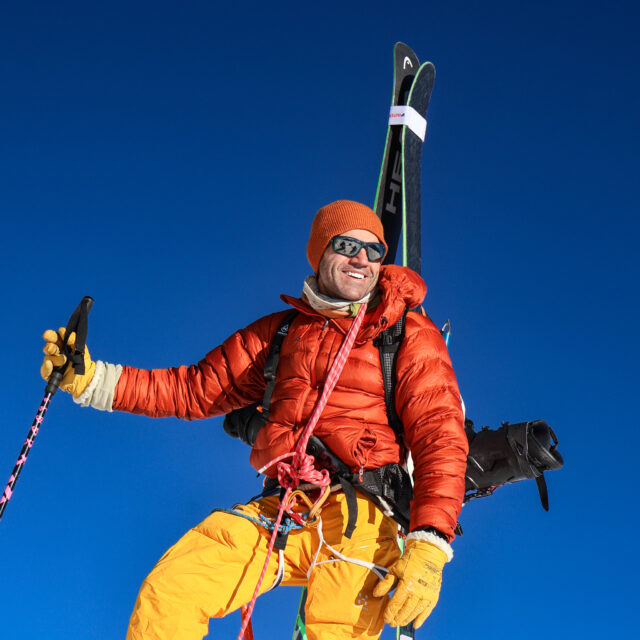
Rami Rasamny
Rami Rasamny is the founder of Life Happens Outdoors, a premium adventure travel company that uses the outdoors as a catalyst for human transformation. His work brings people into the mountains not only for challenge, but for clarity, confidence, and connection. He believes that when people answer the call to adventure truthfully, they come back different.