Adventure Travel Destinations | BY Rami Rasamny | PUBLISH DATE: July 23 2020 | READ TIME: 5 mins | UPDATED DATE: September 28 2026
5 Things to Know About the Classic Inca Trail

DOWNLOAD YOUR Machu Picchu Trek GUIDEBOOK
Machu Picchu may be the celebrated finish, but the Classic Inca Trail is far more than a path to one archaeological site. Across four trekking days, the route links mountain landscapes, cloud forest and a sequence of Inca sites before entering Machu Picchu through Intipunku, the Sun Gate. These five details help explain why the […]

Machu Picchu may be the celebrated finish, but the Classic Inca Trail is far more than a path to one archaeological site. Across four trekking days, the route links mountain landscapes, cloud forest and a sequence of Inca sites before entering Machu Picchu through Intipunku, the Sun Gate.
These five details help explain why the journey has such a distinctive sense of place.
1. The trail is an archaeological journey, not just a hike
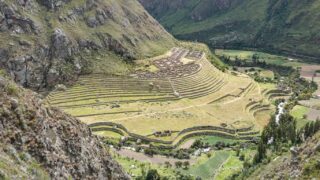
The route passes a succession of Inca archaeological sites. Official visitor information identifies places including Patallaqta, Runkurakay, Sayaqmarka, Phuyupatamarka and Wiñay Wayna before the approach through Intipunku to Machu Picchu.
Each site changes the rhythm of the trek. Terraces emerge from the mountainside, stone structures appear through mist and the engineering of the trail becomes part of the story. Rather than racing from camp to camp, take time to listen to your guide and understand how the sites relate to movement, agriculture, ceremony and the surrounding landscape.
This is why the Classic Inca Trail feels different from simply arriving at Machu Picchu by road and rail: the route reveals the wider cultural landscape one layer at a time.
2. Intipunku creates a historic approach to Machu Picchu
The trail reaches Machu Picchu through Intipunku, usually translated as the Sun Gate. It sits above the citadel and forms the final threshold of the trek.

The first view is powerful because it has been earned over several days, but it is also shaped by real mountain conditions. Cloud, rain, trail timing, access procedures and the pace of the group can all affect what you see and when you see it. Treat a clear or sunrise view as a gift, not a guarantee.
Even when the mountains are wrapped in cloud, passing through Intipunku completes the route in a way that is both physical and symbolic: Machu Picchu is revealed at the end of the journey rather than presented at its beginning.
3. The landscape changes around you
The Classic Inca Trail crosses a striking range of environments. The high sections feel open and exposed, with mountain passes, cool air and wide Andean views. As the route descends, the surroundings become greener and more humid, with cloud forest vegetation around the later archaeological sites.
These transitions are not background scenery. They influence the weather, trail surface, temperature and wildlife you may encounter. Layers, sun protection and rain protection all matter, sometimes on the same day.
Moving through the landscape on foot also makes the Inca road system easier to appreciate. Stone paving, staircases and drainage were built across difficult terrain, connecting places that still feel remarkably remote.
4. Coca leaves carry cultural meaning in the Andes
Coca leaves have longstanding cultural and traditional importance for Indigenous Peoples in the Andes. You may encounter them offered as tea or used in traditional ways in and around Cusco and along the journey.
Approach the subject with respect rather than treating coca as a novelty or as a guaranteed remedy for altitude. Traditional use and modern medical advice are not the same thing. Follow local guidance and the laws that apply to where you are travelling, and never take coca leaves across an international border.
If you are concerned about altitude, speak with a qualified clinician before the trip and tell your guide promptly if you develop symptoms on the trail.
5. Cusco is part of the experience, not just the gateway
Cusco is the logistical starting point for many Machu Picchu journeys, but treating it only as a transit stop misses much of its character. Inca foundations, colonial-era buildings, neighbourhood streets, markets and contemporary Peruvian food all sit within the same living city.
Time in Cusco also helps slow the transition into a high-altitude journey. Explore at an easy pace, eat well and allow yourself to arrive properly before the trek begins. The Sacred Valley adds another layer of context, connecting the trail to a broader landscape of communities, agriculture and archaeological sites.
Together, Cusco, the Sacred Valley and the Classic Inca Trail make Machu Picchu feel like the culmination of a story rather than a standalone attraction.
Could the Classic Inca Trail be right for you?
The cultural richness of the route does not remove its physical demands. Four trekking days, three camping nights, steep stone steps and a pass at around 4,200 metres require preparation and a realistic mindset.
Read Is the Inca Trail to Machu Picchu Right for Me? for a practical look at difficulty, fitness, altitude, camping, toilets and permits.
If you are still choosing your route, compare the Inca Trail and Salkantay by walking, camping, access and the complete itinerary.
Expert review
Reviewed by
Dr. Nima Namgyal Sherpa
Mountaineering guide and expedition doctor
Dr. Nima is LHO’s high-altitude and wilderness medicine reviewer. He has reviewed the altitude-related medical and physiological guidance in this article.
CONTINUE YOUR RESEARCH





ABOUT THE AUTHOR

Rami Rasamny
Rami Rasamny is the founder of Life Happens Outdoors, a premium adventure travel company that uses the outdoors as a catalyst for human transformation. His work brings people into the mountains not only for challenge, but for clarity, confidence, and connection. He believes that when people answer the call to adventure truthfully, they come back different.