Training for Hiking, Treks & Climbs | BY Elie Abi Akar | PUBLISH DATE: February 12 2025 | READ TIME: 4 mins | UPDATED DATE: September 23 2026
How to Train for Chimborazo: A Practical Climb Plan
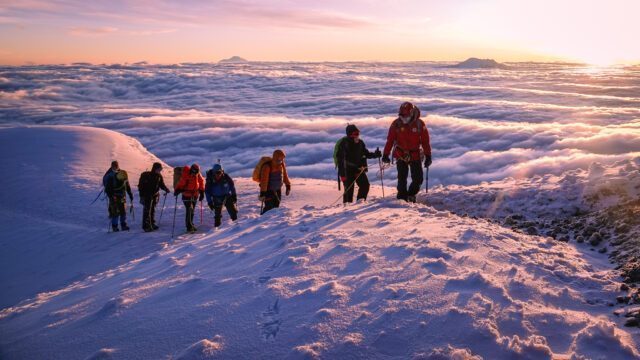
DOWNLOAD YOUR Chimborazo & Cotopaxi Expedition GUIDEBOOK
Training for Chimborazo is about becoming durable: able to move uphill for hours, recover, and repeat the effort while carrying a daypack. You do not need elite speed. You need a strong aerobic base, uphill leg strength, efficient movement and enough consistency that long mountain days feel familiar before you reach Ecuador. This 12-week framework […]
Training for Chimborazo is about becoming durable: able to move uphill for hours, recover, and repeat the effort while carrying a daypack. You do not need elite speed. You need a strong aerobic base, uphill leg strength, efficient movement and enough consistency that long mountain days feel familiar before you reach Ecuador.

This 12-week framework is a practical starting point for a healthy climber with some regular activity. Adjust it to your history, available terrain and recovery. If you are returning from injury, have a medical condition or are new to structured exercise, get appropriately qualified advice before increasing the load.
What the expedition demands
- Several days of hiking and climbing at progressively higher altitude.
- Long, steady ascents rather than short bursts of speed.
- A summit push that begins at night and continues for hours in cold conditions.
- Movement in mountaineering boots and crampons under guide instruction.
- Enough recovery capacity to eat, sleep and perform again after a demanding day.
Not sure where you stand today? Start with the benchmarks in How Fit Do You Need to Be to Climb Chimborazo?, then return here to build the gaps.
The four training priorities
1. Aerobic endurance
Most weekly work should be at a conversational effort: brisk walking, hiking, cycling, easy running, stair climbing or a combination. This builds the ability to keep moving without burning through energy early.
2. Uphill strength
Use step-ups, split squats, squats, lunges, calf raises and controlled hinge movements. The goal is not a bodybuilding session; it is resilient legs and hips that maintain good movement under fatigue.
3. Pack and descent tolerance
Progressively carry the pack you will use on the trip. Downhill training matters too: descents load the quadriceps and can expose knee, foot or blister problems that an ascent-only plan misses.
4. Movement skills and systems
If accessible, practise winter footwork, crampon movement and ice-axe basics with qualified instruction. Also rehearse eating, drinking, layering, glove use and headtorch organisation on long days.
A practical 12-week build
Weeks 1–4: establish consistency
- Three aerobic sessions each week, mostly easy and steady.
- Two short strength sessions focused on legs, hips, trunk and calves.
- One longer hike or stair session, building gradually rather than chasing exhaustion.
- At least one full recovery day each week.
Weeks 5–8: add climbing-specific load
- Keep the easy aerobic volume and add controlled uphill intervals once a week.
- Increase the long hike and introduce realistic pack weight in small steps.
- Use back-to-back weekend sessions occasionally: one long day followed by an easier endurance day.
- Continue strength, but prioritise good form and recovery over heavier numbers.

Weeks 9–10: peak specificity
- Complete your longest uphill days with the pack, footwear, food and hydration you plan to use.
- Include one or two back-to-back mountain weekends if recovery remains good.
- Practise early starts or a headtorch section so your system is familiar in darkness.
- Reduce gym volume if it interferes with key endurance days.
Weeks 11–12: taper and arrive fresh
- Reduce total volume while keeping some short, easy movement.
- Avoid last-minute fitness tests, heavy strength sessions or risky new activities.
- Prioritise sleep, nutrition, foot care, equipment checks and travel readiness.
- Arrive rested; fatigue gained at home does not improve acclimatisation.
Example training week
- Monday: rest or gentle mobility.
- Tuesday: easy aerobic session plus short strength work.
- Wednesday: hill or stair session.
- Thursday: easy aerobic recovery.
- Friday: strength and mobility.
- Saturday: long hike with progressive pack load.
- Sunday: easy hike, cycle or walk to practise moving on tired legs.
Altitude: what training can and cannot do
Fitness helps you perform the physical work, but it does not make you immune to altitude illness. Acclimatisation requires time and individual responses vary. The expedition itinerary, honest symptom reporting and guide decisions remain essential. Never use a strong fitness test as permission to ignore concerning symptoms.
Signs the plan needs adjusting
- Persistent fatigue, declining performance or poor sleep across several days.
- Pain that changes your movement rather than normal training stiffness.
- Repeated inability to recover before the next key session.
- A rapid increase in pack weight, climbing volume or intensity.
Build patiently and check the whole expedition context in the Chimborazo and Cotopaxi planning guide. The live trip page explains how those training demands fit into the ten-day itinerary.
Expert review
Reviewed by
Dr. Nima Namgyal Sherpa
Mountaineering guide and expedition doctor
Dr. Nima is LHO’s high-altitude and wilderness medicine reviewer. He has reviewed the altitude-related medical and physiological guidance in this article.
CONTINUE YOUR RESEARCH







ABOUT THE AUTHOR

Elie Abi Akar
Elie is the Base Camp Chief at Life Happens Outdoors, orchestrating every adventure from first step to summit. He believes the outdoors offer something essential which is a space to disconnect from routine and reconnect with what truly matters. His mission is simple: to make every journey feel meaningful and unforgettable.