Outdoor Skills & Safety | BY Rami Rasamny | PUBLISH DATE: September 13 2024 | READ TIME: 3 mins | UPDATED DATE: June 05 2026
Is Aconcagua a Technical Summit?
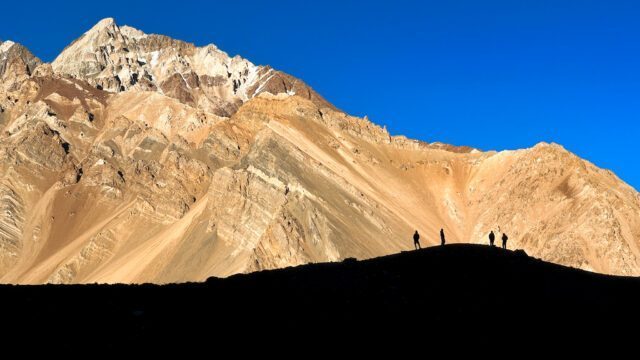
Mount Aconcagua, standing at 6,959 meters (22,831 feet), is the highest peak in the Western Hemisphere and a magnet for climbers from around the globe. Located in the Andes mountain […]
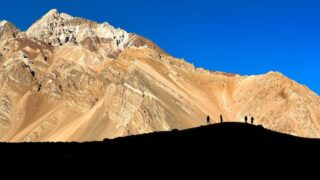
Mount Aconcagua, standing at 6,959 meters (22,831 feet), is the highest peak in the Western Hemisphere and a magnet for climbers from around the globe. Located in the Andes mountain range in Argentina, Aconcagua presents a formidable challenge due to its altitude and weather conditions. However, a frequent question among potential climbers is whether Aconcagua qualifies as a technical summit.
Understanding Technical Climbing
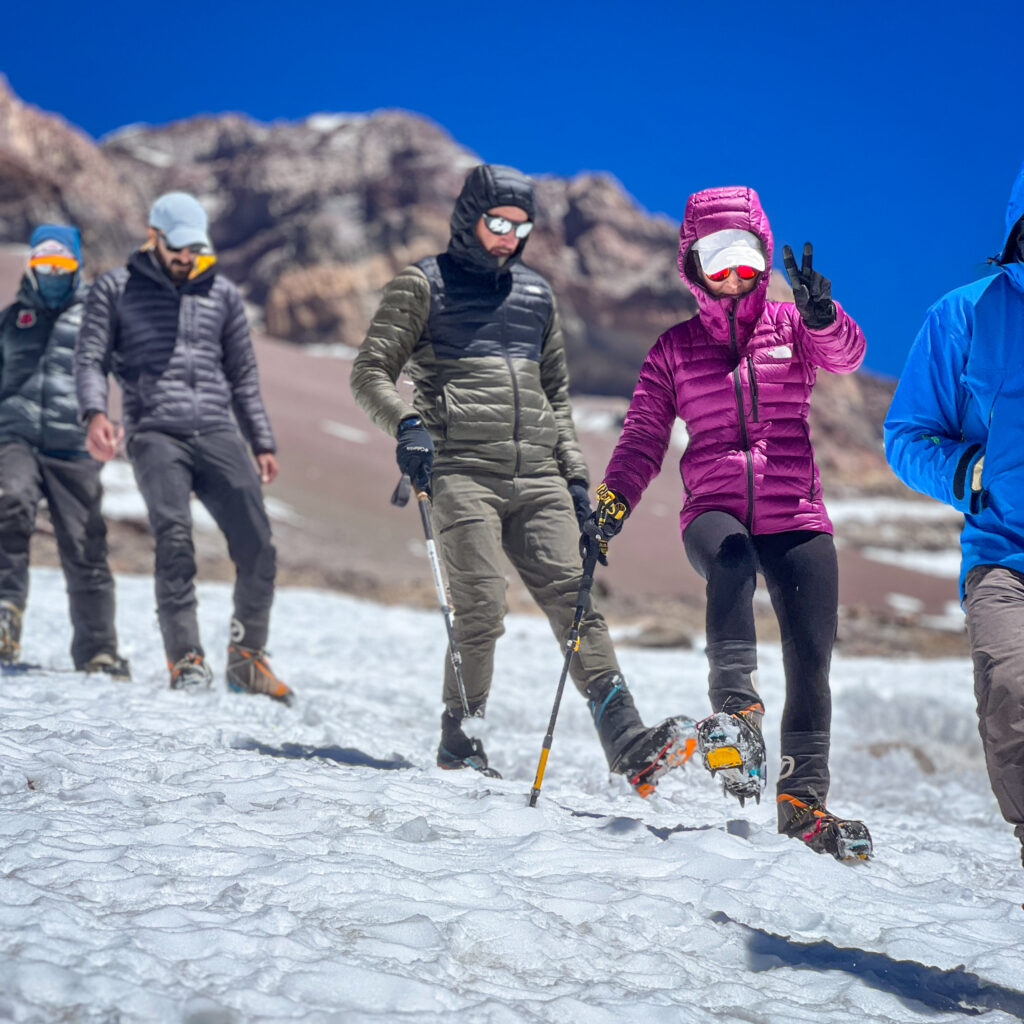
To determine if Aconcagua is a technical summit, it’s essential to understand what constitutes technical climbing. Technical climbing involves the use of specialized equipment and techniques to navigate rock, ice, and mixed terrains. This includes the use of ropes, harnesses, carabiners, ice axes, and crampons. Climbers must often possess skills in rock climbing, ice climbing, and crevasse navigation.
The Normal Route
The most popular route on Aconcagua, known as the Normal Route (or the Northwest Ridge), does not require technical climbing skills. This route is primarily a long, arduous trek rather than a technical climb. The path involves significant altitude gain, but the terrain consists mostly of scree, rock, and some snowfields, which can be managed with basic mountaineering skills.
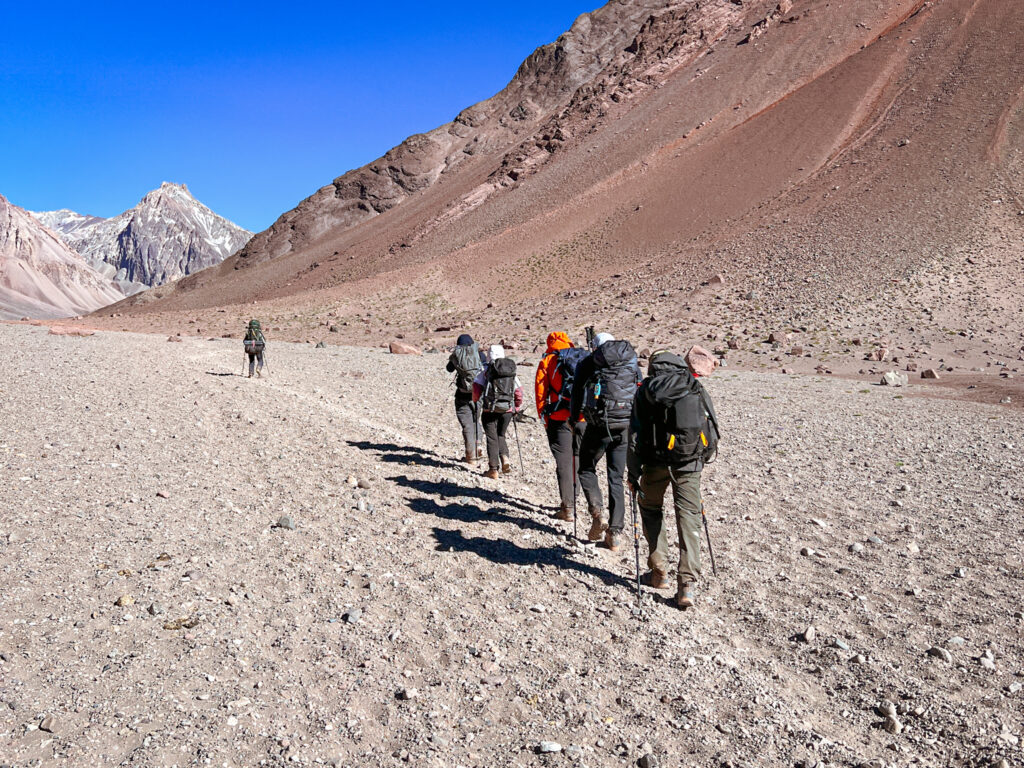
Key points about the Normal Route include:
- No Technical Climbing Gear Required: Climbers do not need ropes, harnesses, or technical ice climbing equipment.
- High Altitude Challenges: The primary difficulty comes from the altitude and the potential for altitude sickness. Acclimatization is crucial.
- Weather Conditions: Severe weather, including high winds and freezing temperatures, can make the climb dangerous. Proper gear and preparation are essential.
The Polish Glacier Route
In contrast, other routes on Aconcagua, such as the Polish Glacier Route, do involve technical climbing. These routes are less traveled and demand more advanced mountaineering skills, including:
- Ice Climbing: The Polish Glacier Route requires climbers to navigate steep ice and snow sections, necessitating the use of ice axes and crampons.
- Rope Work: Technical routes often require the use of ropes for safety and progression.
- Experience and Skills: Climbers need to be proficient in glacier travel, crevasse rescue, and other technical skills.
Conclusion
Whether Aconcagua is considered a technical summit depends largely on the route chosen. The Normal Route, which is the most frequented path, does not require technical climbing skills and is accessible to trekkers with good physical fitness and basic mountaineering knowledge. On the other hand, more challenging routes like the Polish Glacier Route demand advanced technical skills and experience.

Ultimately, while Aconcagua can be a non-technical climb, the mountain’s high altitude, severe weather, and potential for rapid weather changes should not be underestimated. Proper preparation, acclimatization, and respect for the mountain’s conditions are essential for a successful and safe ascent.
CONTINUE YOUR RESEARCH




Kilimanjaro Altitude Sickness: Diamox, Oxygen, Hydration, Pace, and What Beginners Need to Know


ABOUT THE AUTHOR

Rami Rasamny
Rami Rasamny is the founder of Life Happens Outdoors, a premium adventure travel company that uses the outdoors as a catalyst for human transformation. His work brings people into the mountains not only for challenge, but for clarity, confidence, and connection. He believes that when people answer the call to adventure truthfully, they come back different.