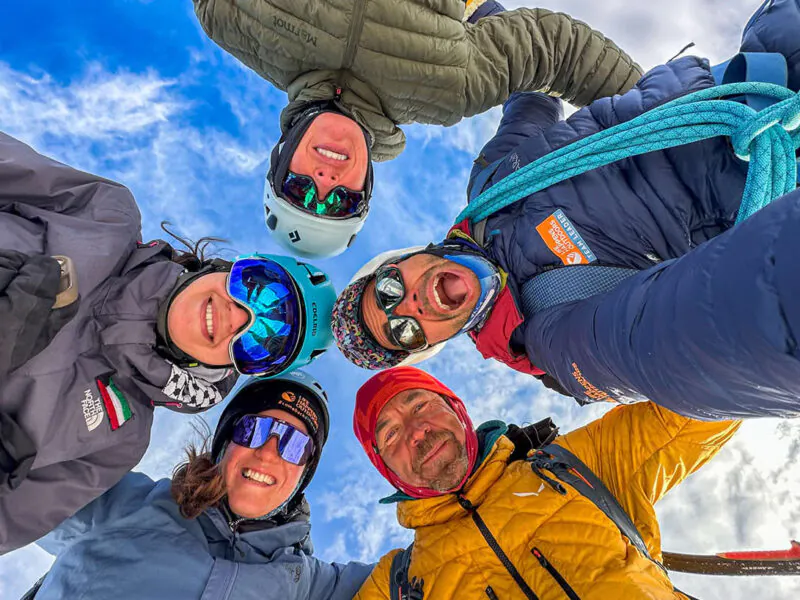
Adventure Travel Destinations | BY Elie Abi Akar | PUBLISH DATE: September 15 2025 | READ TIME: 4 mins | UPDATED DATE: June 05 2026
The Ultimate Guide to Climbing Island Peak

Understanding Island Peak Island Peak, also known as Imja Tse, stands at 6,189 meters in Nepal’s Khumbu region. It is one of the most popular trekking peaks in the Himalaya, […]
Understanding Island Peak
Island Peak, also known as Imja Tse, stands at 6,189 meters in Nepal’s Khumbu region. It is one of the most popular trekking peaks in the Himalaya, combining the beauty of a classic trek with the challenge of a mountaineering ascent. Its location, surrounded by giants like Lhotse and Ama Dablam, makes it feel like a true Himalayan expedition while still being accessible to those with limited climbing experience.
Why Climb Island Peak
Island Peak is often seen as a stepping stone to bigger mountains, but it’s also a rewarding goal in itself. The climb blends trekking through Sherpa villages, acclimatizing in the Everest region, and experiencing glacier travel and moderate alpine climbing. It’s a rare opportunity to gain mountaineering skills in one of the most iconic settings on earth.
The Route to the Summit
The journey begins with the trek to Everest Base Camp or the Gokyo Valley, routes that prepare your body for altitude. From Chukhung, climbers move into Island Peak Base Camp, and then High Camp. Summit day starts before dawn, with sections of rocky scrambling, a glacier crossing, and a final headwall to reach the summit ridge.
Skills You Need
Although Island Peak is graded as a trekking peak, it requires some technical skills:
Training should focus on:
- Using crampons on ice and snow
- Handling a fixed rope with a jumar
- Descending safely with a figure-eight or belay device
Basic knowledge of rope systems and glacier travel is highly recommended, and many teams include a training session at base camp.
Physical Preparation
- Endurance: Long hikes with a weighted pack to prepare for summit day’s 10–12 hours.
- Strength: Core and leg training to manage steep ascents and descents.
- Cardio: Running, cycling, or interval training to adapt to the sustained effort at altitude.
Best Season to Climb
The two main climbing seasons are spring (April–May) and autumn (October–November). Both offer stable weather, clear skies, and manageable snow conditions. Spring brings more climbers on the trail, while autumn tends to be cooler but quieter.
Gear Checklist
Essential items include:
- Mountaineering boots compatible with crampons
- Climbing harness, helmet, and jumar
- Ice axe and figure-eight descender
- Layered clothing system for cold nights and summit day
- Sleeping bag rated for high-altitude nights
Technical gear is often available for rent in Kathmandu, but personal boots and clothing should be brought from home for comfort and fit.
Life at Base Camp
Island Peak Base Camp sits at around 5,100 meters. Here you’ll spend a night or two acclimatizing, training, and preparing for the climb. Meals are basic but hearty, tents are simple but sufficient, and evenings are filled with briefings, gear checks, and anticipation for the climb ahead.
The Summit Experience
Summiting Island Peak is both physical and emotional. The climb is steep, demanding, and requires focus, but the reward is standing among the world’s highest mountains. From the summit ridge, views stretch across the Khumbu, with Lhotse’s massive face towering above and Ama Dablam shining in the distance.
After the Climb
Most itineraries allow time to trek back through the Khumbu at a relaxed pace. This gives you the chance to reflect on the climb, celebrate with your team, and enjoy the culture and hospitality of the Sherpa villages on the way down.
Final Thoughts
Island Peak is more than just a climb—it’s an introduction to Himalayan mountaineering, a personal challenge, and a chance to connect deeply with one of the most beautiful mountain regions in the world. With the right preparation, support, and mindset, it offers an unforgettable adventure.
Planning a trip to Nepal? Explore our complete Nepal guide covering treks, climbs, and everything you need to know.
CONTINUE YOUR RESEARCH


Kilimanjaro Altitude Sickness: Diamox, Oxygen, Hydration, Pace, and What Beginners Need to Know






ABOUT THE AUTHOR

Elie Abi Akar
Elie is the Base Camp Chief at Life Happens Outdoors, orchestrating every adventure from first step to summit. He believes the outdoors offer something essential which is a space to disconnect from routine and reconnect with what truly matters. His mission is simple: to make every journey feel meaningful and unforgettable.