Trip Planning for Treks & Climbs | BY Elie Abi Akar | PUBLISH DATE: August 22 2025 | READ TIME: 3 mins | UPDATED DATE: June 05 2026
How to Plan Trekking in Nepal
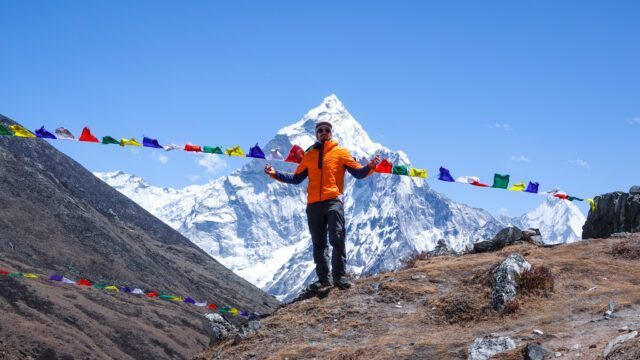
Nepal is a place that draws trekkers from all over the world. Its valleys, glaciers, and high passes offer some of the best mountain journeys on earth. But before you […]
Nepal is a place that draws trekkers from all over the world. Its valleys, glaciers, and high passes offer some of the best mountain journeys on earth. But before you set off, knowing how to plan your trek makes the difference between a rewarding adventure and a stressful experience.
Choose the Right Season
The Himalaya is shaped by the monsoon, which means timing matters. Spring, from March to May, brings warmer weather and blooming rhododendrons. Autumn, from late September to November, offers clear skies and cooler temperatures. Winter can still work for lower-altitude treks, while summer is usually best avoided because of heavy rains.
Pick a Trek That Suits You
Nepal has something for every level of trekker. If you want a shorter journey with mountain views, the Ghorepani Poon Hill trek is a classic. For longer and more challenging routes, Everest Base Camp, Annapurna Circuit, and Manaslu are world-famous. Think about how much time you have, your fitness, and how remote you want to be.
Understand Permits and Regulations
Most treks in Nepal require permits. The two most common are TIMS (Trekkers’ Information Management System) and the entry permits for conservation areas or national parks. Some treks, like Manaslu or Upper Mustang, also require a restricted area permit and a registered guide. Planning ahead ensures you won’t face delays.
Decide on Independent vs Guided
You can trek independently on many routes, arranging your own food and lodging in teahouses. However, hiring a local guide or porter adds safety, insight, and support. On certain restricted trails, guides are mandatory. Beyond logistics, guides also connect you with local culture and history in ways you might miss alone.
Prepare for Altitude
Even treks that don’t reach extreme elevations can involve altitude. Acclimatization days are not optional — they’re part of the journey. Give your body time, stay hydrated, and know the early signs of altitude sickness. Rushing only increases the risk.
Pack Smart
Good trekking boots, layered clothing, and a warm sleeping bag are essential. Weather can change quickly in the mountains, so prepare for both sun and snow. Keep your pack light but don’t cut corners on safety gear like a headlamp, first aid kit, and water purification system.
Respect the Culture and Environment
The trails take you through villages, monasteries, and sacred landscapes. Greeting people with “Namaste,” dressing modestly, and following local customs go a long way. Carry your waste out with you, and remember that every small action helps preserve the trails for those who come after.
Final Thoughts
Planning a trek in Nepal is part of the adventure itself. Choosing the right route, timing your trip well, and respecting both nature and culture will make your journey more meaningful. With preparation and the right mindset, Nepal offers treks that stay with you for a lifetime.
Planning a trip to Nepal? Explore our complete Nepal guide covering treks, climbs, and everything you need to know.
CONTINUE YOUR RESEARCH


Kilimanjaro Altitude Sickness: Diamox, Oxygen, Hydration, Pace, and What Beginners Need to Know





ABOUT THE AUTHOR

Elie Abi Akar
Elie is the Base Camp Chief at Life Happens Outdoors, orchestrating every adventure from first step to summit. He believes the outdoors offer something essential which is a space to disconnect from routine and reconnect with what truly matters. His mission is simple: to make every journey feel meaningful and unforgettable.