BY Rami Rasamny | January 07 2026
When and Where to See the Northern Lights in Norway Without Wasting Your Trip

Rami Rasamny
DOWNLOAD YOUR
Chase the Northern Lights
GUIDEBOOK
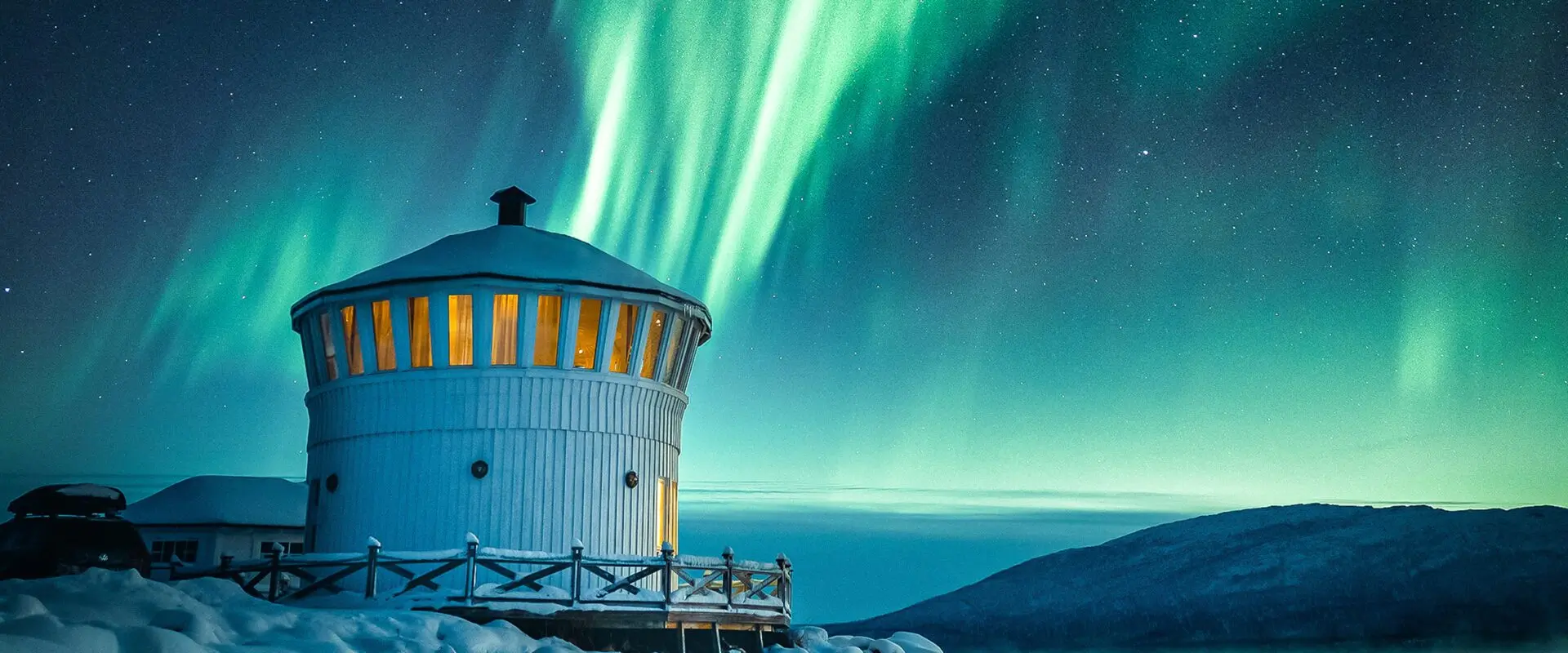
Seeing the Northern Lights in Norway is not about luck. It is about timing, location, patience, and understanding what actually improves your chances.
Every winter, travellers arrive in Norway hoping to witness the aurora borealis, only to leave disappointed. Not because the Northern Lights were not active, but because they chose the wrong month, the wrong region, or built an entire trip around a single moment in the sky.
This guide explains exactly when and where to see the Northern Lights in Norway, how many nights you realistically need, and what “chasing” the aurora truly means, so you can plan a trip that delivers depth even beyond the lights themselves.
What Are the Northern Lights and Why Norway Is One of the Best Places to See Them
The Northern Lights, also known as the aurora borealis, occur when charged particles from the sun collide with gases in Earth’s atmosphere near the poles. These interactions create the flowing green, purple, and pink displays that appear across the Arctic night sky.
Norway lies directly beneath the auroral oval, the zone where auroral activity is most frequent. Combined with low light pollution, dramatic Arctic landscapes, and reliable winter infrastructure, Norway is one of the most dependable countries in the world for seeing the Northern Lights.
When Can You See the Northern Lights in Norway
The Best Months to See the Northern Lights

The Northern Lights are only visible when the sky is dark. That immediately defines the season.
In Norway, the aurora season runs from late September to early April.
October through March offers the most consistent conditions, with November, December, January, and February providing the longest nights and highest chances.
September and March can still deliver strong displays, particularly around the equinoxes, though daylight returns quickly.
From May through August, the midnight sun makes aurora viewing impossible, regardless of solar activity.
Darkness Matters More Than Solar Cycles
While solar activity follows an eleven year cycle, you do not need a solar maximum to see the Northern Lights in Norway.
What matters far more is being present during the dark months, staying several nights, and positioning yourself under clear skies. Even during moderate solar periods, aurora displays occur frequently across Northern Norway in winter.
Where to See the Northern Lights in Norway
Tromsø
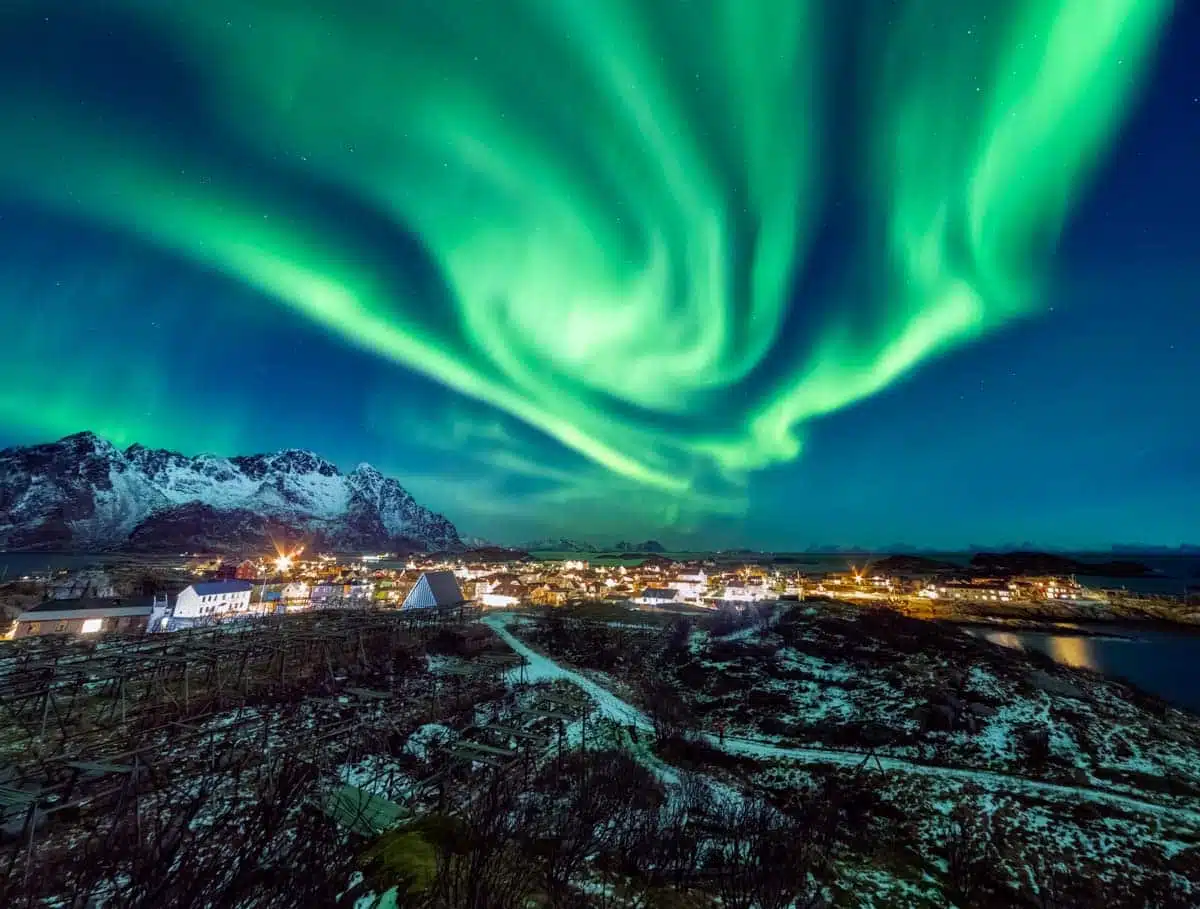
Tromsø is often referred to as the aurora capital of Norway. Located well above the Arctic Circle, it sits directly beneath the auroral oval and offers excellent access to fjords, islands, and inland valleys where cloud cover can be avoided.
It combines high aurora potential with strong infrastructure, cultural life, and easy access to varied viewing locations.

Senja
Often described as one of Norway’s most underrated Arctic destinations, Senja offers exceptional Northern Lights potential with far fewer crowds.
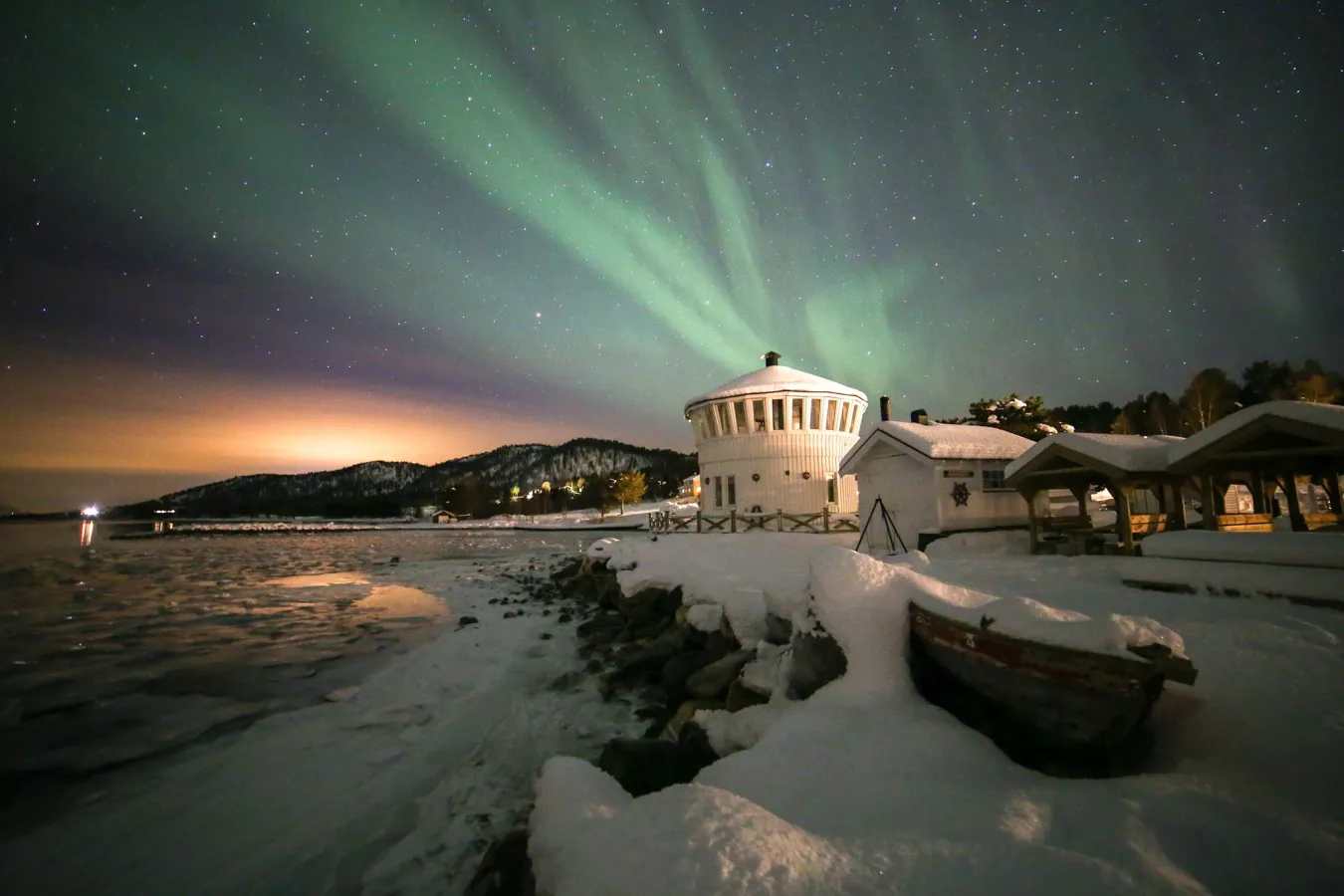
The island’s geography provides flexibility when chasing clear skies, with dramatic mountains, fjords, and coastal viewpoints spread across a compact area. Light pollution is minimal, and weather systems vary enough across the island to allow real time adaptation.
Senja is particularly well suited to travellers seeking a deeper, more immersive Arctic experience that balances aurora viewing with wild landscapes and space to breathe.
Lofoten Islands
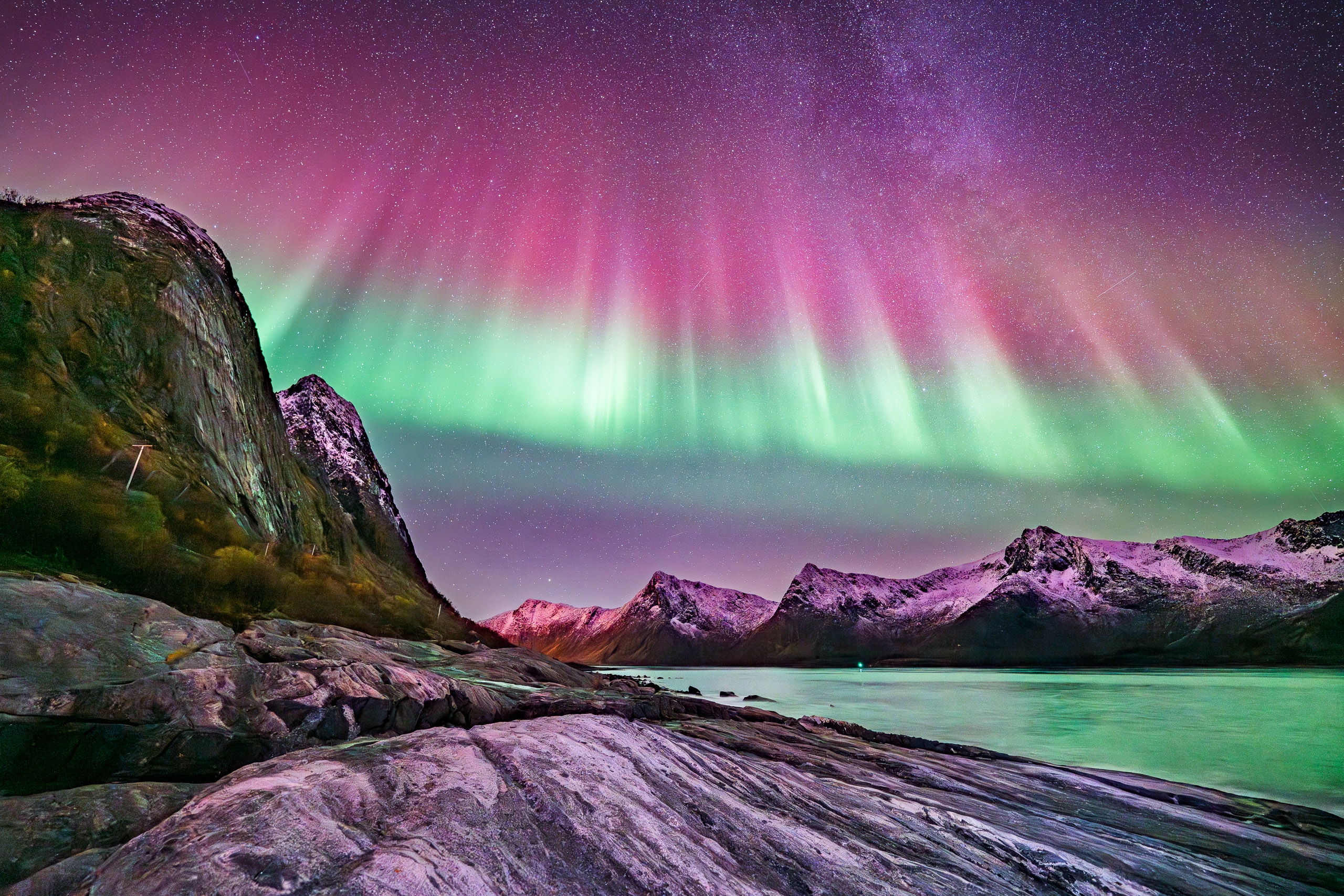
The Lofoten Islands offer one of the most striking backdrops for the Northern Lights anywhere in the world. Sharp peaks rise straight from the sea, and traditional fishing villages glow beneath the night sky.
The tradeoff is weather. Lofoten’s exposed coastal position means cloud cover can be unpredictable, making flexibility and multiple nights essential.

Northern Norway Versus Southern Norway
Southern Norway rarely experiences visible aurora activity. While intense solar storms can push the lights south, planning a trip around this possibility is risky.
If seeing the Northern Lights is your goal, Northern Norway is essential.
How Many Nights Do You Actually Need
This is where most trips fall short.
One night is rarely enough.
Three nights offer a reasonable chance.
Four to five nights significantly improve your odds.
Six or more nights provide the strongest opportunity.
Aurora viewing depends on changing weather, cloud cover, and solar conditions. Staying multiple nights allows you to adapt rather than rely on hope.
What “Chasing the Northern Lights” Really Means
Chasing the aurora does not mean standing in one place and waiting.
It means monitoring cloud cover and weather systems, then adjusting location accordingly. Some nights that means heading inland, other nights it means following clearer coastal skies, and sometimes it means patience until clouds break.
Local knowledge and flexibility are critical. The lights may appear suddenly and fade just as quickly.
Why the Best Northern Lights Trips Are Not Only About the Lights
One of the most common mistakes travellers make is building an entire trip around a single natural phenomenon.
The Northern Lights appear at night and on their own terms. Designing a journey that depends emotionally on that moment often leads to disappointment.
The most fulfilling Northern Lights trips treat the aurora as part of a wider Arctic experience.
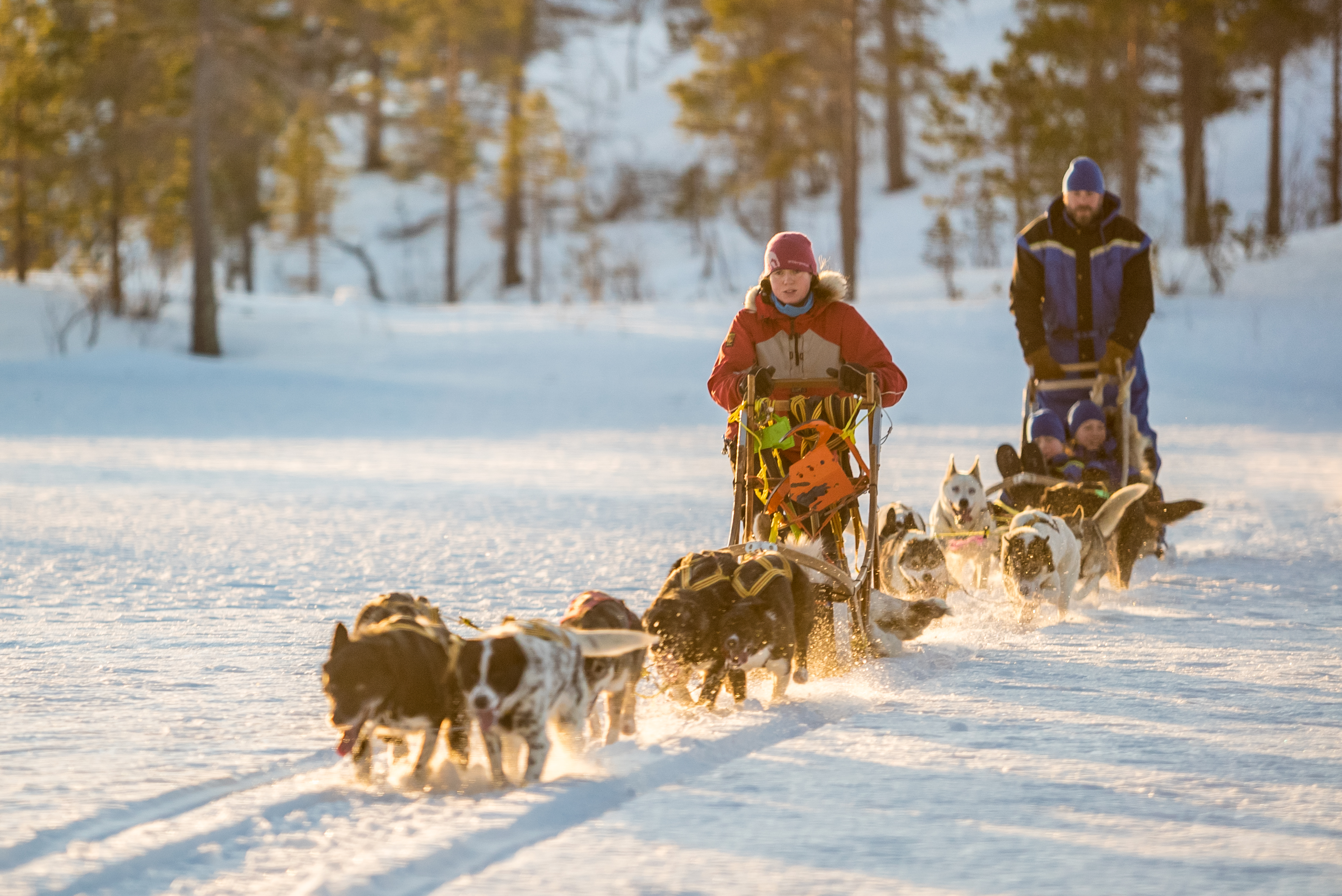
Winter in Northern Norway offers far more than the night sky. Dog sledding through silent forests, winter kayaking among frozen fjords, and snowshoe or winter trekking across Arctic terrain create meaning and momentum during daylight hours.
When the lights do appear, they feel like a natural culmination rather than a judgement on the trip’s success.
Why Going With a Curated Operator Improves the Experience
Travelling independently can work, but it requires experience, confidence, and constant decision making.
Understanding Arctic weather patterns, knowing where cloud cover tends to linger, and adapting plans nightly takes local knowledge.
A curated Northern Lights journey removes the guesswork. Logistics are handled, flexibility is built in, and your days are designed to be as rich as your nights. Even on quieter aurora evenings, the experience remains active, immersive, and grounded in place.
Setting the Right Expectations
Even in Norway, the Northern Lights are a natural phenomenon.
They cannot be guaranteed.
They do not appear on schedule.
They reward patience.
What can be controlled is timing, location, duration, and how the journey itself is designed. When those elements align, your chances increase dramatically.
Final Thoughts
If you are asking when and where to see the Northern Lights in Norway, you are already planning wisely.
Choose winter.
Choose Northern Norway.
Stay multiple nights.
Build a trip that offers depth beyond the sky.
When approached with intention, a Northern Lights journey becomes more than a chase. It becomes an immersion into the Arctic, its landscapes, and its quiet power.
About The Author
Rami Rasamny is the founder of Life Happens Outdoors, a premium adventure travel company that uses the outdoors as a catalyst for human transformation. His work brings people into the mountains not only for challenge, but for clarity, confidence, and connection. He believes that when people answer the call to adventure truthfully, they come back different.
About Life Happens Outdoors
At Life Happens Outdoors, we believe in the power of nature to transform lives. As proud members of the Adventure Travel Trade Association (ATTA) and the World Travel & Tourism Council (WTTC), our team of certified guides and outdoor professionals is committed to the highest standards of safety, sustainability, and excellence.
Discover more about our story and mission on our Meet LHO page, or explore our curated adventures such as the Tour du Mont Blanc Trek, the Climb of Kilimanjaro, and Chasing the Northern Lights.