BY Rami Rasamny | February 05 2026
What Am I Paying For? Why Premium Adventure Trips Cost More in Kilimanjaro, Nepal, the Alps, and Norway

Rami Rasamny
If you have ever searched “how much does it cost to climb Kilimanjaro” or “Everest Base Camp trek cost” you already know the problem. The results are all over the place.
That is not because someone is lying. It is because two trips can share the same destination and still be completely different services and experiences.
One operator sells you access to a route. Another sells you a full safety system, a logistics engine, and a team experience designed to help you come back different.
This guide breaks down what typically drives the price gap between bare bones and premium adventure operators, then applies it to four of our hero regions: Kilimanjaro, Nepal, the Alps, and Norway.
The simplest way to compare trips
When you see a low price, ask this question:
Is this quote built to get me onto the mountain, or built to get me up and back safely, consistently, and with the experience fully looked after?
Here are the most common cost drivers that separate budget from premium.
1. Safety margins and decision making
Premium operators price in the ability to say no. Weather days, reroutes, extra support, extra nights, and conservative calls should not become a financial crisis for the operator when conditions change.
2. Guide ratios and guide calibre
Smaller guide ratios cost more, but they buy you attention, better pacing, earlier problem detection, and faster response when something goes off plan.
3. A well treated local team
On most mountains, your experience rests on local guides, porters, drivers, cooks, and coordinators. Ethical pay, correct insurance, good gear, and proper staffing levels are real costs. They are also non negotiable if you want a sustainable model.
4. Logistics that remove friction
Premium trips reduce decision fatigue. Transfers, accommodation, contingency moves, permits, and operational details are handled so you can focus on the challenge.
5. Contingencies for known failure points
Some destinations have predictable issues. Lukla flight delays. Mont Blanc weather closures. Arctic storms. Premium operators plan for these from day one.
6. Food, hydration, and recovery
At altitude, nutrition is not a luxury. It is performance and risk management.
7. Medical kit, communications, and escalation pathways
Oxygen systems, satellite comms, pulse oximeters, trained staff, and clear evacuation protocols add cost, but they also reduce risk and improve outcomes.
8. Comfort in the right places
Comfort is not about being pampered. It is about sleeping, recovering, and staying healthy so you can perform when it matters.
9. The human experience
The best trips are led, not just guided. The difference shows up in briefings, team culture, problem solving, and how supported you feel throughout.
Now, let’s apply this to each destination.
Kilimanjaro: why prices vary wildly
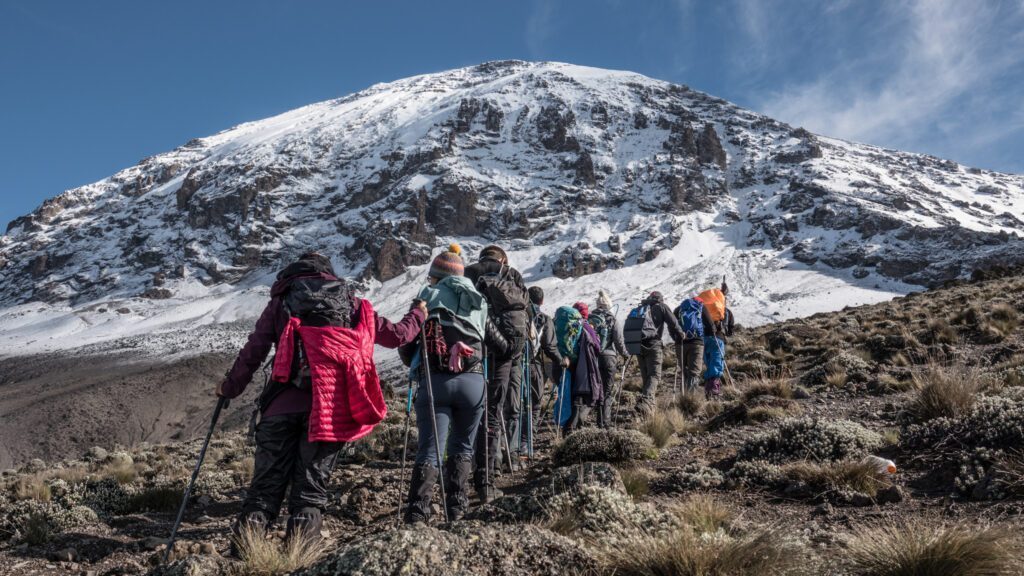
Kilimanjaro is one of the clearest examples of price spread. You will find quotes in the low thousands and others that climb much higher depending on route length, staffing model, equipment, and comfort.
What your price is paying for on Kilimanjaro
Park fees and compliance
Kilimanjaro has meaningful mandatory park costs, including daily conservation fees, overnight fees, and rescue fees, plus VAT on many tariffs. These fees exist regardless of operator and they add up fast.
If a quote looks unrealistically low, the first thing to question is whether everything is truly included, or whether corners are being cut somewhere in staffing, welfare, equipment, or transparency.
Route design and acclimatisation
Longer routes generally cost more because you are paying for more days of crew, food, park fees, and logistics. But those extra days also often improve acclimatisation and experience quality.
Crew size, welfare, and service levels
Your mountain team is your engine. Fair pay, proper gear, adequate staffing, and realistic loads cost more than a minimal crew model.
Safety equipment and systems
Look for oxygen, medical kits, oximeters, trained guide protocols, and clear decision making. Some operators include these as standard. Others treat them as upgrades or do not invest properly.
The premium difference on Kilimanjaro
A premium Kilimanjaro operator is not selling you a summit photo. They are selling you a safer process: better pacing, better monitoring, better nutrition, stronger decision making, and a team experience that is structured to improve your chances without forcing a one size approach.
Nepal: Everest Base Camp and the real cost of reliability

Everest Base Camp is logistically complex. Prices vary based on how much support is included, the level of comfort, and how robust the operator is when the Himalaya does what the Himalaya does.
What your price is paying for in Nepal
Flights and the Lukla reality
Kathmandu to Lukla flights are a known pinch point. Delays happen. Premium operators plan for disruption with strong local coordination and clear contingency pathways.
Permits and admin handled properly
The permits themselves are not usually the expensive part. What matters is that paperwork is done correctly and you are not left troubleshooting in Kathmandu.
Local coordination that reduces stress
A proper Nepal operation includes an on the ground coordinator, real time problem solving, and a support system for joiners and their families when reception is limited.
Guide quality, porter care, and group management
EBC is not technical climbing, but it is still high altitude. Guide competence, pacing, and monitoring make a huge difference to experience and outcomes.
Accommodation choices that support recovery
Premium does not have to mean luxury. It means the right balance of comfort and authenticity so you sleep, eat, and acclimatise better.
The premium difference on EBC
The price gap often buys you fewer weak links. Better logistics around flights and weather. Better group leadership. Better pacing and monitoring. Better hotels and support in Kathmandu. Better tea houses on the trail. Less uncertainty when plans change.
The Alps: Mont Blanc is a weather and logistics game
Mont Blanc is iconic, but it is not a guaranteed summit week. Weather, wind, heat, rockfall risk, and hut logistics can change fast. That is why premium Alps operators price in flexibility and alternatives.
What your price is paying for in the Alps
Guide ratio and route choice
Many Mont Blanc programs run at one guide to two climbers for the summit phase for good reason. It is the difference between close supervision and a stretched system.
Hut bookings and timing
Hut availability is limited and nominative in many cases. Operators that plan early and manage bookings well save you a lot of friction and disappointment.
Contingency objectives
A premium Mont Blanc week should not collapse if Mont Blanc is not safe. The Alps are full of major objectives and excellent alternatives. Building those options into the program is a value driver, not a marketing line.
Seamless logistics
Transfers, lift plans, valley accommodation, and equipment planning add up. Premium operators tend to make the whole week feel joined up rather than fragmented.
The premium difference in the Alps
You are paying for an operator that can pivot intelligently, keep the objective meaningful, and preserve safety margins without surprise costs or last minute chaos.
Norway: high cost country, high reward adventure
Norway can look expensive on paper, and often it is. That is partly because the cost base is higher, and partly because Arctic and coastal environments demand strong operational standards.
What your price is paying for in Norway
Remote logistics and transport
Getting to the right places at the right times is half the product. Transfers, boats, weather windows, and local coordination all matter.
Qualified leadership in fast changing conditions
Coastal wind, snow, darkness, and rapidly shifting forecasts are normal in Arctic Norway. Strong leaders reduce risk and increase the quality of the experience.
Accommodation and meals
Norway is not a cheap country for hospitality. Premium trips tend to choose accommodation that supports recovery and puts you in the right locations for the objectives.
Experience design
In Norway, the difference is often the craft of the itinerary: timing, photography conditions, pacing, and the balance between challenge and comfort.
The premium difference in Norway
You are paying for better positioning, better leadership, and fewer compromises in a place where compromise can quickly become discomfort or risk.
A quick checklist for comparing any quote
Copy this into your notes and use it on every operator you shortlist.
- Are all permits, park fees, and admin included
- Are airport transfers included
- What is the guide ratio on the hardest day
- What safety equipment is included and who is trained to use it
- What is the contingency plan when weather or logistics fail
- What meals are included and what does hydration look like day to day
- Are tips included or clearly explained
- Are there extra charges you only discover in destination
- Who do your family contact if they cannot reach you
- What does success look like beyond a summit photo
Where Life Happens Outdoors fits in
Our premium is not about luxury for luxury’s sake. It is about building an experience that feels seamless, safe, and genuinely human.
Across these destinations, our model focuses on:
- Airport to airport logistics so the trip feels held from the start
- Strong local partnerships with a real duty of care
- Thoughtful guide selection that fits our community culture
- Clear safety systems, conservative decision making, and contingency planning
- Nutrition, pacing, and preparation that respects the science and the individual
- A team led experience where you feel supported, not processed
If you want the cheapest route to a location, we will never be the right fit. If you want the best chance of a well run experience, with no hidden surprises, and a team you can trust, that is exactly what you are paying for.
FAQs
Why do Kilimanjaro prices vary so much?
Route length, staffing levels, crew welfare, safety systems, equipment, and what is truly included. Park fees and VAT also materially impact the base cost.
Is a premium operator safer?
Not automatically. You still need to check guide ratios, safety equipment, protocols, and contingencies. Premium should mean stronger safety margins and better systems, but you should verify the details.
Why is Mont Blanc not guaranteed in a summit week?
Because conditions change quickly in the Alps and the normal routes can become unsafe due to weather, wind, heat, and rockfall risk. A well designed week includes meaningful alternatives.
Why is Norway expensive compared to other destinations?
Higher local cost base, remote logistics, and the reality of operating safely in Arctic or coastal environments.
What hidden costs should I watch for?
Transfers, tips, gear rental, extra hotel nights due to delays, meals not included, and permit or park fees that were not truly covered in the quote.
About The Author
Rami Rasamny is the founder of Life Happens Outdoors, a premium adventure travel company that uses the outdoors as a catalyst for human transformation. His work brings people into the mountains not only for challenge, but for clarity, confidence, and connection. He believes that when people answer the call to adventure truthfully, they come back different.
About Life Happens Outdoors
At Life Happens Outdoors, we believe in the power of nature to transform lives. As proud members of the Adventure Travel Trade Association (ATTA) and the World Travel & Tourism Council (WTTC), our team of certified guides and outdoor professionals is committed to the highest standards of safety, sustainability, and excellence.
Discover more about our story and mission on our Meet LHO page, or explore our curated adventures such as the Tour du Mont Blanc Trek, the Climb of Kilimanjaro, and Chasing the Northern Lights.