BY Rami Rasamny | May 28 2024
How Long Does It Take to Climb Mont Blanc?

Rami Rasamny
If you have ever searched “how long does it take to climb Mont Blanc”, you have probably seen answers ranging from two days to a full week. Both can be true, depending on what you are counting. The classic Goûter Route summit push is usually planned over three days and two hut nights. But if you want to climb Mont Blanc properly, with acclimatisation, skills, and weather flexibility, most people should allow five to eight days.
Mont Blanc is not just a long walk at altitude. It is a true alpine climb where fitness, acclimatisation, weather, hut availability, route conditions, and technical confidence all affect the timeline. A short ascent can work for someone already acclimatised and experienced. For most first time Mont Blanc climbers, a longer summit course is safer, more realistic, and usually more enjoyable.
The Short Answer
Most Goûter Route ascents are climbed over three days with two nights in mountain huts. In real life, your total timeline should also include acclimatisation because the mountain does not care how fit you are at sea level.
A simple way to think about it is this:
| Type of climb | Typical duration | Best for |
| One night ascent | 2 days | Very fit, experienced, already acclimatised climbers |
| Classic Goûter Route ascent | 3 days | Strong climbers with some preparation and good conditions |
| Skills and acclimatisation course | 5 to 6 days | Climbers who need training and altitude exposure |
| Full summit course | 7 to 8 days | First time Mont Blanc climbers who want the safest and most complete experience |
For most people joining a guided Mont Blanc course, the most realistic answer is not simply “two or three days.” It is closer to one week once you include preparation, sleeping high, skills practice, and a sensible weather window.
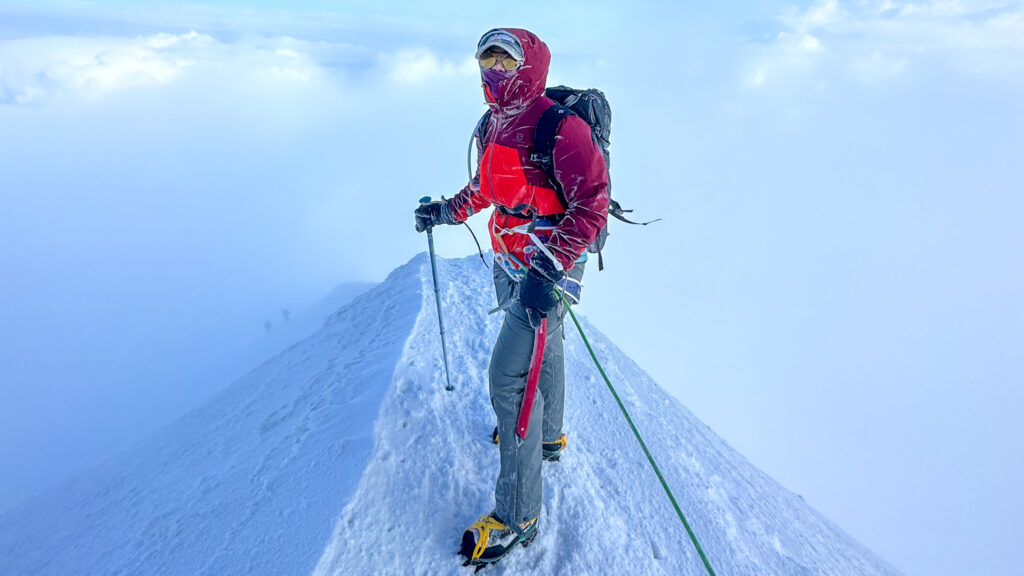
How Many Days Does It Really Take to Climb Mont Blanc?
Mont Blanc can technically be climbed in different timeframes, but each timeline carries a very different level of risk and suitability. The main mistake is counting only the final summit push and ignoring everything required to make that push safe and realistic.
Most climbers fall into one of four categories:
- A two day ascent for already acclimatised and experienced climbers.
- A three day ascent for strong hikers or climbers using the classic Goûter Route hut system.
- A five to six day course that includes training, acclimatisation, and glacier skills.
- A seven to eight day summit course designed to maximise safety, confidence, and summit chances.
The right choice depends less on ambition and more on preparation. If you are already acclimatised, technically confident, and used to long alpine days, a shorter plan may be possible. If you are new to mountaineering or arriving from sea level, building in more time is not a luxury. It is part of the climb.
The Classic Goûter Route Timeline
The Goûter Route is the most common route to the summit of Mont Blanc. It usually revolves around two huts:
- Tête Rousse Hut
- Goûter Hut
Most climbers spend two nights split between these huts, although the exact sequence depends on weather, hut availability, guide strategy, and team condition. The important point is that the classic Goûter summit push is usually two nights on the mountain, but the order can shift around the conditions.
A Typical Three Day Flow
| Day | Typical plan | Main purpose |
| Day 1 | Approach the mountain and sleep at Tête Rousse Hut | Settle in, hydrate, eat, and begin adapting |
| Day 2 | Move higher to Goûter Hut | Position the team for summit night |
| Day 3 | Summit attempt and descent | Climb early, summit, then descend as conditions allow |
This is the standard structure many people mean when they say Mont Blanc takes three days. It is a mountain phase, not a full preparation plan.
Common Hut Combinations on Mont Blanc
The hut system is one reason Mont Blanc timelines can sound confusing. Different teams may describe their climbs differently even when they are using the same broad route.
One Night at Tête Rousse and One Night at Goûter
This is one of the most common structures because it breaks the climb into manageable sections. You avoid rushing straight to the higher hut on the first day, and you give the body a more progressive introduction to altitude.
Two Nights Based Around Goûter
Some teams prefer to base higher if they are already acclimatised and the weather window supports it. This can make the summit push more efficient, but it requires good planning and a strong team.
Two Nights Based Around Tête Rousse
This can happen when conditions, hut availability, or guide strategy make a lower base more sensible. It may also give a team more flexibility if the weather window is uncertain.
The key takeaway is simple. The classic Goûter Route ascent is usually planned around two hut nights, but the exact hut combination can change.
Can You Climb Mont Blanc in Two Days?
Yes, Mont Blanc can be climbed in two days, but this is not the right plan for most people. A two day guided climb usually follows a direct structure.
| Day | Plan |
| Day 1 | Start at Nid d Aigle and climb to Goûter Hut |
| Day 2 | Start before sunrise, climb to the summit, then descend all the way back to Nid d Aigle |
This option suits climbers who are already acclimatised, have strong alpine movement skills, can sustain long efforts at altitude, and are comfortable moving efficiently on exposed terrain.
For anyone arriving without acclimatisation, this format is generally not recommended. Moving quickly does not protect you from altitude. In many cases, it makes the altitude challenge harder.
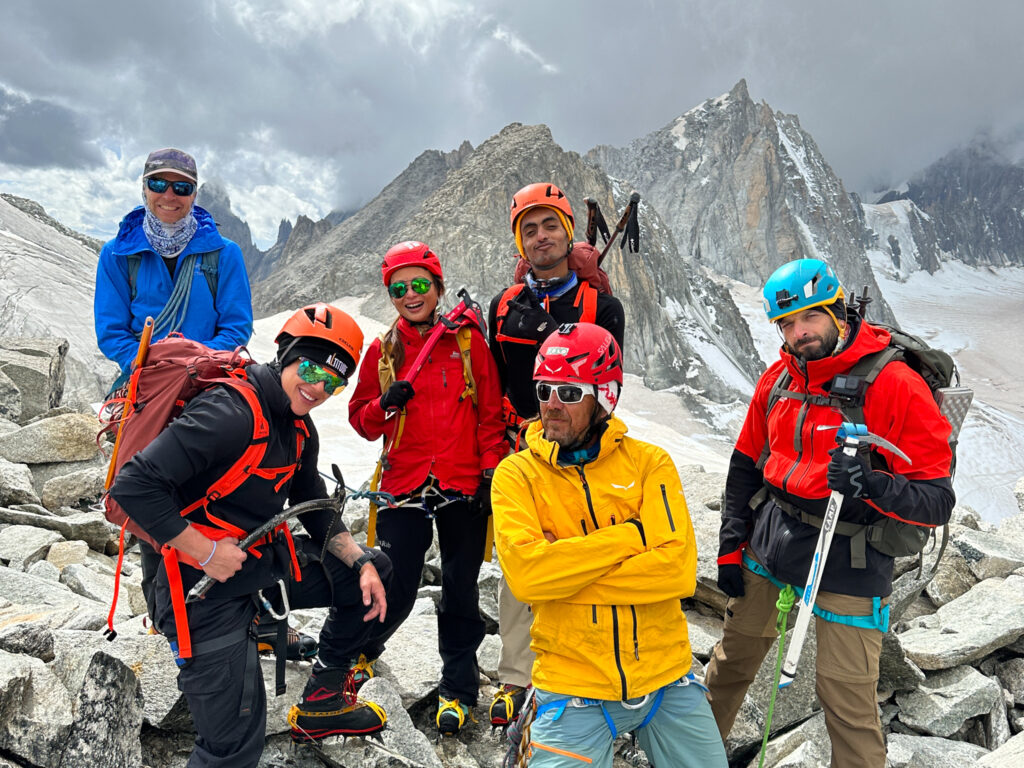
How Long Is Summit Day on Can You Climb Mont Blanc in One Night?
Stronger, more experienced climbers can sometimes climb Mont Blanc with a single hut night. A typical one night structure might involve climbing to Goûter Hut, sleeping, summiting the next morning, and descending.
This is still a serious undertaking. It requires excellent fitness, efficient movement, solid conditions, and previous altitude exposure. It also does not replace acclimatisation. A climber who is strong at sea level can still struggle badly above 4,000 metres if the body has not had time to adapt.
For most people, a one night plan is not a clever shortcut. It is a higher pressure strategy that leaves very little room for fatigue, poor sleep, weather changes, or altitude symptoms.
The Three Day Mont Blanc Climb
A three day climb spreads the effort more evenly than a two day ascent and usually gives climbers a better experience. It is still a relatively short itinerary, but it gives more breathing room than a direct two day plan.
A typical three day climb via the Goûter Route looks like this:
| Day | Plan |
| Day 1 | Climb to Tête Rousse Hut |
| Day 2 | Move to Goûter Hut and rest before summit night |
| Day 3 | Climb to the summit and descend back toward Nid d Aigle |
Many climbers choose this option because it offers better rest, a more manageable pace, more time to adapt to altitude, and less pressure on summit day. For strong hikers who already have some alpine preparation, this can be a realistic short itinerary.
However, three days still does not replace a proper acclimatisation programme. It is the mountain ascent phase, not the full journey for someone arriving without prior altitude exposure.
Why Acclimatisation Changes Everything
Most timelines you read online miss the most important point. Your body needs time at altitude.
Mont Blanc rises to 4,805 metres. At that height, even fit people can feel slow, tired, headachy, or nauseous if they have not acclimatised properly. Fitness matters, but it is not the same as altitude adaptation.
Sleeping high before the summit attempt helps you:
- Sleep better before summit night.
- Move more efficiently at altitude.
- Reduce the risk of altitude related issues.
- Make better decisions when tired.
- Enjoy the climb rather than simply endure it.
This is why many experienced operators recommend spending time above 3,000 metres before stepping onto the Goûter Route summit attempt. A longer itinerary is not about making the trip feel bigger. It is about arriving at the key moment ready.
Five to Eight Day Mont Blanc Courses with Acclimatisation
If you are new to mountaineering or arriving without acclimatisation, the most realistic timeline is a course that includes training days, glacier movement, and altitude exposure before the summit attempt.
A typical five to eight day programme includes:
- Two to three days of skills training, glacier travel, and acclimatisation climbs.
- A descent for rest and recovery before the main summit attempt.
- Two or three days dedicated to the ascent of Mont Blanc via the Goûter Route.
- Additional time for weather and contingency if the programme is seven or eight days.
This structure offers significant advantages. You arrive with better acclimatisation, more confidence, stronger technical preparation, and a better understanding of how your body is responding. It also gives your team more flexibility if the weather does not line up perfectly on the first possible summit day.
For many first time climbers, this is the difference between just attempting Mont Blanc and giving yourself a serious chance of climbing it well.
The Life Happens Outdoors Approach
At Life Happens Outdoors, we treat Mont Blanc as a course, not a single climb.
A proper Mont Blanc journey should give you time to learn the skills, sleep high, and build confidence before you step onto the Goûter Route. One way we do this is by spending two nights in the Torino Hut above 3,000 metres, using those days to build altitude exposure and technical confidence.
During this preparation phase, the team can work on:
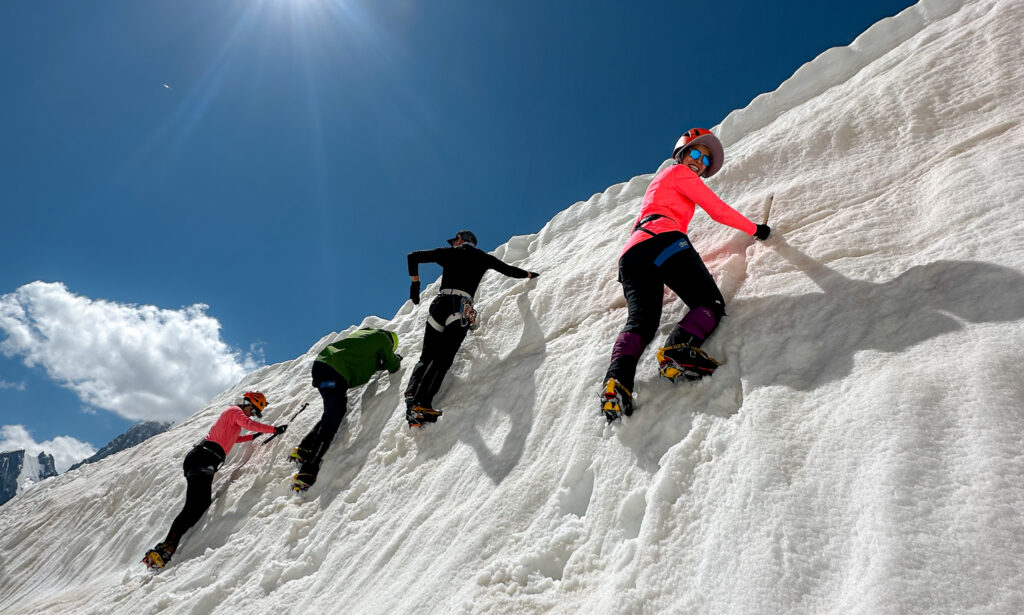
- Core skills and glacier movement fundamentals.
- Rope team movement.
- Crampon technique.
- Pacing at altitude.
- A first acclimatisation objective.
- A second objective that reinforces confidence and decision making.
After that, the team descends for a proper night of rest in the valley before attempting Mont Blanc over the classic hut based ascent.
This gives climbers a far better chance of arriving on summit night feeling ready, steady, and present. It also reflects the way we believe big mountains should be approached: with patience, preparation, and respect.
<a href=”https://lifehappensoutdoors.com/trip/climb-mont-blanc/”>Explore the Mont Blanc Summit Course</a>
How Long Is Summit Day on Mont Blanc?
Summit day from the Goûter Hut is demanding. The exact timing depends on conditions, team pace, weather, snow quality, and how well acclimatised you are, but most climbers should expect a long day.
A realistic summit day can look like this:
| Section | Typical time |
| Goûter Hut to summit | 4.5 to 6 hours |
| Summit back to Goûter Hut | Around 2 hours |
| Full descent back toward Nid d Aigle | Often 10 to 12 hours total |
This is not a day where speed alone matters. Steady pacing, efficient movement, calm decision making, and proper altitude preparation are far more important. A climber who starts too fast can pay for it later when the descent still demands focus.
Choosing the Right Length for Your Guided Mont Blanc Climb
Choose a Two Day Climb If
A two day climb may suit you if you are already acclimatised, very fit, technically confident, and comfortable with exposed alpine terrain. It is the most direct option, but it gives the least margin.
This is not the right choice for most first time Mont Blanc climbers.
Choose a Three Day Climb If
A three day climb may suit you if you want a realistic short itinerary and already have a good base of fitness and preparation. It gives more rest than a two day climb and makes the summit push more manageable.
This is often the shortest structure that still feels sensible for a prepared climber.
Choose a Five to Eight Day Course If
A longer course is the best choice if you are new to mountaineering, arriving without acclimatisation, or want the highest possible chance of a safe and successful summit attempt. It gives you time to learn, adapt, build confidence, and wait for the right conditions.
For most people climbing Mont Blanc for the first time, this is the right approach.
So How Many Days Should You Actually Plan For?
If you only count the summit push on the Goûter Route, plan for three days and two nights.
If you want the experience most climbers actually need for a safe and enjoyable attempt, plan for a longer itinerary that includes acclimatisation, skills, and weather flexibility.
If you are joining a structured summit course, five to eight days is the more realistic answer. It gives you more than a summit attempt. It gives you the preparation to understand what you are doing and why it matters.
For a deeper look at routes, training, gear, season, and preparation, read our complete guide to climbing Mont Blanc.
For our full guided summit course, see the Mont Blanc Summit Course.
Mont Blanc Duration FAQ
How long does it take to climb Mont Blanc via the Goûter Route?
Most Goûter Route ascents are planned over three days with two nights in mountain huts. The exact hut sequence depends on weather, availability, and guide strategy. Some climbers move from Tête Rousse to Goûter before summit day, while others may use a different hut combination. The summit attempt itself is only one part of the total timeline.
Can you climb Mont Blanc in two days?
Yes, but a two day Mont Blanc climb is only suitable for already acclimatised, experienced, and very fit climbers. It usually means climbing to Goûter Hut on day one, then summiting and descending on day two. This leaves little margin for poor sleep, weather changes, fatigue, or altitude symptoms. For most first time climbers, a longer itinerary is safer and more realistic.
Can you climb Mont Blanc in one day?
Mont Blanc can be climbed in a very fast single push by elite or highly experienced climbers, but this is not appropriate for most people. It requires exceptional fitness, excellent conditions, efficient alpine movement, and prior acclimatisation. A one day attempt also removes the safety margin provided by hut based pacing. For normal guided climbers, it should not be treated as a realistic plan.
How long is summit day on Mont Blanc?
Summit day is usually the longest and most demanding day of the climb. From the Goûter Hut, many teams take around four and a half to six hours to reach the summit, then around two hours to return to the hut. The full descent back toward Nid d Aigle can make the day ten to twelve hours in total. This is why endurance, pacing, and acclimatisation matter so much.
Do you need acclimatisation to climb Mont Blanc?
Yes. Acclimatisation is one of the biggest contributors to a safer and stronger summit attempt. Mont Blanc is high enough for altitude to affect even fit people, especially if they arrive from sea level and try to move too quickly. Sleeping high, climbing acclimatisation objectives, and allowing the body to adapt all improve your chances. Fitness helps, but it does not replace time at altitude.
Which huts do you sleep in on the Goûter Route?
Most Goûter Route itineraries use Tête Rousse Hut and Goûter Hut. Many climbers spend one night at Tête Rousse and one night at Goûter before the summit push. Some plans use two nights around one hut depending on availability and the weather window. The hut plan is part of the strategy, not just accommodation logistics.
What is the best itinerary for beginners?
For beginners, the best itinerary is usually a five to eight day course that includes skills training, glacier movement, acclimatisation, and a realistic summit window. This gives you time to learn how to move safely, understand the equipment, and adapt to altitude before the main climb. It also gives the guide team more flexibility if weather or conditions change. A short two or three day ascent is rarely the best first Mont Blanc experience.
What is the fastest way to climb Mont Blanc?
The fastest practical guided approach is usually a one night or two day ascent, but it is only suitable for experienced, acclimatised climbers in the right conditions. It should not be confused with the best approach for most people. The fastest way is not usually the safest, most enjoyable, or most successful way. If your goal is to climb Mont Blanc well, build in acclimatisation and preparation.
What is the best way to increase your chances of summiting Mont Blanc?
Train properly, arrive with a strong endurance base, build in acclimatisation, climb with experienced guides, and give yourself enough days for the weather. Mont Blanc rewards patience and preparation. A longer course helps you arrive on summit night more confident and better adapted. It also gives the team more room to make good decisions.
Final Takeaway
Most climbers need two to three days on the mountain to climb Mont Blanc via the Goûter Route. But if you include the preparation most people actually need, the safer and more realistic answer is five to eight days.
A short ascent can work for already acclimatised and experienced climbers. For most first time climbers, Mont Blanc is best approached as a structured summit course with training, altitude exposure, rest, and weather flexibility.
At Life Happens Outdoors, we believe Mont Blanc is more than a summit. It is a journey that asks you to prepare properly, move with respect, and discover what you are capable of in the high mountains.
Planning a climb in the Alps? Read our complete Alps mountaineering guide covering courses, classic objectives, preparation, and what you need to know before stepping onto the mountain.
About The Author
Rami Rasamny is the founder of Life Happens Outdoors, a premium adventure travel company that uses the outdoors as a catalyst for human transformation. His work brings people into the mountains not only for challenge, but for clarity, confidence, and connection. He believes that when people answer the call to adventure truthfully, they come back different.
About Life Happens Outdoors
At Life Happens Outdoors, we believe in the power of nature to transform lives. As proud members of the Adventure Travel Trade Association (ATTA) and the World Travel & Tourism Council (WTTC), our team of certified guides and outdoor professionals is committed to the highest standards of safety, sustainability, and excellence.
Discover more about our story and mission on our Meet LHO page, or explore our curated adventures such as the Tour du Mont Blanc Trek, the Climb of Kilimanjaro, and Chasing the Northern Lights.