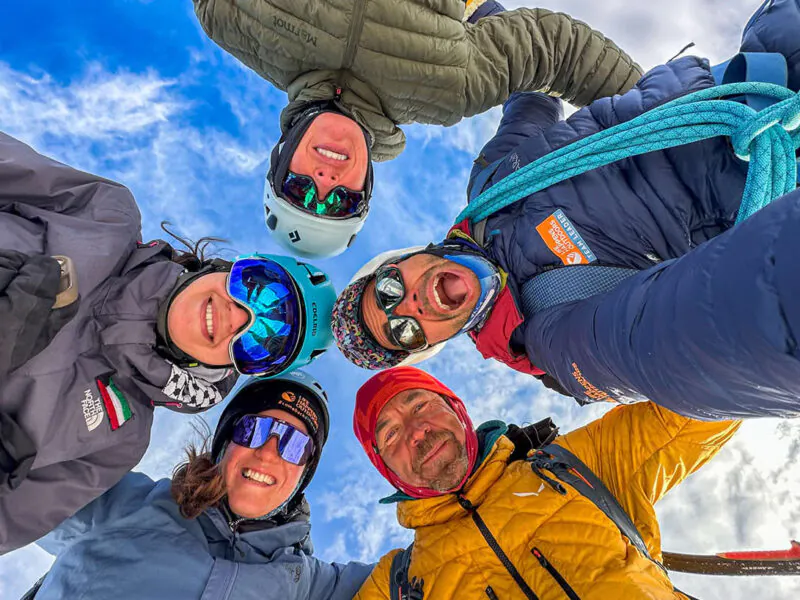
CLIMBING MONT BLANC
Climbing Mont Blanc is one of the most iconic mountaineering objectives in Europe. For some, it is a first serious alpine summit. For others, it is the natural next step after years of trekking and climbing. Either way, the mountain asks for respect, preparation, and the right support.
This page brings together everything you need to know about climbing Mont Blanc, from routes and difficulty to training, timing, cost, and how to choose the right guided experience for you.


CLIMBING MONT BLANC: WHAT TO KNOW FIRST
Climbing Mont Blanc is not a simple hike. It is a serious alpine objective shaped by altitude, weather, long summit days, technical terrain, and constant decision making. Many people can get fit enough to attempt the mountain. Far fewer arrive properly prepared for what the experience actually demands.
Success on Mont Blanc usually comes from the right preparation, the right pacing, the right conditions, and the right judgement on the day. Ambition helps, but it is not what gets most people to the summit. Preparation, humility, and support matter more.
IS MONT BLANC RIGHT FOR YOU
Mont Blanc suits people who are fit, committed, and ready for a genuine mountain challenge. You do not need to be an elite climber, but you do need strong endurance, calm decision making, and the willingness to prepare properly.
For some people, Mont Blanc is the right next step now. For others, a preparatory alpine climb, a skills course, or a stronger training block will create a much better experience and a stronger chance of success. The right choice depends on your fitness, your experience, your confidence on exposed ground, and how honestly you assess where you are now.
If your real question is whether Mont Blanc can be your first serious alpine objective, read our guide to climbing Mont Blanc as a beginner.
If you are still assessing readiness, read our article on how hard it is to climb Mont Blanc.
Read how hard it is to climb Mont Blanc

MONT BLANC TIMELINE AND DURATION
Most people should think of Mont Blanc as a multi day alpine objective, not a single summit push. The summit ascent may take place over two or three mountain days, but a realistic plan also accounts for acclimatisation, skills practice, weather flexibility, and hut logistics. For a full breakdown of two day, three day, five day, and eight day timelines, read our guide to how long it takes to climb Mont Blanc.


BEST TIME TO CLIMB MONT BLANC
The main Mont Blanc climbing season usually sits in the summer alpine window, but the best timing depends on snow conditions, hut access, weather stability, route choice, and safety considerations. A good plan is not built around a calendar date alone. It is built around conditions, acclimatisation, and guide judgement.
MONT BLANC ROUTES EXPLAINED
Route choice is one of the most important parts of climbing Mont Blanc. The right route depends on conditions, timing, team ability, and how the mountain is behaving at the time of your climb.
The Goûter Route
The Goûter Route is the most common route for climbing Mont Blanc. It is often treated as the standard option, but that can be misleading. It still involves altitude, glacier travel, long summit hours, and serious mountain terrain. For many climbers, it is the most realistic route to the summit when conditions line up well. It is the best known route, not an easy route.
The Three Monts Route
The Three Monts Route is often seen as the more aesthetic and more committing line. It can feel more direct and more alpine, but it usually demands stronger conditions and greater confidence on steep terrain. It is not simply a harder version of the Goûter Route. It is a different experience with different demands, and it requires the right team and the right mountain window.
The Pope Route via Rifugio Gonella / Italian Normal Route
The Pope Route, often referred to as the Italian Normal Route or the Gonella Route, approaches Mont Blanc from the Italian side and offers a quieter, more committing feel. It is less commonly used than the Goûter Route and is often shaped more heavily by conditions, hut logistics, and team readiness. For the right climber in the right window, it can offer a more distinctive alpine experience, but it is not usually the first route most people should build around.
Which Route Is Right for You
Most climbers should not begin with a fixed route preference. They should begin with readiness, conditions, and guide advice. The best route for climbing Mont Blanc is the one that matches the mountain and the team on the day. Good guiding is not about forcing a plan. It is about adapting the plan to the mountain. For the right climber in the right window, it can offer a more distinctive alpine experience, but it is not usually the first route most people should build around. For a deeper route by route comparison, including the Goûter Route, Three Monts Route, and Italian options, read our guide to the best Mont Blanc routes.


HOW HARD IS IT TO CLIMB MONT BLANC
One of the biggest misconceptions around Mont Blanc is that it is simply a fit person’s mountain. Fitness matters, but so do altitude, exposure, fatigue, weather, timing, and how confidently you move in an alpine environment.
Climbing Mont Blanc is hard because it combines physical effort with technical mountain realities. Summit day is long. Conditions can change. Small weaknesses become more obvious higher on the mountain. That is why strong preparation and sound judgement matter as much as raw determination.
For the right person, climbing Mont Blanc is absolutely achievable. But it should be approached with respect, not with assumptions.
How to Prepare for Mont Blanc
Preparation for Mont Blanc should begin long before you arrive in Chamonix. The mountain rewards consistency, not panic training at the last minute.
Fitness and Endurance
You need the ability to move uphill steadily for long periods, recover well, and stay strong late into summit day. Aerobic conditioning, hiking fitness, pack carrying, and consistent endurance work all matter.
Mountain Confidence
Preparation is not only physical. Confidence with steep ground, crampons, boots, and changing mountain conditions all shape how calm and capable you feel.
Kit and Readiness
Your boots, layers, gloves, and pack all matter. So does knowing how to use them well. Good preparation is not just about having the right gear. It is about arriving with a system that feels familiar and dependable. When people arrive prepared, confidence rises and avoidable stress drops.
Explore the Full Mont Blanc Kit List
See the full Mont Blanc climbing gear list

HOW MUCH DOES IT COST TO CLIMB MONT BLANC
The cost of climbing Mont Blanc includes more than guide fees. A realistic budget can include huts, lifts, accommodation, equipment hire, travel, insurance, and preparation costs.
Guided support often costs more than trying to piece a trip together yourself, but it also changes the quality of the experience. The real question is not only what climbing Mont Blanc costs, but what kind of structure, logistics, and support you want that cost to deliver.
For many people, the value lies in clarity, pacing, decision making, and a better overall experience on the mountain.
Guided Climb or Independent Attempt
For most people, the question is not whether climbing Mont Blanc is possible without a guide. It is whether doing so gives them the best chance of a safe, well run, and meaningful experience.
A guided climb brings route judgement, pacing, support, mountain decision making, and a steadier structure around the summit attempt. That changes the quality of the whole experience. It also reduces the pressure on individuals to make difficult decisions in an environment where mistakes can escalate quickly.
An independent attempt may look simpler on paper. In reality, Mont Blanc usually rewards people who surround themselves with the right level of support.
For a fair comparison of guided and unguided attempts, read our full guide to whether you need a guide to climb Mont Blanc.


MONT BLANC HUTS, LOGISTICS & TRIP FLOW
Climbing Mont Blanc is shaped as much by logistics as by fitness. Chamonix is usually the natural base, and most summit programmes involve accommodation changes, equipment checks, movement to altitude, hut nights, and careful timing around conditions.
The hut system is part of what makes Mont Blanc feel distinctly alpine. It also means timing, organisation, and calm transitions matter. Good logistics do not remove the challenge of the mountain, but they do make the whole experience feel more coherent.


OUR APPROACH TO CLIMBING MONT BLANC
At Life Happens Outdoors, we believe climbing Mont Blanc should feel serious, well supported, and well paced.
Professional guides lead the technical mountain elements. Life Happens Outdoors Team Leaders support communication, rhythm, and care around the wider experience. We prepare people properly, set a pace that fits the objective and the team, and handle the key logistics so joiners can focus on the climb itself.
For us, premium support is not about polish for its own sake. It is about creating a mountain experience that feels calm, coherent, and well held from start to finish.
You can also read more about our Safety and Standards across Life Happens Outdoors trips.
Mont Blanc Guides and Advice
CHOOSE THE RIGHT MONT BLANC PATHWAY
Not everyone should approach Mont Blanc in the same way. Some people are ready for a summit attempt now. Some need a stronger training block first. Some would benefit from gaining more alpine experience before taking on the mountain.
The right path depends on where you are, not just where you want to get to. If Mont Blanc is on your mind, the smartest next step is to choose the version of the journey that matches your current readiness and gives you the best chance of a meaningful and well supported experience.
BOOK A FREE CALL WITH YOUR MONT BLANC CLIMBING SPECIALIST
BOOK A CALLMont Blanc Climb FAQs
Can beginners climb Mont Blanc?
Some people attempt Mont Blanc as their first major summit, but that does not make it a beginner mountain in the normal sense. It is better approached as a serious objective that rewards strong preparation and honest self assessment.
How fit do you need to be to climb Mont Blanc?
You need good endurance, the ability to move steadily uphill for long periods, and the resilience to cope well with altitude and fatigue. Fitness is essential, but it is not the only factor.
What is the best route to climb Mont Blanc?
The best time depends on the objective and the conditions in that season. Many classic alpine climbs are attempted in summer, but every mountain and route has its own timing and ideal window.
When is the best time to climb Mont Blanc?
The main season is in summer, but the best time depends on weather stability and route condition rather than a simple calendar answer.
How much does it cost to climb Mont Blanc?
The cost varies depending on guiding, huts, lifts, accommodation, gear, and the overall structure of the trip
Do you need a guide to climb Mont Blanc?
Not everyone is required to have a guide, but many climbers are far better served by one. A guide changes the quality of decisions, pacing, safety, and the overall flow of the climb.
How long does climbing Mont Blanc take?
That depends on the programme, the route, the acclimatisation built into the trip, and the weather. Most guided experiences are built over multiple days rather than a single push.