




BY Rami Rasamny | January 02 2026
Can a Beginner Climb Kilimanjaro?


Rami Rasamny
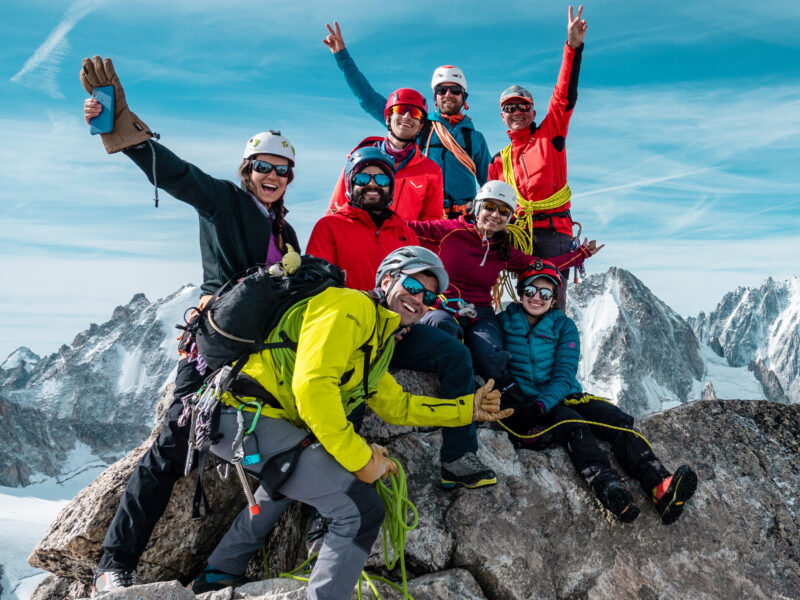
It is one of the most searched questions in adventure travel, and for good reason. Kilimanjaro is the highest peak in Africa, it sits at serious altitude, and it carries a big emotional weight around it. Yet every season, plenty of first timers make it to the summit.
The honest answer is yes, a beginner can climb Kilimanjaro. But only if you treat it with respect, choose the right route, and give yourself time to acclimatise.
Before you scroll further, watch the video that inspired this guide. It breaks down the beginner reality clearly and calmly.
If you want the full deep dive on routes, costs, training, and the best time to go, you can find our more in our main Kilimanjaro guide.
And if you are ready to see upcoming dates and what is included in the full Life Happens Outdoors experience, here is the place to do it.
What makes Kilimanjaro beginner friendly
Kilimanjaro is often described as beginner friendly because it is a trek, not a technical climb on the normal trekking routes. You do not need rock climbing skills, ropes, or mountaineering experience to attempt it with a good team.
That said, beginner friendly does not mean easy.
Kilimanjaro is physically demanding because of long trekking days, cumulative fatigue, and a summit push that usually starts at night. It is also mentally demanding because altitude can make you feel slower, sleep can be disrupted, and summit day tests patience and grit.
So when people ask can a beginner climb Kilimanjaro, what they really mean is this
Can I do it safely, with good preparation, and still enjoy the journey?
Yes, you can.
The real challenge is altitude, not technical difficulty
Most beginners assume the hard part is steep terrain or technical climbing. On Kilimanjaro, the true challenge is altitude.
Altitude affects everyone differently. Two people with the same fitness can respond in completely different ways. This is why your route choice and your pacing matter so much.
A beginner can succeed on Kilimanjaro when they do three things well
1 Choose a route that gives time to acclimatise
2 Walk slowly enough to let the body adapt
3 Travel with a team that takes health, pacing, and decision making seriously
What success actually looks like on the mountain
Success is not only a summit photo.
Success is reaching the summit responsibly, then coming down safely, with your health intact, and with a positive experience of the mountain.
A strong operator will measure success by
How you acclimatise day by day
How you recover between trekking days
How your breathing and energy feel on summit day
Whether the team makes calm decisions when conditions shift
This is why mental preparation matters as much as physical training. Your body can often do more than your mind believes, especially when you are tired, cold, and walking in the dark.
Do you need previous trekking or climbing experience
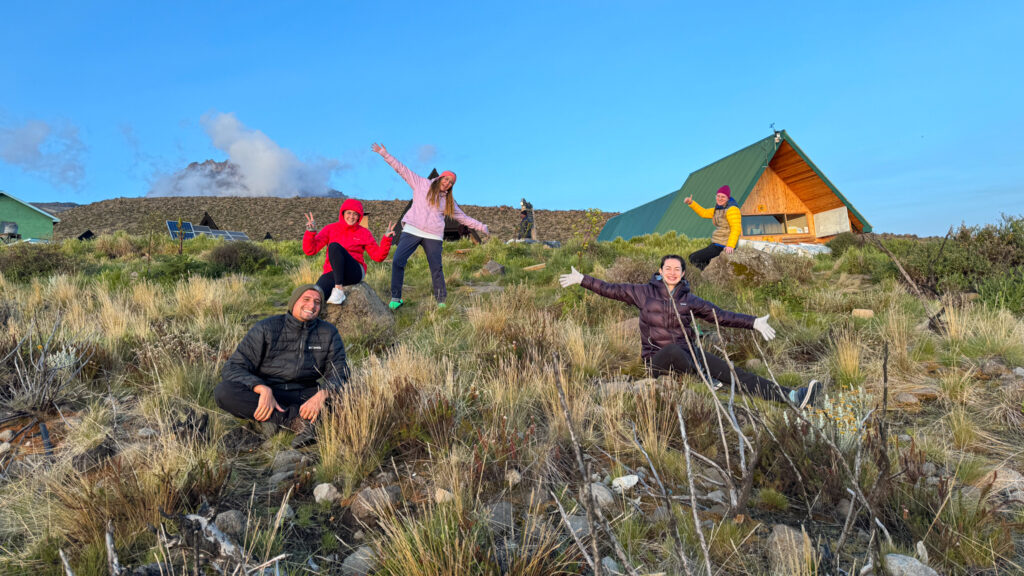
You do not need climbing experience for the standard trekking routes.
Trekking experience helps, because it builds comfort with long days, a steady rhythm, and managing little discomforts. But you can be a true beginner and still do Kilimanjaro if you prepare properly and choose the right structure.
If you are brand new to multi day trekking, focus your training on three things
Time on feet
Consistency week to week
Comfort walking uphill for hours at a steady pace
How to choose the best Kilimanjaro route for beginners
For beginners, the best route is usually the one that gives you more acclimatisation time.
In simple terms, more days on the mountain usually means a better chance for your body to adapt. It also means you are less likely to feel rushed, and more likely to enjoy the landscapes and the rhythm of the journey.
Some routes are popular because they are scenic. Some because they are logistically simple. Some because they are shorter. Shorter is not always better for beginners.
If you want the route by route breakdown, with the real trade offs, use our definitive guide here.
The support team matters more than most beginners realise
A beginner can thrive on Kilimanjaro with the right support.
Your mountain crew sets the tone. They control pacing. They monitor how you are adapting. They notice subtle changes in energy, appetite, and breathing before you do. They create calm, consistent structure when the mountain starts to feel big.
A good team also does the unglamorous work properly
Hygiene and food standards
Hydration reminders
Health checks when needed
Clear briefings so you understand what is coming next
A summit night plan that matches your pace, not someone else’s ego
If you are comparing operators, do not only compare price. Compare the quality of the crew, the route duration, and the overall structure designed for safe acclimatisation.
How to train for Kilimanjaro as a beginner
You do not need to become an athlete. You do need to become consistent.
Your training goal is simple
Build the ability to walk for hours, several days in a row, without breaking down
A practical beginner training focus looks like this
1 Weekly hikes that gradually increase in duration
2 Stair or hill sessions to build uphill endurance
3 Strength work for legs and core, even two short sessions per week helps
4 Practice with the boots and daypack you will use on the mountain
5 If possible, add one or two long back to back hiking days to simulate the multi day feel
Mental preparation is part of training too
Practice steady pacing when you feel bored
Practice continuing when you feel slightly uncomfortable
Practice focusing on the next small checkpoint, not the entire mountain
What beginners should know about summit night
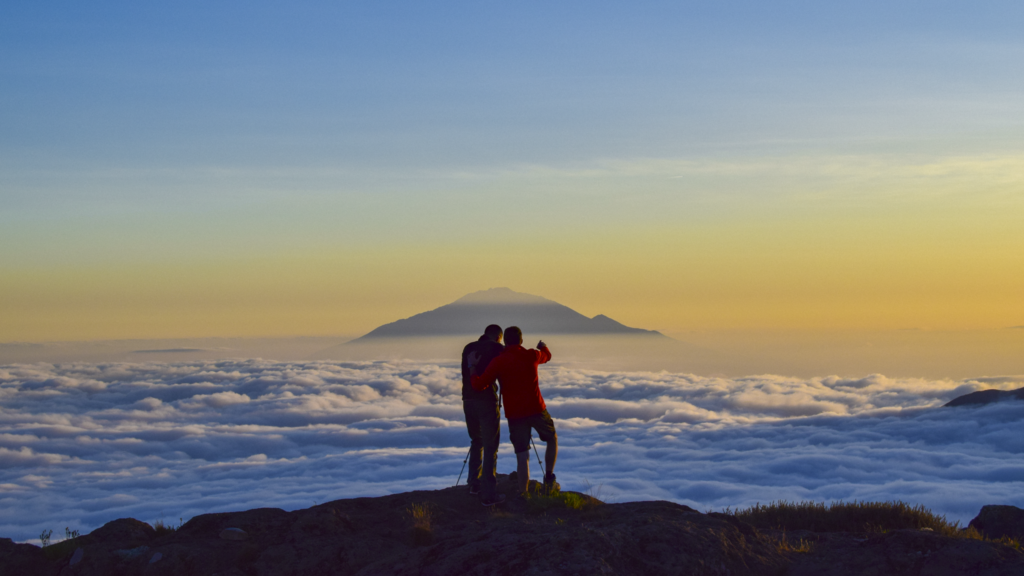
Summit night is the moment everyone talks about, and it is usually the hardest part for beginners.
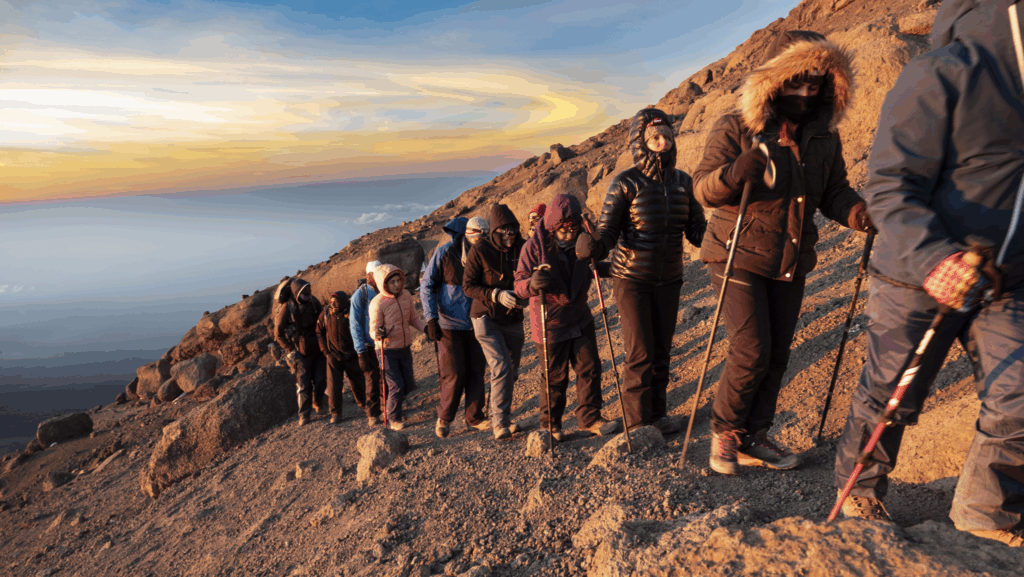
It is cold. It is slow. It is dark. It can feel like progress is tiny. This is where beginners often doubt themselves.
The key is pacing and patience.
Most people who succeed on summit night do not push harder. They slow down, breathe, and commit to a steady rhythm. The mountain rewards calm persistence.
If your team sets expectations properly and supports you well, summit night becomes challenging, but not chaotic.
Best time of year for a beginner to climb Kilimanjaro
Kilimanjaro can be climbed year round, but conditions vary by season.
For beginners, the best window is usually when trails are more stable and the weather is more predictable. That does not guarantee perfect conditions, but it often improves comfort and confidence.
For a detailed month by month breakdown, see our full Kilimanjaro guide.
Common beginner mistakes, and how to avoid them
1 Choosing the shortest route to save money
Short routes can reduce acclimatisation time and increase the chance of altitude issues. A longer, well structured route is often the smarter beginner choice.
2 Treating it like a fitness race
Going too fast is one of the biggest reasons people struggle. Slow is professional on Kilimanjaro.
3 Training hard but not training long
A beginner can be strong in the gym and still struggle with long days on foot. Train for duration, not only intensity.
4 Underestimating recovery
Sleep, hydration, and nutrition matter. Learn to eat even when appetite drops. Drink even when you do not feel thirsty.
5 Ignoring early altitude signals
Headache, nausea, dizziness, and unusual fatigue are signals. A good team will take them seriously and adjust.
Frequently asked questions
Can a beginner climb Kilimanjaro without any trekking experience?
Yes, but you should train properly beforehand, choose a route with good acclimatisation, and go with a strong support team.
Is Kilimanjaro safe for beginners?
It can be safe when approached with the right route duration, pacing, and a team that prioritises health and decision making. The biggest risk factor is ignoring altitude and pushing when the body is not adapting.
Do you need climbing gear for Kilimanjaro?
For standard trekking routes, you do not need technical climbing gear. You do need proper trekking kit, warm layers, and the right footwear. Your operator should give you a detailed kit list.
Is Kilimanjaro harder than people expect
For many beginners, yes, because of altitude and summit night. Most people underestimate how slow and cold summit night can feel, and how important pacing is.
How fit do I need to be?
Fit enough to walk for hours day after day. You do not need to be fast. You need endurance and consistency.
A closing note from Life Happens Outdoors
We love Kilimanjaro because it is a doorway. It takes people who have never seen themselves as mountain people and shows them what is possible.
A beginner can climb Kilimanjaro, and many do. The secret is not bravado. It is preparation, pacing, and the right structure around you.
If you want the complete route, cost, training and timing guide, start here.

About The Author
Rami Rasamny is the founder of Life Happens Outdoors, a premium adventure travel community dedicated to transforming lives through curated outdoor experiences. A mountaineer and entrepreneur, Rami has led teams on some of the world’s most challenging peaks, from the Alps to the Himalayas. His mission is to make adventure accessible, transformative, and safe for all who seek to push their limits and Come Back Different.
About Life Happens Outdoors
At Life Happens Outdoors, we believe in the power of nature to transform lives. As proud members of the Adventure Travel Trade Association (ATTA) and the World Travel & Tourism Council (WTTC), our team of certified guides and outdoor professionals is committed to the highest standards of safety, sustainability, and excellence.
Discover more about our story and mission on our Meet LHO page, or explore our curated adventures such as the Tour du Mont Blanc Trek, the Climb of Kilimanjaro, and Chasing the Northern Lights.